
Fear, pressure, and misinformation often drive families to search for how to get rid of autism, especially after hearing a diagnosis that feels overwhelming and isolating. Across Africa, many parents face blame, stigma, and financial loss while chasing unsafe promises of cures. Scientific evidence tells a different story. Autism is not a disease and cannot be cured. Autism is a lifelong neurodevelopmental condition linked to genetics and early brain development. According to the World Health Organization (WHO), autism affects about 1 in 100 children globally, cutting across culture, income, and geography. Despite this clarity, myths continue to harm families, delay support, and expose children to unproven and sometimes dangerous treatments.
Confusion grows when families receive mixed messages from society, social media, and even well-meaning people. Many caregivers struggle silently while asking difficult questions such as:
- Is it possible to remove autism completely?
- Do therapies actually work or just manage symptoms?
- Are special diets, prayers, or alternative treatments effective?
- How can a child live a full life without a cure?
- What support truly helps autistic individuals thrive?
This page exists to bring clarity and peace of mind. Africa Autism Alliance explains what science truly says about autism, why cures do not exist, and what treatment limitations really mean. Visitors will learn how evidence-based therapies, early intervention, education, and inclusive environments support development, independence, and well-being. Through trusted information, advocacy, and community education, we help families move from fear to confidence, building understanding, dignity, and inclusion for autistic individuals across Africa.
Talk to a Health SpecialistCan Autism Be Cured? What Science Clearly Says
Autism Spectrum Disorder (ASD) has no cure. Autism is a neurodevelopmental condition, meaning it relates to how the brain develops and works from early life. Research shows autism begins before birth and is strongly linked to genetics and early brain development, not something that appears later and can be removed. The World Health Organization (WHO) explains that autism affects how people communicate, interact, and process the world, and these traits remain across a lifetime, even though support can greatly improve daily functioning.
Scientific studies also show that improvement does not mean autism disappears. Progress happens when the right support helps an autistic person build skills, manage challenges, and live well. This is why trusted organizations like Africa Autism Alliance focus on education, inclusion, and evidence-based support instead of false cure promises.

Why There Is No Medical Cure for Autism
Autism has no medical cure because it is not a disease caused by infection or damage that medicine can reverse. Autism reflects natural differences in brain wiring and development. According to the U.S. Centers for Disease Control and Prevention (CDC), autism involves multiple genes and biological factors, which explains why no single treatment can eliminate it.
Science highlights these key facts:
- Autism starts during early brain development, often before birth
- Genetics play a major role, with hundreds of genes involved
- Brain differences cannot be “removed” with medicine or surgery
The table below explains the difference clearly:
|
Topic |
Scientific Reality |
|
Autism |
Neurodevelopmental condition |
|
Cure |
Does not exist |
|
Treatment goal |
Support, skills, and quality of life |
So when people ask how to get rid of autism, science redirects the focus toward support, early intervention, and inclusion. Hence, we help families and institutions understand this truth, replacing fear with facts and building environments where autistic individuals can thrive with dignity and confidence.

Why Many Families Search for How to Get Rid of Autism
Many families begin searching for how to get rid of autism soon after a diagnosis, often from a place of fear, confusion, and emotional pain. A new diagnosis can feel overwhelming, especially when parents notice delayed speech, social struggles, sensory overload, or challenging behaviors. Social pressure, stigma, and misinformation also add to the burden, making families feel they must “fix” something quickly.
In addition, misleading claims online promise instant cures, miracle drugs, or special diets. These messages spread fast and target vulnerable families who only want their child to live safely, happily, and independently. However, science explains that autism is not something that appeared due to a mistake or poor care. The World Health Organization (WHO) confirms autism begins early in life and continues across adulthood, although support can greatly improve daily functioning.
Understanding this truth helps families shift focus from trying to remove autism to learning how to support growth, confidence, and inclusion.

Medication and Autism: What It Helps and What It Cannot Do
Medication often becomes part of the conversation when families search for how to get rid of autism, but science sets clear limits. Medicine does not cure autism and does not change core traits such as communication differences or social processing.
Medication can help manage specific symptoms:
- Severe irritability or aggression
- Anxiety or depression
- Hyperactivity or attention challenges
According to the U.S. Food and Drug Administration (FDA), only risperidone and aripiprazole are approved to treat irritability linked to autism, not autism itself.
|
Medication Role |
What It Can Do |
What It Cannot Do |
|
Symptom support |
Reduce anxiety or aggression |
Remove autism |
|
Behavior support |
Improve daily stability |
Change brain development |
Medication works best when combined with therapy and professional guidance.
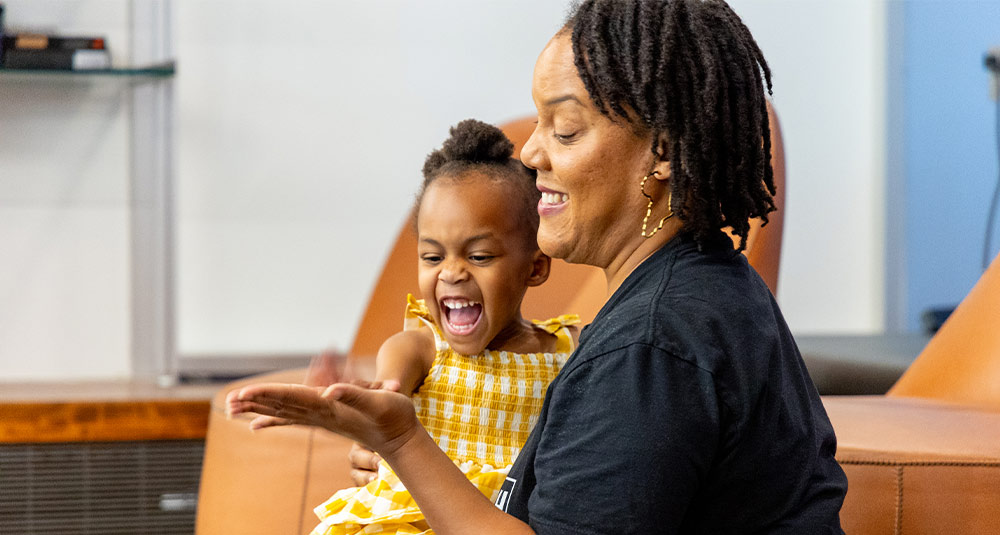
Evidence-Based Treatments That Support Autistic Individuals
Science shows real progress happens through evidence-based support, not cures. These approaches help individuals build skills, independence, and confidence over time.
Proven treatments include:
- Applied Behavior Analysis (ABA) to strengthen communication and daily skills
- Speech and language therapy to support expression and understanding
- Occupational therapy to improve sensory regulation and daily living
- Family-based education to create supportive home environments
The Centers for Disease Control and Prevention (CDC) confirms early intervention improves learning, behavior, and social outcomes.
Africa Autism Alliance promotes these proven approaches across Africa, guiding families, schools, and institutions away from harmful myths and toward practical, respectful, and science-backed support that truly changes lives.
Talk to usFrequently Asked Questions About How to Get Rid of Autism
Can autism really be cured or removed?
Science clearly shows autism cannot be cured or removed. Autism is a lifelong neurodevelopmental condition, not an illness that can be taken away. Research from the Centers for Disease Control and Prevention (CDC) explains autism affects brain development and continues across the lifespan, even though support can improve skills and quality of life.
Do diets, supplements, or detox programs cure autism?
No scientific evidence supports diets, supplements, detoxes, or herbal products as a cure for autism. The National Institute of Mental Health (NIMH) warns that unproven treatments can be harmful and delay proper support.
Does early intervention mean autism goes away?
Early intervention does not remove autism, but it helps children build communication, social, and daily living skills. Studies show children who receive early therapy often achieve better long-term outcomes in learning and independence.
Is there hope for autistic individuals to live fulfilling lives?
Yes. With the right support, many autistic individuals succeed in school, work, relationships, and community life. Progress comes from understanding, not curing.