
Let’s talk honestly for a moment...
In many African homes, when a child behaves differently, we try to explain it in ways that make sense to us. We might say the child is stubborn, rude, rebellious, or not listening. Sometimes people even whisper that the child is cursed or that something spiritual is wrong.
I want to say this gently and with respect: autism is not a curse.
When Behaviour Is Misunderstood
As a teacher who works closely with autistic children, I see how often they are misunderstood, and this is not because parents don’t care, but because autism is still unfamiliar to many of us.
When an autistic child doesn’t respond when you call them, avoids eye
contact, repeats words, or has big emotional reactions, it’s easy to think they are being difficult or naughty on purpose. But most of the time, that
behaviour is their way of coping with a world that feels overwhelming to them.
 Top 10 African Autism Friendly Foods
“They Don’t Listen” – What’s Really Happening
Many autistic children struggle with communication. Others struggle with
loud noises, busy spaces, or sudden changes. So when they “don’t listen,” it’s often because they are overloaded, confused, or anxious not because they
are disrespectful.
In the classroom, I’ve seen children labelled as naughty; because they had
their ears covered with their hands, or they would they would run out of the class without saying anything to get to the toilet because they struggle with communication, when what they really needed was understanding and supportive strategies.
 What Foods to Avoid With Autism | Autism Safe Foods
How Our Culture Shapes Our Response
Our culture often teaches us that children must obey immediately and show respect at all times. However children on the spectrum do not respond well to shouting, punishment or even just fear.
They respond best to patience, routine, calm explanations, and consistency. When children feel safe, their behaviour begins to change.
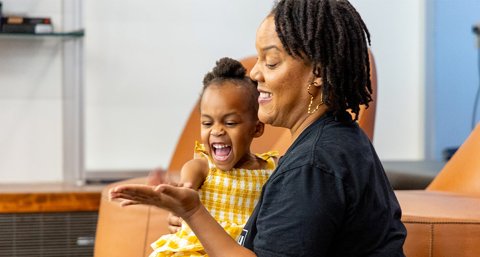 Autism Gut Healing | Understanding Gut Health and Autism
What Autism Is, and What It Is Not
This is important to say clearly:
Autism is not caused by bad parenting. It is not a curse.
It is not a spiritual punishment.
Autism is a neurological difference. In other words, the way a child’s brain works.
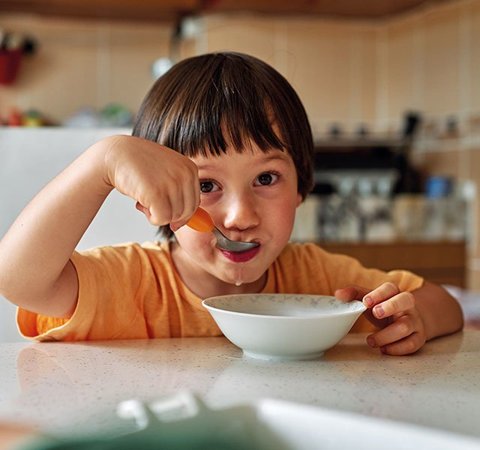 What Foods Are Good for Autism | Autism Diet
A Question That Changes Everything
One of the most powerful shifts happens when families stop asking, “Why is my child behaving like this?”
and start asking,
“What is my child trying to communicate?”
That one question opens the door to understanding instead of conflict.
A Gentle Closing Thought
Autistic children are part of our families, our schools, and our communities. They are not broken, and they do not need to be fixed.
They need patience. They need understanding. And most of all, they need love.
When we replace fear with knowledge and judgement with compassion, we give our children the chance to thrive, just as they are.