Autism education remains a major challenge for many families and schools across Africa, where awareness is growing, but practical support is still limited. According to the Centers for Disease Control and Prevention, about 1 in 36 children has been identified with autism in recent studies. Despite this rising number, many African classrooms are not equipped with the right tools, trained teachers, or inclusive systems to support these children. As a result, many children with autism struggle silently, unable to communicate effectively, misunderstood by teachers, and often excluded from meaningful learning. Parents face confusion, emotional stress, and financial pressure while trying to find the right support, and educators are left without clear strategies to help.
So, what truly works when it comes to autism education?
- How can teachers support children with autism in a regular classroom?
- What simple teaching strategies improve communication and focus?
- How can parents support learning at home without special training?
- What makes an environment safe and effective for children with autism?
These are the everyday concerns of families and educators across Africa.
This page breaks down practical, proven strategies that make autism education more effective and inclusive. With support from us, you will discover simple teaching methods, structured approaches, and real-life solutions that work in African settings. More importantly, it guides you from uncertainty to confidence, helping every child learn in a way that respects their unique abilities and potential.
Core Principles of Effective Autism Education
Effective autism education begins with a foundation that respects how children with autism learn and interact with the world. These core principles help create an environment where every child feels safe, supported, and ready to learn.
 Autism Indicators in Infants: Early Signs Parents Should Know
#1. Calm and Positive Learning Environment
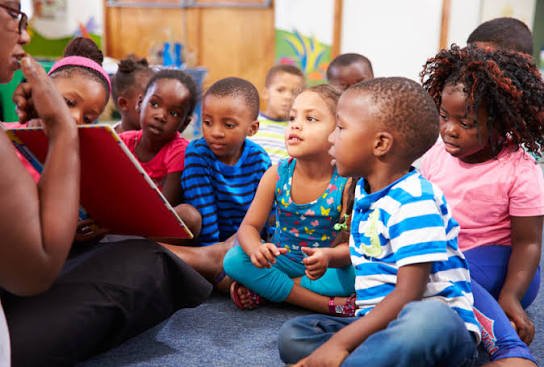
Children with autism often react strongly to stress or sudden changes. A calm, predictable space helps reduce anxiety and encourages focus. Soft lighting, quiet reading corners, and a gentle classroom tone help learners stay comfortable.
#2. Knowing Each Child’s Strengths and Needs
Every child is unique. Understanding what each learner likes, struggles with, and responds well to is essential. Tools like “About Me” sheets help teachers learn important information about a child’s interests, fears, and communication style. This personalised approach makes autism education more meaningful and effective.
#3. Clear Routines and Structured Learning
Routine gives children a sense of safety and control. Children with autism understand what is expected when they know the schedule ahead of time. Visual schedules, simple daily routines, and clear instructions reduce confusion and make learning easier. This approach is aligned with inclusive education principles promoted by the United Nations Convention on the Rights of Persons with Disabilities, which supports equal access to education for children with disabilities.
 Can a Dog Have Autism? Animal Behavior Explained
Teaching Strategies That Work in Autism Education
Strong autism education uses a range of strategies that help children connect, communicate, and learn. These methods are flexible and can be adapted to each child’s needs.
#1. Visual Supports and Structured Schedules
Use pictures, icons, and charts to represent daily activities. Visual tools help children understand what comes next, reduce anxiety, and make tasks easier to follow.
#2. Special Interests Integration
Children learn best when they are engaged. Tap into a child’s favorite topics—like animals or music, to teach lessons. This increases motivation and makes learning fun.
#3. Sensory Tools for Focus
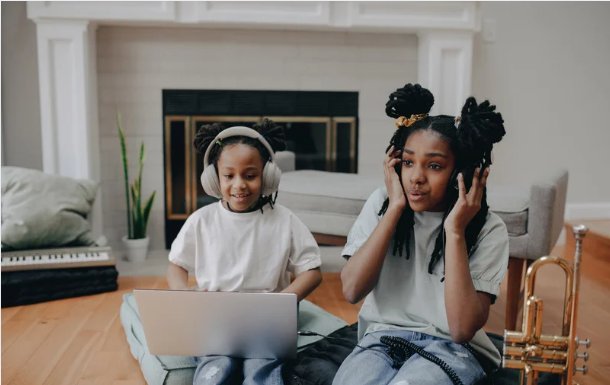
Many children with autism have sensory needs. Tools like stress balls, weighted cushions, or noise-canceling headphones help students stay calm and focused during lessons.
 Best Jobs for Adults With Autism: Skills-Based Career Paths
#4. Task Simplification
Large or complex instructions can confuse learners. Break tasks into smaller, clear steps that children can follow one task at a time.
#5. Modeling, Imitation, and Play-Based Learning
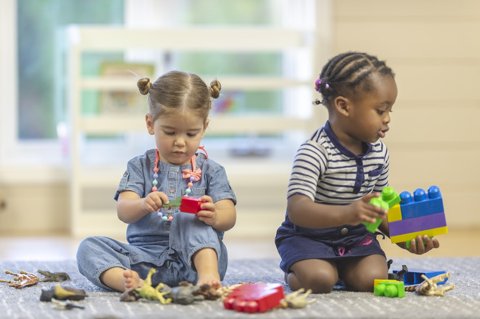
Children learn social and communication skills when adults demonstrate them. Show how to take turns, talk with others, and solve problems. Play activities help make learning natural and enjoyable.
#6. Positive Reinforcement and Rewards
Praise specific behaviors when students try hard. Reward systems like sticker charts encourage good habits and help children feel proud of their progress.
#7. Social Skills Practice and Peer Interaction
Include activities that help students engage with classmates. Small groups, structured games, and peer buddies support cooperation and friendship skills.
 Behavior Treatment for Autism: Effective Evidence-Based Methods
Evidence-Based Programs in Autism Education
Some tried-and-tested programs support strong autism education. These programs have been shaped by research and real classroom success.
#1. Incredible Years (IY) Teacher Autism Program
This program helps teachers build strategies that promote language, social skills, self-regulation, and emotional understanding. It guides teachers in adapting lessons to meet children’s needs.
#2. Structured Teaching (TEACCH)
TEACCH focuses on clear organization, visual supports, and routines. It helps children learn skills step-by-step and supports independence. Teachers use structured environments to reduce anxiety and improve engagement.
#3. Applied Behavior Analysis (ABA)
ABA uses positive reinforcement to build helpful behaviors and reduce challenges. Many schools and therapists use ABA principles to improve communication, focus, and social skills. Research shows that long-term, consistent ABA can lead to better outcomes for many children with autism.
 Autism With PDA: Signs, Challenges, and Support Options
Individualized Approaches: IEPs and Personalized Learning
One of the most powerful tools for this is an Individualized Education Plan (IEP). An IEP is a written plan that outlines specific learning goals, teaching strategies, accommodations, and services a child will receive at school.
What an IEP Includes
| Component | What It Means |
|---|---|
| Strengths & Needs | What the child does well and where they need help |
| Learning Goals | Clear, measurable targets for the school year |
| Support Services | Speech therapy, occupational therapy, behavior support, etc. |
| Accommodations | Tools or changes that help learning (visual aids, extra time) |
| Progress Tracking | How the child’s growth will be checked over time |
Creating an IEP should be a team effort. Parents, teachers, school leaders, and therapists work together to make sure the plan fits the child’s learning style. This collaborative approach is supported in many countries by inclusive education laws like the United Nations Convention on the Rights of Persons with Disabilities, which calls for equal access to quality education.
Personalized learning means choosing teaching strategies that match each child’s interests, strengths, and pace of learning. This ensures that autism education is meaningful, effective, and respectful of each learner’s individuality. We can help schools and families develop and implement these personalized approaches.
 Why Good Nutrition Must Be the Foundation
Preparing Students for Transitions and Sensory Challenges
Children with autism can find sudden changes and sensory experiences overwhelming. Smooth transitions and sensory-friendly environments make learning more accessible and reduce anxiety.
Tips for Handling Transitions
- Use Visual Warnings: Pictures or timers that show what comes next.
- Give Advance Notice: Notify students ahead of changes like recess or assembly.
- Practice New Routines: Role-play or walk through changes before they happen.
Managing Sensory Challenges
Children may be more sensitive to sound, light, or touch. Sensory challenges can impact focus and learning.
| Sensory Challenge | Helpful Support |
|---|---|
| Loud noises | Noise-canceling headphones |
| Bright lights | Soft lighting or shaded areas |
| Crowded spaces | Quiet corners or alternative seating |
| Fidgeting | Stress balls or sensory toys |
These supports help students feel safe, calm, and ready to participate. Schools and parents working together can design environments that reduce sensory stress and help children stay engaged.
 What Foods Are Good for Autism | Autism Diet
Monitoring Progress and Adjusting Teaching Strategies
Strong autism education requires regular review. No plan works forever without checking whether it’s helping the child grow.
Tracking Progress
- Record Observations: Notes on social skills, communication, and task completion.
- Check Goals: Compare progress against the child’s IEP goals.
- Teacher Meetings: Regular reviews with parents and specialists.
Adjusting Strategies
When something is not working, teachers and caregivers should adapt:
- Change the teaching approach
- Add visual supports or tools
- Modify tasks to match the child’s pace
- Try new strategies based on the child’s reactions
Monitoring and adjustment help ensure every child gets the most out of their learning experience. Using simple charts, check-ins, and team discussions keeps everyone informed and focused on improvement.
Autism education works best when learning is personalized, environments are supportive, and progress is regularly checked. With strong planning and teamwork, every child can grow with confidence and success. The Africa Autism Alliance supports educators and families with guidance, tools, and training to make these approaches successful in African classrooms and homes.