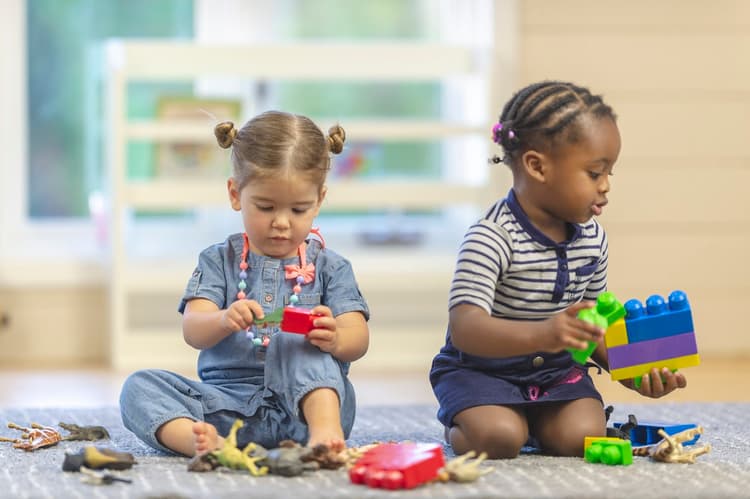
Recognizing autism indicators in infants can feel confusing and even frightening for many parents, especially when the signs are subtle and often misunderstood. Across the world, about 1 in 100 children is identified with autism, according to the World Health Organization (WHO). Yet, in many African communities, early signs are missed or explained away due to lack of awareness, cultural beliefs, or limited access to specialists. As a result, many children do not get early support, leading to delays in communication, social development, and learning. Parents often struggle with worry, denial, or even blame while trying to understand what their child is going through without clear guidance.
So, what should you really look out for as a parent?
- Is it normal if my baby avoids eye contact or doesn’t respond to their name?
- Why does my infant seem unusually quiet or not babble like others?
- Could repeated movements or lack of facial expressions mean something serious?
- When should I stop waiting and start seeking help?
These are real questions many African parents ask, often too late.
This page is designed to guide you through the early autism indicators in infants with clarity and confidence. Through the support of the Africa Autism Alliance, you will learn how to identify early signs, understand what they mean, and take practical steps toward support and intervention. More importantly, it helps you move from fear and uncertainty to awareness and action, because early understanding can change a child’s future.
Common Autism Indicators in Infants (0–12 Months)
Understanding autism indicators in infants during the first year helps parents act early and seek the right support. These signs are not a diagnosis, but they can show when a child may need professional attention. Health bodies like the World Health Organization (WHO) encourage early monitoring of developmental milestones.
Autism Indicators in Infants (0–3 Months)
|
Area |
Possible Signs |
|
Eye Contact |
Rarely looks at faces or follows objects |
|
Sounds |
Overreacts or shows little response to noise |
|
Expression |
Limited facial expressions or social smiles |
Autism Indicators in Infants (4–7 Months)
|
Area |
Possible Signs |
|
Communication |
Little or no babbling or laughter |
|
Interaction |
Does not respond to sounds or voices |
|
Movement |
Does not reach or hold objects |
|
Emotion |
Limited emotional reactions |
Autism Indicators in Infants (8–12 Months)
|
Area |
Possible Signs |
|
Social Skills |
Avoids eye contact, does not respond to name |
|
Gestures |
No pointing, waving, or showing objects |
|
Movement |
Delayed crawling or poor balance |
|
Communication |
Limited or unclear sounds |
Parents across Africa are encouraged to trust their observations and seek early guidance. The Africa Autism Alliance supports families with awareness and practical tools to respond early and confidently.

Autism Indicators in Toddlers (12–36 Months)
As children grow, autism indicators often become clearer and easier to notice. At this stage, delays in speech, behavior, and social interaction are more visible.
Common signs include:
- Limited or no speech development
- Difficulty following simple instructions
- Repetitive behaviors (lining up toys, repeating actions)
- Strong attachment to routines and distress with change
- Little interest in playing with other children
- Unusual focus on specific objects
Regular screening is recommended. The American Academy of Pediatrics advises autism screening at 18 and 24 months.
Early support programs, similar to those encouraged under policies like the Individuals with Disabilities Education Act, highlight the importance of early intervention, an approach increasingly promoted in African health systems.

What Causes Autism in Infants?
The exact cause of autism is not fully known. Research shows it is usually linked to a mix of genetic and environmental factors.
Key Factors
- Genetics: Children with a family history of autism may have a higher chance
- Birth Conditions: Premature birth or low birth weight
- Pregnancy Factors: Complications during pregnancy or delivery
Important Clarification
Autism is not caused by vaccines. This myth has been widely disproven by global health authorities, including the Centers for Disease Control and Prevention.
What Parents Should Focus On
Attention should shift from cause to support. Early help improves outcomes and quality of life. Families can rely on organizations like the Africa Autism Alliance for guidance, awareness, and access to inclusive support systems across Africa.

When Should Parents Worry About Autism Indicators in Infants?
Not every delay means autism. Still, certain autism indicators in infants should prompt quick attention, especially when they appear together or continue over time. Early action is strongly encouraged by the World Health Organization (WHO), which highlights the value of early identification.
Key Red Flags to Watch
|
Area |
Warning Signs |
|
Social Response |
No eye contact or social smiling by 3–6 months |
|
Communication |
No babbling or sounds by 9–12 months |
|
Name Response |
Does not respond to name by 9–12 months |
|
Gestures |
No pointing, waving, or showing objects by 12 months |
|
Development |
Loss of skills already learned |
When to Seek Help
- Signs persist for weeks or months
- Multiple delays appear at the same time
- Your instincts tell you something is not right
Early consultation with a health worker, pediatrician, or developmental specialist is important. Across many African countries, child health programs aligned with UNICEF promote early developmental checks.
a href="https://www.africaautismalliance.org/resources/blog/behavior-treatment-for-autism" style="text-decoration: none;">
How Autism Is Diagnosed in Infants and Young Children
Diagnosis focuses on behavior and development, not lab tests. Professionals follow structured screening and evaluation methods.
Screening Timeline
- 18 months: First routine autism screening
- 24 months: Follow-up screening
This recommendation is supported by the American Academy of Pediatrics.
Evaluation Process
Doctors and specialists may use:
- Developmental checklists
- Parent interviews
- Observation of behavior and interaction
- Tools like ADOS (Autism Diagnostic Observation Schedule)
A confirmed diagnosis is made only by trained professionals such as:
- Pediatricians
- Child neurologists
- Developmental specialists
Many African countries are improving access to diagnosis through disability inclusion policies aligned with the United Nations Convention on the Rights of Persons with Disabilities.

What to Do If You Notice Autism Indicators in Infants
Taking action early can make a big difference. Focus should remain on support, not fear.
Immediate Steps for Parents
- Speak to a doctor or child health worker
- Share specific observations and concerns
- Request developmental screening
- Keep track of your child’s behavior and milestones
Why Early Action Matters
Early support can:
- Improve communication skills
- Build social interaction
- Help children adapt to their environment
Services may include:
- Speech and language therapy
- Occupational therapy
- Early learning support
Get the Right Support
Families can connect with trusted organizations like the Africa Autism Alliance for:
- Awareness and guidance
- Training and resources
- Access to inclusive support systems
Frequently Asked Questions About Autism Indicators In Infants
What are the earliest autism indicators in infants?
Early signs may include little eye contact, limited smiling, delayed babbling, and not responding to their name. These signs can appear within the first year but may vary from child to child.
Do autism indicators in infants always mean a child has autism?
No. These indicators are not a diagnosis. They only suggest that a child may need further evaluation by a qualified professional.
What should I do if I notice autism indicators in my baby?
You should speak to a doctor or child health specialist as soon as possible. Early checks can help identify if support is needed and improve outcomes.
Can autism be diagnosed in infants?
Diagnosis in very young infants can be challenging. Most diagnoses happen after 12–24 months, although early signs can still guide early intervention.
Are vaccines linked to autism in infants?
No. Vaccines do not cause autism. This has been confirmed by global health authorities like the World Health Organization
Is it okay to wait and see if my child improves?
It is better to seek advice early rather than wait. Early action can make a significant difference in your child’s development and overall well-being.