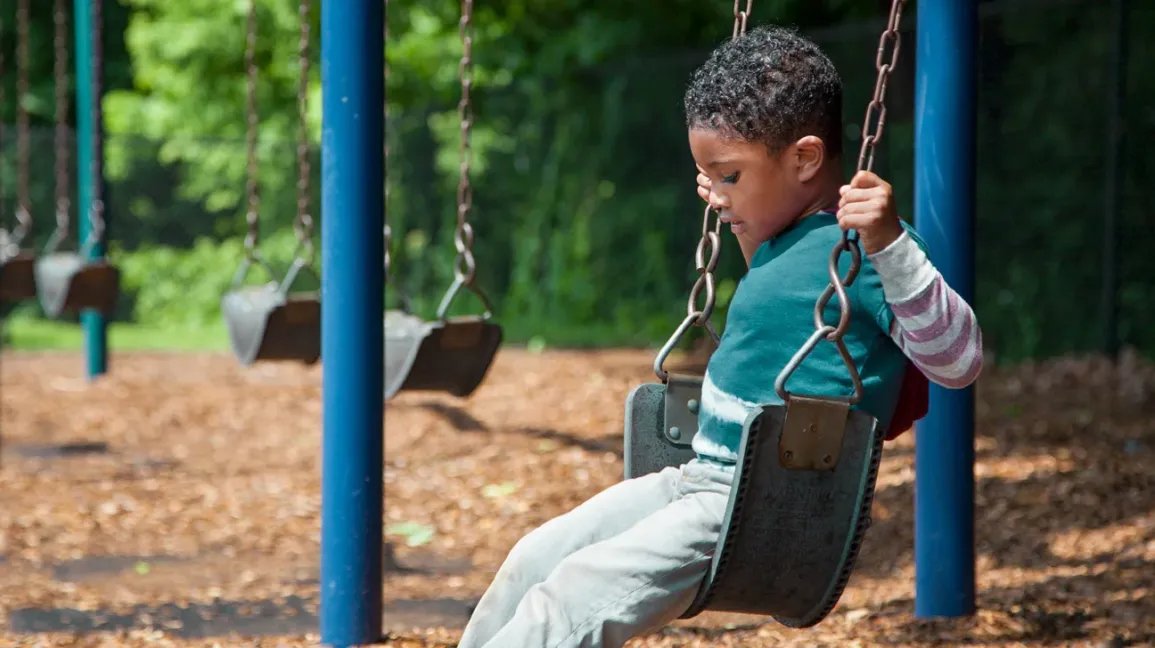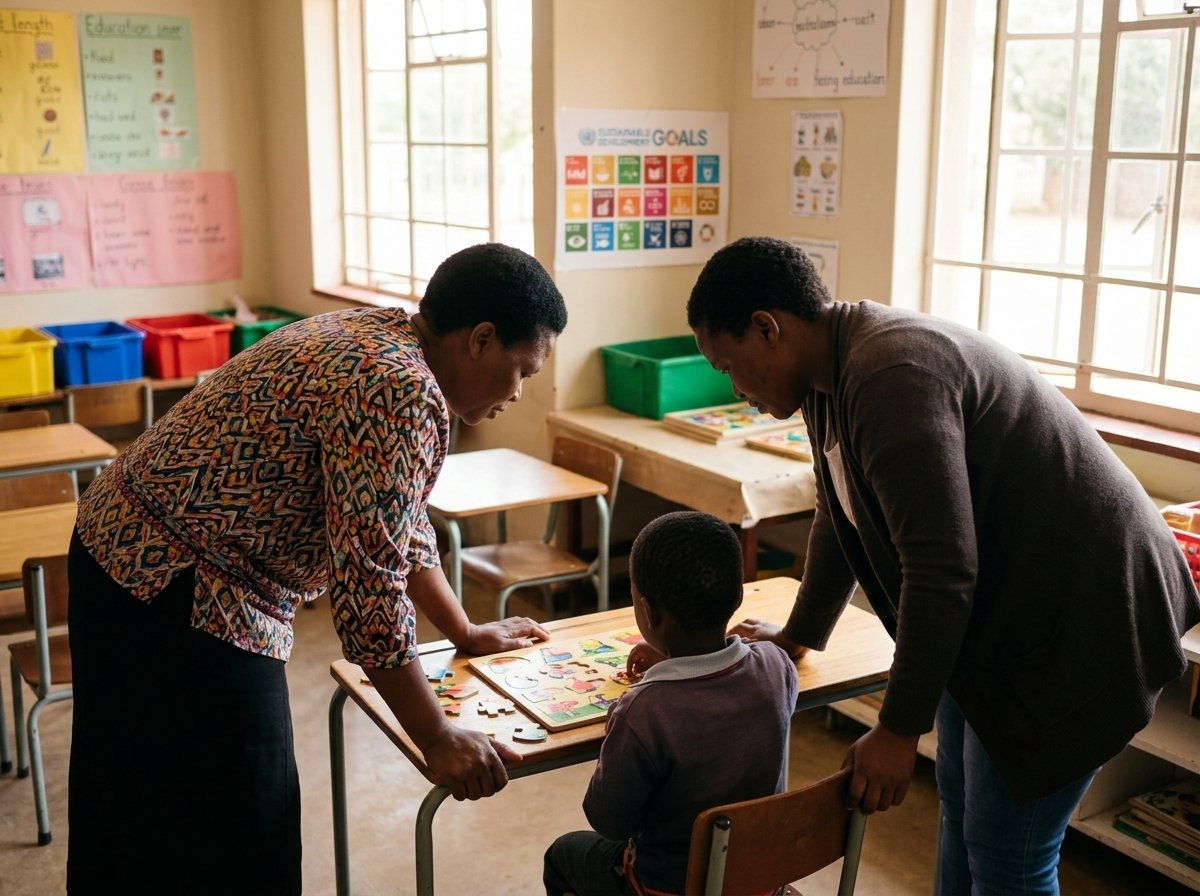
Around the world, about 1 in 127 people is autistic, according to the World Health Organization (WHO). That is more than 60 million people. Yet across much of Africa, we still do not know how many autistic children and adults there are, because so many are never diagnosed. Behind every missing number is a family trying to understand their child, often without a specialist, a supportive school or a community that understands.
At Africa Autism Alliance (AAA), we believe autism in Africa is not only a health issue. It is a question of education, equality, work and human rights, which is exactly why it belongs at the heart of the United Nations Sustainable Development Goals (SDGs).
Talk to usWhat we know about autism in Africa
WHO states that the prevalence of autism in many low- and middle-income countries is unknown. Researchers believe autism is likely as common in Africa as anywhere else; the difference is how few people are identified and supported. Studies from the region describe the same challenges again and again:
Late or missed diagnosis. Many autistic children in Africa are diagnosed much later than children in higher-income countries, and some are never diagnosed at all.
Too few specialists. One review notes that in 2015 there were roughly 50 child and adolescent psychiatrists for about one billion people in sub-Saharan Africa.
Stigma and misunderstanding. Families can face blame, isolation or pressure to look for a "cure", which delays real support.
Heavy demands on caregivers. WHO recognises that the demands on families providing care and support can be significant, and autistic people have higher rates of unmet health-care needs.
What the World Health Organization and the UN have already committed to
The global commitments already exist. In May 2014, the World Health Assembly adopted resolution WHA67.8, "Comprehensive and coordinated efforts for the management of autism spectrum disorders", supported by more than 60 countries. It calls on governments to recognise the needs of autistic people, build services and policies with real resources, and run awareness campaigns that remove stigma.
The UN Convention on the Rights of Persons with Disabilities (CRPD) protects the right to inclusive education (Article 24). The UN has also tied autism directly to sustainable development: the 2025 World Autism Awareness Day theme was "Advancing Neurodiversity and the UN Sustainable Development Goals". As UN Secretary-General António Guterres has said, "autistic people should be able to shape their own lives".
The challenge in Africa is turning these commitments into everyday support in clinics, classrooms, workplaces and communities. That is where the Alliance comes in.

How autism inclusion connects to the SDGs
SDG 3, Good Health and Well-being: universal health coverage (target 3.8) must include early identification, diagnosis and support for autistic people and their caregivers.
SDG 4, Quality Education: target 4.5 calls for equal access to education for persons with disabilities, and target 4.a for learning environments that are disability-sensitive.
SDG 8, Decent Work: target 8.5 includes full and productive employment for persons with disabilities, including autistic adults.
SDG 10, Reduced Inequalities: target 10.2 promotes the social inclusion of all, irrespective of disability.
SDG 11, Sustainable Cities and Communities: target 11.7 calls for public spaces that are accessible to persons with disabilities, including sensory-friendly spaces.
SDG 17, Partnerships for the Goals: no single organisation can close the gap alone. Progress needs governments, health workers, schools, employers, communities and international partners working together.
How Africa Autism Alliance is putting the SDGs into practice
Health (SDG 3): our Health Specialist Directory helps families find doctors, therapists and clinics who understand autism.
Education (SDG 4): we connect families with autism-trained teachers and schools that support autistic learners, including homeschooling families.
Inclusive workplaces and spaces (SDGs 8, 10 and 11): through the Africa Autism Inclusion Training Program, organisations train their staff and earn the Autism-Inclusive Organisation Badge.
Partnerships (SDG 17): our network of volunteers, professionals, centres, schools and members across the continent turns global commitments into local action.
We welcome partnership with ministries, the World Health Organization, UN agencies, NGOs and funders who want to see WHA67.8 and the SDGs delivered for autistic people in Africa.

What this means if you are caring for an autistic child
Global goals only matter if they change daily life. Here is how you can use them for your family:
Ask early. If you notice differences in communication, play or behaviour, ask a health worker for an assessment. You do not need to wait for a crisis. Our Health Specialist Directory can help you find support.
Know your child's right to learn. Inclusive education is a right under the CRPD, and many African countries have their own policies, such as Education White Paper 6 in South Africa and the Discrimination Against Persons with Disabilities (Prohibition) Act, 2018 in Nigeria. Ask your school what adjustments it can make.
Look after yourself too. WHO developed a Caregiver Skills Training programme for families of children with developmental differences, and it has been adapted and tested in Ethiopia. Ask local health services whether it, or similar caregiver support, is available near you.
You are not alone. Connecting with other families and professionals reduces isolation and helps you find practical answers. Become an Alliance member for updates, training and community support.
Join the movement
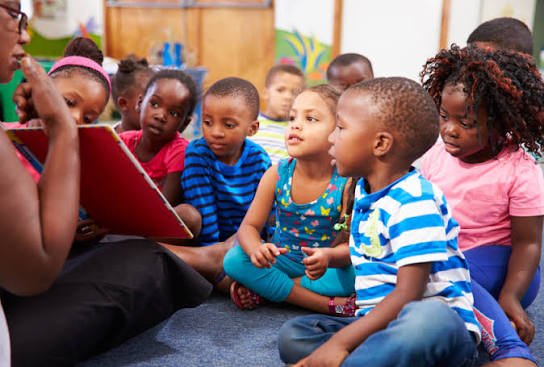
Autism inclusion in Africa will not happen by itself. It happens when parents, teachers, health professionals, organisations and global partners act together. Whether you are a caregiver, a professional or an organisation, there is a place for you in the Africa Autism Alliance.
Families and supporters: become a member at africaautismalliance.org/the-alliance/become-a-member
Organisations: join the Africa Autism Inclusion Training Program at africaautismalliance.org/the-alliance/join
Professionals, schools and centres: register on our website to join the directory
Explore autism centres
Sources
World Health Organization, Autism fact sheet (updated 17 September 2025): https://www.who.int/news-room/fact-sheets/detail/autism-spectrum-disorders
GBD 2021 Autism Collaborators, The global epidemiology and health burden of the autism spectrum, The Lancet Psychiatry (2025): https://healthdata.org/research-analysis/library/global-epidemiology-and-health-burden-autism-spectrum-findings-global
World Health Assembly resolution WHA67.8 (2014), WHO MiNDbank: https://extranet.who.int/mindbank/item/5316
United Nations, World Autism Awareness Day: https://www.un.org/en/observances/autism-day
Autism in Africa: prevalence, diagnosis, treatment and the impact of social and cultural factors on families and caregivers: a review (2023): https://www.ncbi.nlm.nih.gov/pmc/articles/PMC10473371/
Adapting and pre-testing the WHO Caregiver Skills Training programme in Ethiopia: https://www.ncbi.nlm.nih.gov/pmc/articles/PMC6927066/
UN Sustainable Development Goals and targets: https://sdgs.un.org/goals