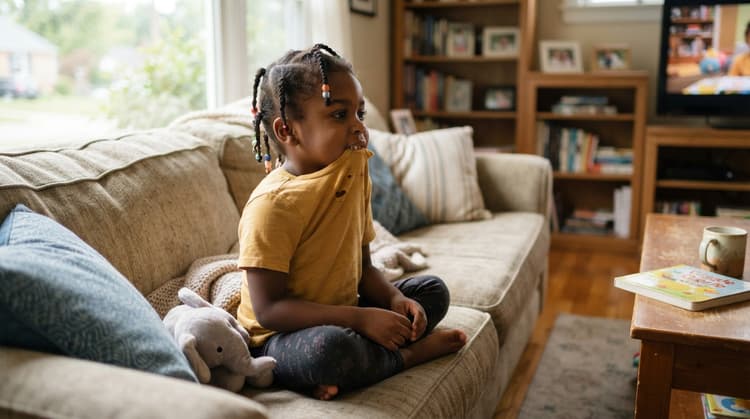
Many parents quietly ask, "is chewing clothes a sign of autism?" after noticing a child constantly chewing shirt collars, sleeves, school uniforms, or blankets. Worry often grows when teachers complain, relatives misunderstand the behaviour, or the habit continues beyond the toddler years. Many autistic children experience sensory processing differences that can influence how they respond to touch, sound, movement, and oral sensations. Repeated clothes chewing alone does not confirm autism, but it may signal an unmet sensory need or another developmental concern that deserves closer attention alongside other behavioural signs.
Parents and caregivers often search for clear answers after noticing this behaviour. Some of the most common questions include:
- Could chewing clothes simply reflect a childhood habit, or could sensory needs drive the behaviour?
- Which autism signs should parents watch alongside repeated clothes chewing?
- Could anxiety, ADHD, teething, or another condition cause similar behaviours?
- When should families seek a professional autism assessment?
- How can parents, teachers, and caregivers respond without punishment or shame?
- Which practical strategies help reduce clothes chewing safely?
This guide explains whether chewing clothes could signal autism, explores why some autistic children seek oral sensory input, highlights other possible causes, and shares practical ways to support children at home and school. You will also learn when professional assessment becomes appropriate and where families across Africa can find trusted guidance. Here, we equip parents, caregivers, educators, and communities with evidence-based autism education, practical resources, and advocacy that encourage early recognition, greater understanding, and inclusive support for autistic children.
Talk to a health specialistWhat Does Chewing Clothes Mean?
Many children chew on their sleeves, collars, or blankets at some point. This behaviour often helps them explore their surroundings, calm themselves, or respond to physical discomfort. Parents may notice occasional chewing during teething or stressful situations, while frequent chewing that continues over time may point to an underlying sensory or developmental need.
Chewing clothes does not automatically mean a child has autism. Looking at the child's overall development, communication, social interaction, and daily behaviour gives a much clearer picture. Healthcare professionals consider all these areas before making any diagnosis.

Normal Childhood Behaviour or Something More?
Young children naturally explore objects with their mouths during early development. Many stop this habit as they grow older and develop other ways to regulate their emotions and sensory needs.
Parents may need professional advice when clothes chewing:
- Continues beyond the toddler years
- Happens many times every day
- Damages clothing or causes injury
- Appears together with communication or social difficulties
- Interferes with school, learning, or daily activities
Early support often helps children develop safer and healthier coping strategies.
Why the Mouth Plays an Important Role in Sensory Regulation
The mouth contains many sensory receptors that help children process touch, pressure, texture, and movement. Chewing provides strong sensory feedback that may help some children feel calmer, improve focus, or reduce stress.
Children with sensory processing differences often seek extra oral input through chewing. Others may chew when they feel overwhelmed or anxious. Understanding the reason behind the behaviour helps parents choose the right support instead of simply trying to stop it.
Is Chewing Clothes a Sign of Autism?
Many parents ask, "is chewing clothes a sign of autism?" The simple answer remains yes, sometimes. Clothes chewing may appear in autistic children, but healthcare professionals never rely on this behaviour alone to identify autism.
The Diagnostic and Statistical Manual of Mental Disorders (DSM-5-TR) includes unusual responses to sensory experiences as one feature of Autism Spectrum Disorder (ASD). Oral sensory seeking, including chewing clothes or other objects, may form part of those sensory differences. Still, professionals always look for additional signs before reaching a diagnosis.
How Oral Stimming Relates to Autism
Many autistic children use repetitive movements or actions, often called stimming, to regulate emotions and sensory experiences. Clothes chewing falls into one type of oral stimming.
Children may chew clothing to:
- Feel calm during stressful situations
- Manage sensory overload
- Improve concentration
- Meet oral sensory needs
- Comfort themselves during unfamiliar situations
Oral stimming serves a purpose for many autistic children, so support should focus on understanding the child's needs rather than punishment.
When Clothes Chewing May Suggest Autism
Clothes chewing deserves closer attention when it appears alongside other developmental differences.
Parents may notice:
- Limited eye contact
- Delayed speech or language development
- Difficulty understanding social cues
- Strong preference for routines
- Repetitive movements such as rocking or hand flapping
- Intense interest in specific topics
- Sensitivity to sound, light, textures, or touch
Several of these signs together may justify an autism assessment.
Why Chewing Clothes Alone Cannot Confirm Autism
Many children without autism also chew clothes. Anxiety, ADHD, Sensory Processing Disorder (SPD), teething, and even temporary habits can produce similar behaviour.
Qualified healthcare professionals complete detailed developmental assessments before confirming autism. Early evaluation helps families receive accurate answers and appropriate support instead of relying on a single symptom.
The World Health Organization (WHO) encourages early identification and timely intervention for children with developmental differences whenever concerns arise.
Check out our resourcesCommon Reasons Children Chew Their Clothes
#1. Sensory Seeking and Oral Sensory Needs
Some children naturally seek extra sensory input. Chewing creates pressure through the jaw, lips, and mouth, helping them regulate their nervous system.
Children who seek oral sensory input may also enjoy:
- Crunchy foods
- Chew-safe sensory tools
- Drinking through straws
- Deep-pressure activities
#2. Anxiety, Stress, and Emotional Self-Regulation
Stressful environments may increase chewing behaviour. School changes, unfamiliar places, loud surroundings, or emotional pressure can trigger clothes chewing as a calming response.
Reducing stress and teaching healthy coping skills often helps more than repeatedly telling a child to stop.
#3. Habit, Boredom, and Self-Comfort
Some children chew clothes without noticing it. The behaviour may happen while watching television, reading, completing homework, or waiting for something.
Parents can gently redirect attention toward safer activities instead of criticizing the child.
#4. Teething, Oral Discomfort, and Development
Infants and toddlers frequently chew objects during teething. Jaw discomfort, emerging teeth, or oral development may temporarily increase chewing behaviour.
Persistent chewing after the typical teething stage deserves further attention, especially when other developmental concerns also appear.
#5. Nutritional Deficiencies and Other Medical Causes
Occasionally, nutritional deficiencies or medical conditions may contribute to excessive chewing. Iron deficiency, zinc deficiency, dental pain, or oral discomfort may play a role in some children.
Parents should consult a healthcare professional before giving supplements or assuming nutrition causes the behaviour.
Other Signs That May Appear Alongside Clothes Chewing
Clothes chewing rarely tells the whole story. Looking at a child's overall development helps parents understand whether further assessment may help.
#1. Social Communication Differences
Some children may:
- Respond less often to their name
- Find conversations difficult
- Prefer playing alone most of the time
- Struggle to understand facial expressions or body language
- Find it difficult to share interests with others
These differences may become more noticeable as social expectations increase.
#2. Repetitive Behaviours and Stimming
Children may repeat certain movements or routines that help them feel calm and organised.
Examples include:
- Hand flapping
- Rocking
- Finger tapping
- Repeating words or phrases
- Lining up toys
- Spinning objects
Many autistic children use these behaviours to regulate sensory input or emotions.
#3. Sensory Sensitivities Beyond the Mouth
Sensory differences often affect more than chewing alone.
A child may:
- Cover their ears around loud sounds
- Avoid certain clothing textures
- React strongly to bright lights
- Dislike particular food textures
- Seek movement or deep pressure
Every child experiences sensory differences differently.
#4. Restricted Interests and Preference for Routine
Some children become deeply interested in one topic or activity for long periods. Others prefer predictable routines and feel distressed when plans suddenly change.
Families should remember that these behaviours alone do not confirm autism. A qualified healthcare professional considers the child's complete developmental history before making any diagnosis. If parents remain concerned, seeking early assessment supports timely intervention and better long-term outcomes.
Conditions That Can Also Cause Clothes Chewing
#1. Sensory Processing Disorder (SPD)
Children with Sensory Processing Disorder (SPD) often struggle to process sensory information effectively. Some become highly sensitive to touch, sound, or movement, while others constantly seek extra sensory input through chewing, jumping, or touching different textures.
Clothes chewing may help a child feel calmer or more organised. SPD can exist on its own or alongside autism, ADHD, or other developmental conditions. An occupational therapist can assess sensory needs and recommend suitable interventions.
#2. ADHD
Children with Attention-Deficit/Hyperactivity Disorder (ADHD) may chew clothes to stay focused, reduce restlessness, or regulate their emotions. Some also chew pencils, fingers, or other objects during schoolwork or stressful situations.
Clothes chewing alone cannot distinguish ADHD from autism. Healthcare professionals carefully assess attention, behaviour, communication, and development before making a diagnosis.
#3. Anxiety Disorders
Stress and anxiety may also trigger clothes chewing. Some children chew more during unfamiliar situations, school activities, or emotionally challenging moments because chewing provides temporary comfort.
Parents should observe when the behaviour happens. Identifying emotional triggers often helps families develop healthier coping strategies.
#4. Pica
Pica involves eating non-food items such as paper, soil, paint, fabric, or chalk. Unlike ordinary chewing, children with pica may swallow these materials, increasing the risk of choking, poisoning, or digestive problems.
Medical assessment becomes important if a child regularly eats clothing or other non-food objects. Nutritional deficiencies, including low iron, sometimes contribute to pica.
Why Professional Assessment Matters
Every child develops differently. One behaviour rarely tells the full story. Qualified professionals evaluate communication, learning, behaviour, sensory processing, and developmental history before reaching a diagnosis.
Early assessment helps families receive accurate answers, appropriate therapy, educational support, and practical guidance.

When Should Parents Become Concerned?
Occasional clothes chewing usually does not require immediate concern. Frequent or intense chewing that affects daily life deserves professional attention, especially when other developmental differences also appear.
#1. Signs That Need Professional Attention
Parents should consider seeking professional advice if a child:
- Chews clothes every day for long periods
- Damages clothing regularly
- Continues chewing well beyond the toddler years
- Finds it difficult to stop even with gentle redirection
- Shows delays in communication or social interaction
Early conversations with a healthcare professional often provide reassurance or identify support needs sooner.
#2. Behaviours That May Affect Health or Safety
Persistent chewing may lead to practical or medical concerns, including:
- Damaged teeth or gums
- Choking hazards
- Swallowing fabric or other unsafe materials
- Poor hygiene from constantly wet clothing
- Social challenges at school or in public
Parents should seek prompt medical advice if these risks develop.
#3. When Clothes Chewing Happens Together with Other Developmental Concerns
Families should arrange an autism assessment if clothes chewing appears alongside several developmental differences, such as delayed speech, repetitive behaviours, limited eye contact, strong resistance to change, or unusual sensory reactions.
The World Health Organization (WHO) encourages early identification and timely intervention for developmental conditions because early support often improves communication, learning, and everyday participation.

Safe Ways to Reduce Clothes Chewing
The goal should never focus on stopping the behaviour without understanding its cause. Safe alternatives and supportive strategies usually produce better long-term results.
#1. Identify the Trigger First
Observe when clothes chewing happens.
Ask questions such as:
- Does it happen during homework?
- Does it happen in noisy places?
- Does it happen during stressful situations?
- Does it happen when the child feels bored or tired?
Keeping a simple behaviour diary may reveal useful patterns that guide future support.
#2. Offer Safe Oral Sensory Alternatives
Children who need oral sensory input may benefit from safer alternatives, including:
- Sensory chew tools approved for children
- Chewable pencil toppers
- Crunchy healthy snacks where appropriate
- Drinking through reusable straws
An occupational therapist can recommend suitable oral sensory tools based on the child's individual needs.
#3. Create a Calm, Sensory-Friendly Environment
A calm environment often reduces sensory overload.
Helpful strategies include:
- Reducing unnecessary noise
- Creating a quiet corner at home
- Following predictable routines
- Allowing regular sensory breaks
- Limiting overwhelming visual distractions
Small environmental changes may greatly reduce stress for some children.
#4. Teach Healthy Self-Regulation Skills
Children gradually learn healthier ways to manage emotions and sensory needs.
Parents and caregivers can encourage:
- Deep breathing
- Stretching exercises
- Movement breaks
- Sensory play
- Communication about emotions
- Relaxation activities
These strategies help children build lifelong coping skills.
#5. Avoid Punishment or Forcing the Behaviour to Stop
Punishment rarely addresses the reason behind clothes chewing. Some children simply replace one repetitive behaviour with another if their sensory needs remain unmet.
Supportive guidance, patience, and professional advice often produce better outcomes than criticism or force.
Rights and Support for Autistic Children in Africa
Autistic children deserve equal opportunities to learn, participate, and thrive within their communities. International and regional agreements encourage governments, schools, healthcare providers, and families to protect these rights.
Inclusive Education and Disability Rights
The United Nations Convention on the Rights of Persons with Disabilities (UNCRPD) promotes equal access to education, healthcare, and community participation for people with disabilities, including autistic children.
Many African countries also recognise children's rights through the African Charter on the Rights and Welfare of the Child, which encourages protection, inclusion, and access to appropriate support services.
Community Support for Families
Families often benefit from community organisations, parent support groups, healthcare professionals, therapists, schools, and autism advocacy organisations. Working together helps children access education, therapy, and social opportunities while reducing stigma within local communities.
Why Early Intervention Makes a Difference
Early identification allows children to receive support during important stages of development. Speech therapy, occupational therapy, behavioural support, and family education may strengthen communication, independence, learning, and social participation.
The World Health Organization continues to encourage early intervention for children with developmental differences.

How Africa Autism Alliance Supports Families
Autism Awareness and Reliable Information
Africa Autism Alliance provides reliable, evidence-based information that helps families better understand autism, recognise early signs, and make informed decisions about assessment and support.
Guidance for Parents and Caregivers
The organisation connects parents and caregivers with practical resources, educational materials, and guidance that support children throughout their developmental journey.
Promoting Inclusive Communities Across Africa
Africa Autism Alliance continues to promote autism awareness, encourage acceptance, and advocate for inclusive schools, workplaces, healthcare services, and communities across Africa.
Talk to usFrequently Asked Questions About Clothes Chewing and Autism
Why does my child keep chewing clothes?
Children may chew clothes to meet sensory needs, reduce anxiety, ease discomfort, improve concentration, or simply out of habit. Understanding the trigger helps determine the best response.
Can anxiety cause children to chew their clothes?
Yes. Some children chew clothing to comfort themselves during stressful, unfamiliar, or emotionally challenging situations.
Does ADHD cause clothes chewing?
Some children with ADHD chew clothes or other objects to improve focus, reduce restlessness, or satisfy sensory needs. Professional assessment helps distinguish ADHD from autism and other conditions.
What other signs should I watch for besides clothes chewing?
Parents should look for delayed communication, repetitive behaviours, limited eye contact, strong reactions to sensory experiences, difficulty with social interaction, and a strong preference for routines.
When should I seek an autism assessment?
Consider an assessment if clothes chewing continues for a long time or appears alongside communication delays, social challenges, repetitive behaviours, or other developmental concerns.
How can I stop my child from chewing clothes safely?
Focus on identifying the cause, providing safe chew alternatives, creating a calm environment, and seeking professional advice if the behaviour continues.
What can children chew instead of clothes?
Sensory chew tools, chewable pencil toppers, crunchy healthy snacks, or reusable drinking straws may provide safer alternatives depending on the child's needs.