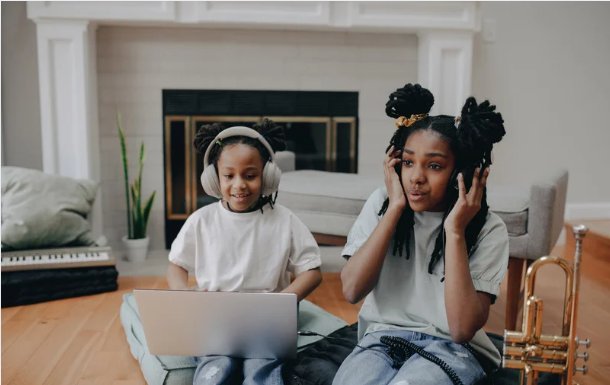
Noise can feel ordinary to one person and overwhelming to another. For someone with autism, sounds such as traffic, school bells, crowded rooms, or loud conversations may create sensory overload. The WHO notes that autism can involve differences in sensory responses, including unusual sensitivity to sounds. Autism noise-cancelling headphones may offer relief, but the right choice depends on the person.
Can headphones reduce distress in busy African schools, homes, transport hubs or public spaces? Should families choose active noise cancellation, passive protection or both? Could headphones help concentration without blocking important communication and safety sounds?
This guide explores how noise-cancelling headphones work, who may benefit, what to consider before buying, and how families can use sensory support thoughtfully.
 How Much Does an Autism Diagnosis Cost in South Africa
Do Noise-Cancelling Headphones Help People With Autism?
Yes, autism noise-cancelling headphones can help some autistic people manage difficult sounds. Reducing background noise may make busy environments feel more comfortable and support concentration or participation. However, sensory needs differ widely, so headphones may help one person while another may prefer quiet spaces, earplugs, or no sound protection.
Headphones should serve as a sensory support, not as a treatment or cure for autism. WHO also recommends well-fitted noise-cancelling headphones as one option for safer listening in noisy environments.
 Who Can Diagnose Autism in South Africa?
Why Can Noise Feel Overwhelming for Autistic People?
Autistic people can experience differences in how they process sensory information. Sounds that seem manageable to one person may feel distracting or overwhelming to another.
Common examples include:
- Traffic and public transport
- Generators and machinery
- School bells and crowded classrooms
- Loud conversations
- Shopping centres and busy events
- Sudden alarms or unexpected sounds
Not every autistic person experiences sound sensitivity. Individual needs matter more than an autism label.
 Highest Rate of Autism by Country | Global Statistics Explained
How Do Autism Noise-Cancelling Headphones Work?
Two main approaches can reduce unwanted sound:
Active Noise Cancellation
Active noise cancellation uses microphones and electronic processing to reduce certain background sounds, particularly steady sounds such as engine or transport noise.
Passive Noise Reduction
Ear cups create a physical barrier that limits sound entering the ears. A good fit can therefore reduce external noise without electronic cancellation.
Noise Cancellation vs Noise Isolation
Noise cancellation uses technology to reduce selected sounds, while noise isolation relies mainly on the physical design of the headphones. Some products combine both approaches.
WHO recommends suitable noise-cancelling headphones partly because they can reduce background noise and help users avoid increasing audio volume in noisy places.
 Sleep Problems in Autistic Children and Teenagers | Autism Guide
Can Noise-Cancelling Headphones Help at School?
They can help some students manage noisy parts of the school day, such as assemblies, lunch areas, school transport or particularly busy classrooms. The goal should remain better access to learning, rather than simply blocking out the school environment.
Parents, teachers and the student can agree on appropriate situations for headphone use. A student may need to remove them during lessons that require listening, emergency drills, or situations where hearing instructions matters.
Hearing protection also requires sensible volume levels. WHO warns that prolonged exposure to loud sounds can damage hearing and recommends safe-listening features such as volume limits.
For families across Africa, Africa Autism Alliance can provide a useful starting point for exploring autism specialists and support centres alongside sensory-support options.
 Can Autism Develop Later in Life? What Research Says
Can Autistic Adults Use Noise-Cancelling Headphones at Work?
Yes. Autism noise-cancelling headphones can help some autistic adults manage distracting sounds in open offices, workshops, public transport, or other busy environments. Reduced background noise may make it easier to concentrate and complete tasks.
However, headphone use should fit the person's role and workplace needs. Some jobs require constant awareness of machinery, alarms, colleagues or customers. A worker can discuss suitable sensory adjustments with their employer rather than assuming headphones provide the best solution for every situation.
For African workplaces, the practical goal should remain accessibility and effective participation, not simply blocking sound.
 At What Age Do Early Autism Signs Appear?
When Should Someone Avoid or Limit Noise-Cancelling Headphones?
Noise-cancelling headphones need careful use in situations where environmental awareness matters.
Consider removing or limiting headphone use when:
- Crossing roads or travelling through busy areas.
- Working near machinery or vehicles.
- Listening for emergency alarms or announcements.
- Having an important conversation.
- Taking part in activities that require close attention to surroundings.
Safe listening also matters. WHO recommends keeping personal audio volume below 60% of maximum and taking regular breaks. Excessive sound exposure can contribute to permanent hearing damage.
Are Noise-Cancelling Headphones a Treatment for Autism?
No. Headphones do not treat or cure autism.
They can provide practical sensory support for someone who finds particular sounds uncomfortable or distracting. The benefit comes from helping the person manage their environment, rather than changing autism itself.
A broader support plan may include healthcare professionals, therapists, educators and family support. Each person's sensory needs should guide the choice of support.
 How To Respond To an Autistic Child Special Interests, Routines, and Rituals
Where Can Families Find Autism Support in Africa?
Finding the right support can prove difficult, especially for families who live far from major cities. Sensory support also forms only one part of autism care, so families may need access to qualified professionals, therapy services, educational support, or autism centres.
We provide directories that can help families explore available services:
Health Specialist Directory helps families find relevant healthcare and autism professionals.
Autism Centre Directory helps families explore autism centres and related support services.
These resources can help families look beyond a single product and consider the wider support a person may need.