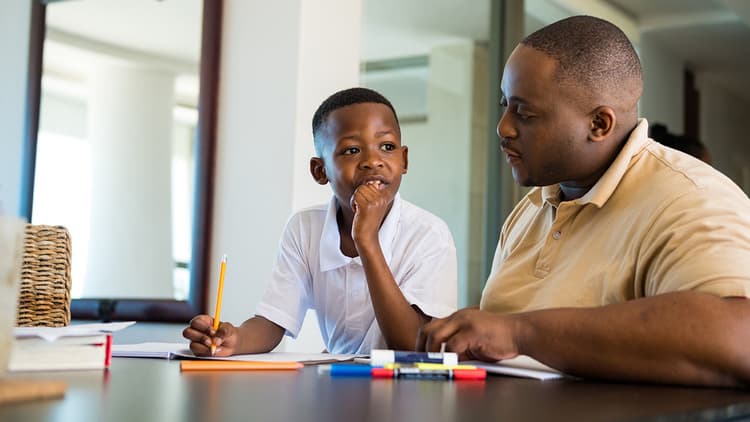
Students with Autism in schools remains one of the most misunderstood challenges across many African classrooms today. Classrooms are often crowded, teachers are overstretched, and awareness is still growing, leaving many children with autism feeling invisible, isolated, or even misunderstood. Research shows that inclusive education improves outcomes for children with developmental conditions, yet many schools still lack the training and tools to support them effectively. As a result, children may struggle with communication, face bullying, experience sensory overload, or fall behind academically, not because they cannot learn, but because the system is not designed for them.
At the same time, parents and educators are asking important questions, often with little guidance or support:
- How can teachers properly support autism in schools without special training?
- What classroom strategies actually help children with autism learn better?
- How can schools reduce bullying and improve inclusion?
- What should parents expect from schools when their child is autistic?
- How can learning environments be adapted to address sensory needs and communication challenges?
These concerns are real, and they deserve clear, practical answers. That is where we step in, bridging the gap between awareness and real action. In this guide, you will discover proven ways to support autism in schools, from simple classroom adjustments to effective teaching strategies and inclusive policies. Each section is designed to help schools, teachers, and parents work together to create safe, supportive, and empowering learning environments where every child can truly thrive.
Find Special Care Schools Around YouUnderstanding Autism in Schools
Autism in schools refers to how children on the autism spectrum learn, interact, and respond within a classroom setting. Autism is a neurodevelopmental condition, which means it affects communication, behaviour, and social interaction, not intelligence or potential. In many African classrooms, these differences are often misunderstood, leading to children being labeled “stubborn” or “slow” when they simply learn differently.
In a typical classroom, students with autism may:
- Struggle to follow verbal instructions quickly
- Avoid eye contact or group participation
- Prefer routines and become anxious with sudden changes
- Show strong interest in specific topics
Across Africa, limited awareness, large class sizes, and lack of trained support staff make autism in schools more challenging. Inclusive education is supported globally under the United Nations Convention on the Rights of Persons with Disabilities (CRPD). This law promotes equal access to education for children with disabilities, including autism.
We help schools understand these differences through training and awareness programs, ensuring children are supported, not excluded.
Creating an Autism-Friendly Classroom Environment
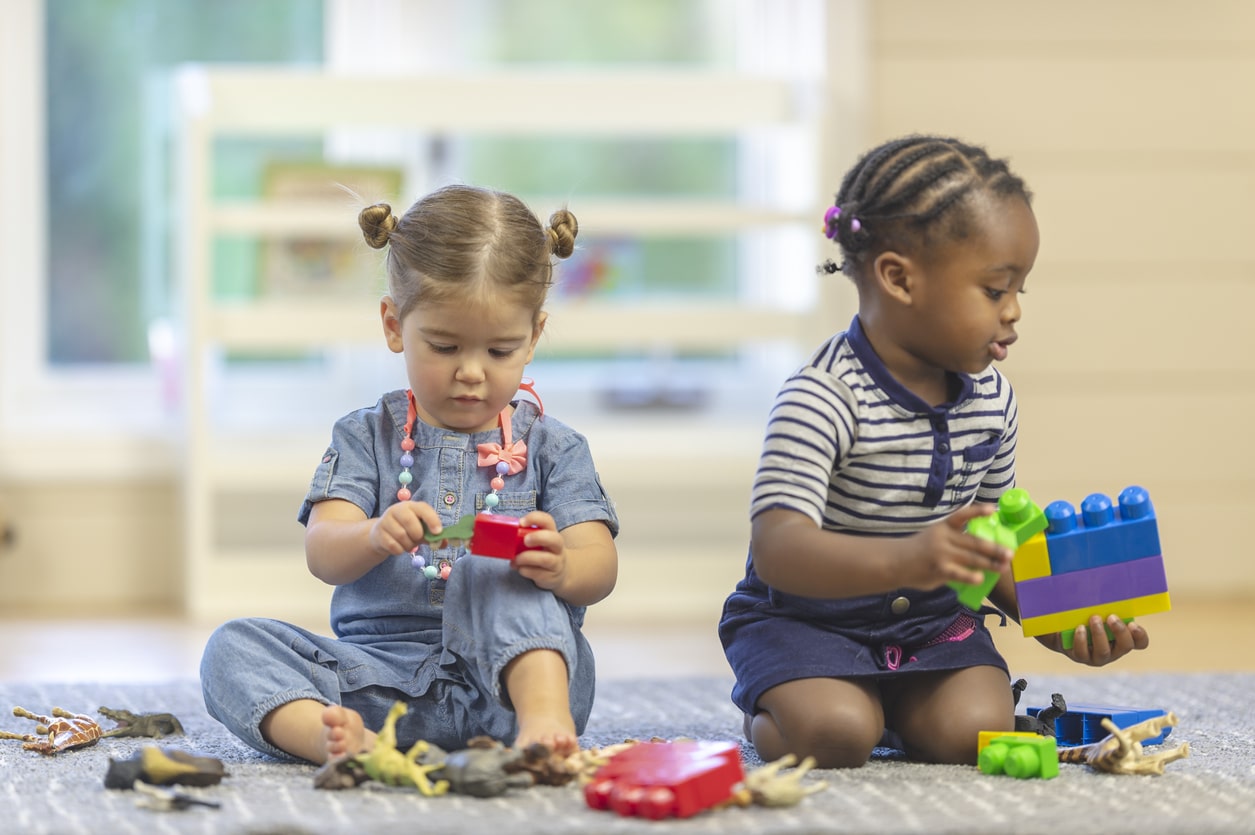
An autism-friendly classroom helps students feel safe, understood, and ready to learn. Structure and clarity are key. When the environment is predictable, children with autism can focus better and reduce anxiety.
Key elements of a supportive classroom:
|
Area |
What to Do |
Why It Helps |
|
Routine |
Use a daily schedule with clear steps |
Reduces confusion and stress |
|
Communication |
Give simple, clear instructions |
Improves understanding |
|
Visual Support |
Use charts, pictures, and cues |
Helps students process information |
|
Seating |
Place student in a calm, low-distraction area |
Improves focus |
|
Sensory Support |
Allow breaks or quiet corners |
Prevents overload |
Additional tips include:
- Use positive language such as “please sit down” instead of “don’t stand”
- Prepare students before any change in routine
- Provide written or visual classroom rules
Such environments align with inclusive education goals promoted by UNESCO

Key Challenges of Autism in Schools
Autism in schools comes with real challenges that affect both learning and social life. Understanding these challenges helps teachers respond with empathy instead of punishment.
Common challenges:
1. Social and Communication Barriers
- Difficulty making friends or joining group activities
- Trouble understanding body language or tone
- Limited speech or delayed responses
2. Sensory Sensitivities
- Loud noises, bright lights, or crowded spaces can feel overwhelming
- Activities like assemblies or sports may cause stress
- Some students may react strongly or withdraw
3. Behavioral Misunderstanding and Stigma
- Repetitive actions may be seen as “bad behaviour”
- Emotional reactions may be misunderstood as disobedience
- Bullying or isolation can occur due to lack of awareness

Practical Teaching Strategies for Autism in Schools
Effective support for autism in schools starts with simple, consistent teaching methods that match how students learn. Clear structure, patience, and understanding can greatly improve learning outcomes.
Using Visual Supports and Clear Instructions
Visual tools help students understand and remember tasks.
- Use pictures, charts, and visual schedules
- Give short, clear instructions
- Allow extra time for processing
Establishing Routines and Preparing for Transitions
Predictable routines reduce anxiety and confusion.
- Keep a consistent daily schedule
- Inform students before any change
- Use countdowns or visual cues for transitions
Positive Reinforcement and Behavior Support
Encouragement builds confidence and good behaviour.
- Praise specific actions like “good job completing your task”
- Use reward systems such as stickers or tokens
- Focus on what the student should do, not what to avoid
Task Simplification and Step-by-Step Learning
Breaking tasks makes learning easier.
- Divide lessons into small steps
- Teach one instruction at a time
- Use examples and demonstrations
Encouraging Social Interaction and Peer Support
Support helps students feel included.
- Pair students with supportive classmates
- Create group activities in small teams
- Teach simple social skills like greetings and sharing

Supporting Sensory Needs in the Classroom
Many students with autism are sensitive to their environment. Managing sensory input improves focus and comfort.
Practical ways to support sensory needs:
|
Sensory Area |
Strategy |
Benefit |
|
Noise |
Reduce loud sounds or allow headphones |
Prevents distress |
|
Lighting |
Use natural or soft lighting |
Reduces discomfort |
|
Movement |
Allow short breaks |
Improves focus |
|
Space |
Provide a quiet corner |
Helps calm the student |
Additional support tips:
- Avoid overcrowded seating arrangements
- Allow flexible seating options
- Provide simple sensory tools like stress balls
Preventing Bullying and Promoting Inclusion
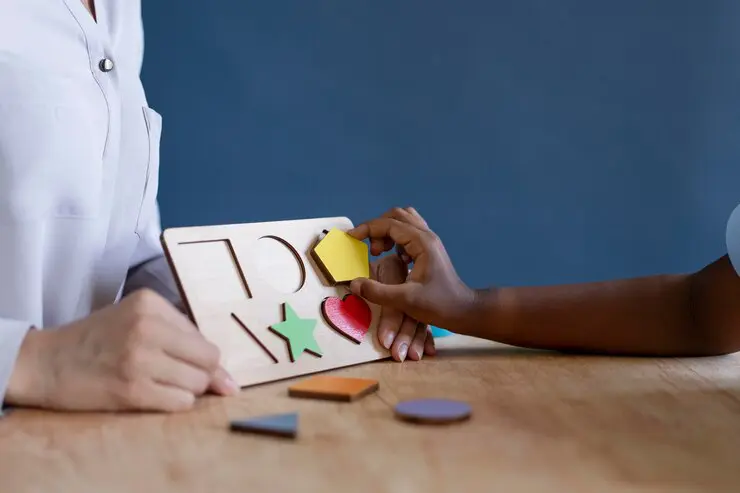
Children with autism are more likely to face bullying, often in ways that are not obvious. Schools must take active steps to create safe environments.
Signs of hidden bullying:
- Sudden withdrawal or silence
- Avoiding school or group activities
- Emotional outbursts without clear reason
Ways to promote inclusion:
- Teach students about acceptance and differences
- Encourage kindness and peer support
- Monitor interactions during breaks and group work
Inclusion checklist:
|
Action |
Purpose |
|
Awareness programs |
Build understanding among students |
|
Peer mentoring |
Encourage friendships |
|
Teacher supervision |
Prevent bullying early |
Individualized Support for Students with Autism
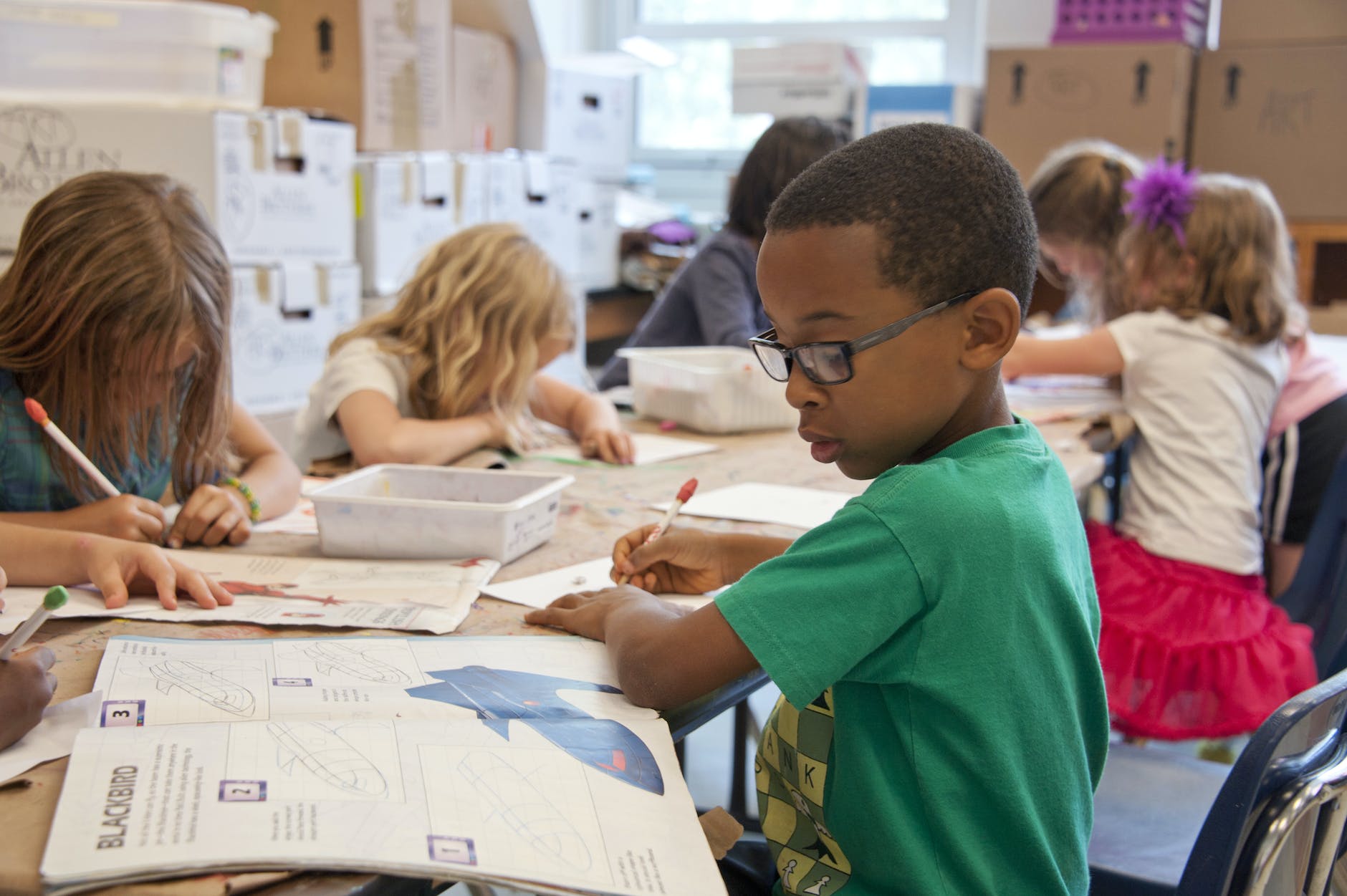
Every child with autism is different, so support must be personalized. A one-size approach does not work.
Key elements of individualized support:
- Identify strengths, interests, and challenges
- Adjust teaching methods to match learning style
- Provide consistent support across subjects
Example: “About Me” Profile
|
Section |
Details |
|
Strengths |
What the child enjoys or does well |
|
Triggers |
What causes stress or discomfort |
|
Support Needs |
Best ways to help the child learn |
Personalized learning aligns with global inclusive education goals and helps students reach their full potential.
Collaboration Between Teachers, Parents, and Schools
Strong teamwork improves outcomes for children with autism in schools. Communication ensures consistency between home and classroom.
Why collaboration matters:
- Parents understand the child’s behaviour and needs
- Teachers apply strategies in the classroom
- Schools provide structure and resources
Ways to build collaboration:
- Share regular progress updates
- Hold meetings to review learning goals
- Use communication books or digital tools
Collaboration model:
|
Stakeholder |
Role |
|
Parents |
Share insights and support learning at home |
|
Teachers |
Deliver structured and inclusive lessons |
|
Schools |
Provide policies and learning support |
We support this collaboration through training, guidance, and advocacy, helping families and schools work together to create better outcomes for children across Africa.
How Africa Autism Alliance Supports Autism in Schools
Supporting autism in schools requires more than awareness. It demands training, advocacy, and practical support for teachers, parents, and institutions. Africa Autism Alliance plays a key role in helping African schools create inclusive and supportive learning environments.
Teacher Training and Capacity Building
Many schools in Africa lack specialized training in autism support. We help bridge this gap through:
- Practical teacher training on autism-friendly classroom strategies
- Guidance on managing behavior, communication, and sensory needs
- Workshops focused on inclusive teaching methods
These programs align with global inclusion goals under the United Nations Educational, Scientific and Cultural Organization, which promotes inclusive education for all learners.
Advocacy for Inclusive Education
Children with autism often face exclusion due to stigma or a lack of understanding. We actively advocate for:
- Equal access to education in line with the United Nations Convention on the Rights of Persons with Disabilities (CRPD).
- Policy improvements across African countries
- School systems that support neurodiversity and acceptance
Support for Schools and Families
Strong collaboration improves outcomes for children. We support:
- Parent education and awareness programs
- School consultations to improve classroom environments
- Resources tailored to African communities
These efforts make it easier for schools to identify challenges early and apply the right solutions for autism in schools.
Talk to a Health SpecialistFrequently Asked Questions About Autism in Schools
Can children with autism attend regular schools?
Yes, many children with autism can attend regular schools when proper support systems, trained teachers, and inclusive practices are in place.
How can teachers support students with autism?
Teachers can use clear instructions, structured routines, visual aids, and positive reinforcement to help students feel safe and engaged in learning.
Is autism covered under education laws in Africa?
Many African countries follow global frameworks like the CRPD, which promotes inclusive education, although implementation varies across regions.
Where can parents and schools get help?
Organizations like Africa Autism Alliance provide guidance, training, and resources to support both families and schools in creating better learning environments.