Your child rarely responds when you call their name, struggles to communicate, or becomes overwhelmed by everyday sounds. You notice these differences, but relatives insist your child will outgrow them. Autism awareness for parents helps you recognise developmental concerns without jumping to conclusions. According to the Centers for Disease Control and Prevention (CDC), experienced professionals can reliably diagnose autism by age two, yet many children receive diagnoses much later.
For African parents, the journey can feel even more confusing. Cultural beliefs, costly assessments, limited specialist services, and conflicting parenting advice may delay important conversations about your child's development. Meanwhile, you may struggle to understand their behaviour or find practical ways to support them.
At Africa Autism Alliance, we help families replace uncertainty with understanding. This guide explores early autism characteristics, developmental milestones, professional assessments, and practical strategies to support your child's communication, learning, and daily life.

Why Autism Awareness for Parents Matters
Every child develops at their own pace, but understanding your child's unique needs helps you provide the right support. Autism awareness for parents encourages you to recognise developmental differences, respond with patience, and make informed decisions about your child's wellbeing.
Early understanding also helps you:
- Recognise support needs: Notice when your child struggles with communication, social interaction, or sensory experiences.
- Reduce harmful misconceptions: Challenge beliefs that link autism to poor parenting, spiritual causes, or bad behaviour.
- Build stronger relationships: Understand how your child communicates emotions, discomfort, and preferences.
- Advocate for inclusion: Work with teachers, healthcare professionals, and relatives to create supportive environments.
The World Health Organization (WHO) highlights the importance of timely, evidence-based support for autistic people and their families. Therefore, greater awareness helps parents move beyond uncertainty and focus on their child's strengths, needs, and development.

Understanding Autism and Early Childhood Development
Autism, also called autism spectrum disorder (ASD) in clinical settings, describes a neurodevelopmental condition that influences how people communicate, interact, process sensory information, and experience the world.
Autism does not follow one pattern. Some children communicate through speech, while others use gestures, pictures, or communication devices. Likewise, some children need substantial daily assistance, while others manage many activities independently.
How Autism Can Affect Communication, Behaviour, and Social Interaction
Autistic children may communicate and connect with others differently. For example, your child might enjoy playing alone, repeat favourite phrases, or struggle to explain feelings through speech.
The table below explains common differences and how parents can respond.
|
Developmental area |
What you might notice |
How you can help |
|
Communication |
Limited speech, repeated words, or difficulty expressing needs |
Use pictures, gestures, and clear language |
|
Social interaction |
Less interest in group play or difficulty interpreting social cues |
Follow your child's interests during play |
|
Behaviour |
Strong preference for familiar activities |
Explain changes and offer reassurance |
|
Sensory processing |
Discomfort around loud sounds, bright lights, or certain textures |
Adjust the environment to improve comfort |
These differences do not automatically indicate autism. A qualified professional must consider your child's overall developmental history before reaching a diagnosis.
Understanding Developmental Differences in Children
Children develop communication, movement, play, and social skills at different rates. However, developmental milestones help parents understand which skills children commonly develop at particular ages.
For example, the Centers for Disease Control and Prevention (CDC) provides age-based developmental milestones covering learning, communication, movement, and social development.
Rather than comparing your child with other children, observe their progress over time. Pay attention to emerging abilities, changes in communication, and any loss of previously acquired skills. Discuss concerns with a healthcare professional instead of waiting for your child to outgrow them.
Early Signs of Autism Parents Should Know
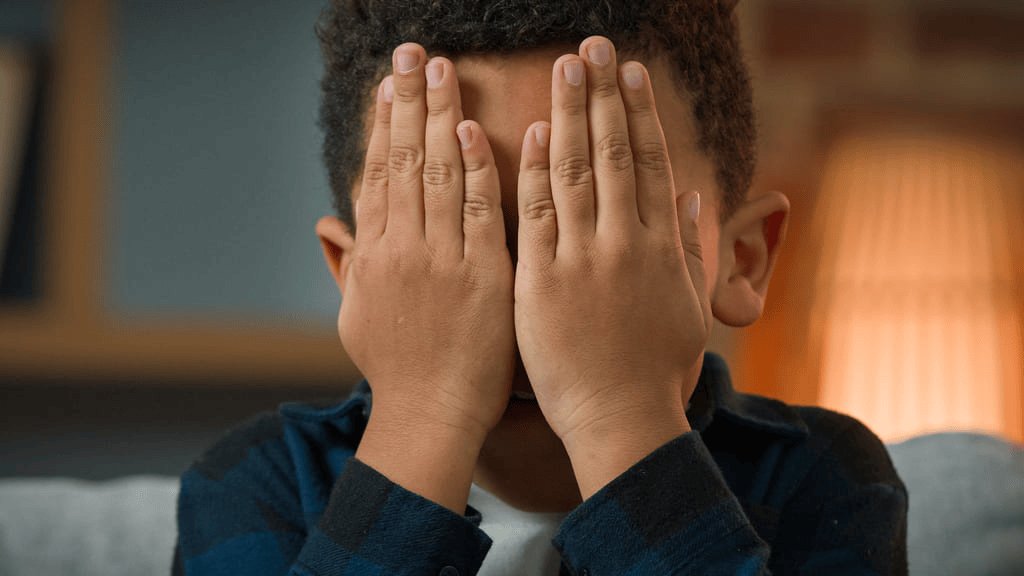
You may first notice differences during everyday activities, such as feeding, playing, or interacting with your child. Some autism characteristics emerge during infancy, while others become more noticeable as children grow and face new social demands.
According to the CDC's guidance on autism signs and symptoms, certain differences in communication, social interaction, and repetitive behaviour may suggest the need for further developmental assessment.
Communication and Social Interaction Signs
Watch for patterns such as:
- Limited response to their name: Your child frequently seems unaware when someone calls them, despite hearing other sounds.
- Few gestures: Your child rarely points, waves, or uses gestures to communicate.
- Delayed communication: Your child uses fewer spoken words than expected or struggles to express basic needs.
- Limited shared attention: Your child seldom draws your attention to interesting objects or activities.
- Different play patterns: Your child may prefer independent activities or find back-and-forth play difficult.
Some autistic children speak fluently and enjoy social interaction. Therefore, consider your child's overall development rather than relying on one characteristic.
Repetitive Behaviours and Sensory Differences
You might also notice your child repeating movements, arranging toys in particular patterns, or developing strong interests in specific objects.
Other possible characteristics include:
- Repeated hand movements, rocking, or spinning.
- Strong distress when familiar routines change unexpectedly.
- Unusual sensitivity to sounds, clothing textures, lights, or smells.
- Intense interest in particular subjects or activities.
- Seeking certain sensations, such as movement or pressure.
These experiences vary widely. Some behaviours help children regulate emotions or manage sensory discomfort, so parents should focus on understanding their purpose rather than automatically stopping them.

What Should Parents Do If They Notice Early Autism Signs?
Noticing developmental differences can raise many concerns, especially when family members offer conflicting advice. However, you do not need to wait for a diagnosis before discussing your child's needs or introducing helpful adjustments.
Start by observing carefully, then speak with a qualified healthcare professional who understands childhood development.
Tracking Your Child's Development
A simple developmental diary can help you identify patterns and communicate concerns during appointments.
Record information such as:
|
What to track |
Practical example |
|
Communication |
How your child requests food, water, or assistance |
|
Social interaction |
How your child responds during shared play |
|
Sensory experiences |
Sounds, textures, or environments that cause discomfort |
|
Daily routines |
How your child handles transitions between activities |
|
Emerging skills |
New words, gestures, interests, or abilities |
You can also use the CDC's developmental milestone checklists to guide your observations.

How Parents Can Support an Autistic Child at Home
Your home provides many opportunities to help your child feel understood, comfortable, and confident. You do not need expensive equipment or complicated activities to begin.
Instead, focus on your child's interests, communication preferences, sensory needs, and everyday experiences.
Building Communication and Social Skills
Meaningful communication involves more than spoken words. Your child may express needs through gestures, facial expressions, pictures, sounds, or communication devices.
Try these practical activities:
- Follow your child's interests: Join activities they enjoy rather than forcing unfamiliar games.
- Use simple instructions: Give one clear instruction at a time and allow enough time for a response.
- Encourage different communication methods: Introduce pictures, gestures, or appropriate communication aids when helpful.
- Practise turn-taking: Use enjoyable games to encourage shared participation without pressure.
- Celebrate progress: Acknowledge your child's efforts, whether they communicate through speech, gestures, or another method.
Avoid forcing eye contact or insisting on speech as the only acceptable way to communicate. Instead, respect your child's preferred communication style and seek guidance from a speech and language therapist when needed.
Creating Supportive Routines and Sensory-Friendly Spaces
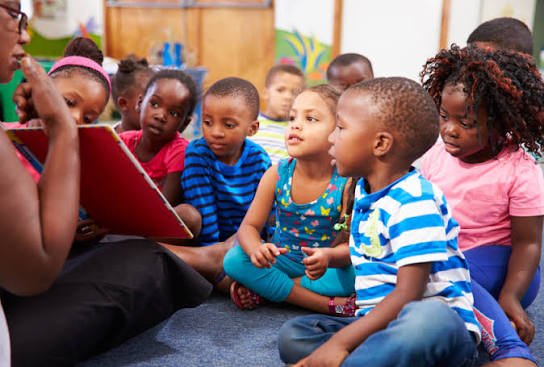
Imagine your child returning home after a noisy school day. Instead of immediately introducing homework or household activities, you offer a quiet space where they can rest.
Small adjustments like this can make daily life more comfortable.
Consider the following:
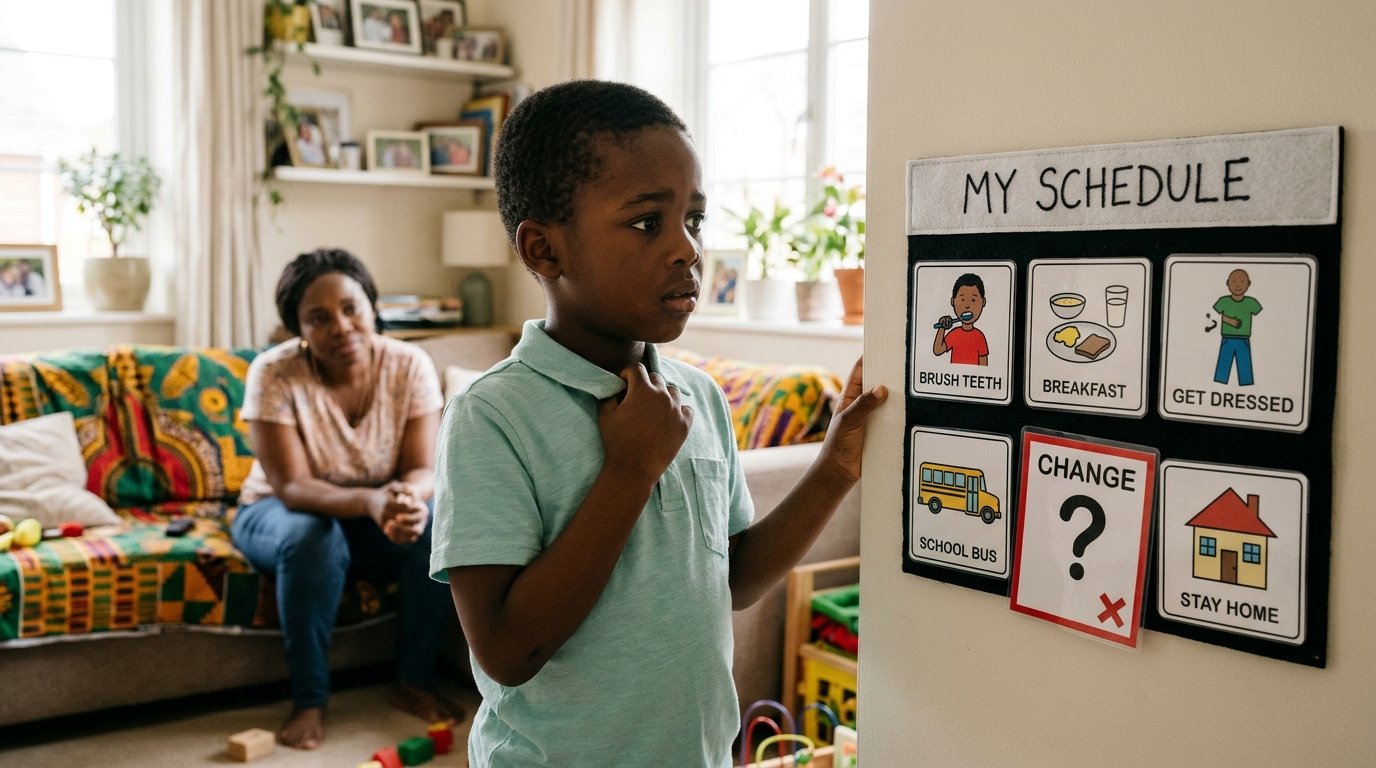
- Create predictable routines: Use pictures or simple schedules to explain daily activities.
- Prepare for changes: Give advance notice before leaving home, changing activities, or welcoming visitors.
- Reduce sensory discomfort: Adjust lighting, lower unnecessary noise, and provide comfortable clothing.
- Offer calming spaces: Create a quiet corner with familiar objects where your child can relax.
- Respect sensory preferences: Allow safe self-regulating movements and avoid unnecessary sensory demands.
You can explore more educational guidance through the Africa Autism Alliance resource centre. Our resources help parents and caregivers strengthen their understanding of autism and develop more supportive everyday environments.
Explore autism centres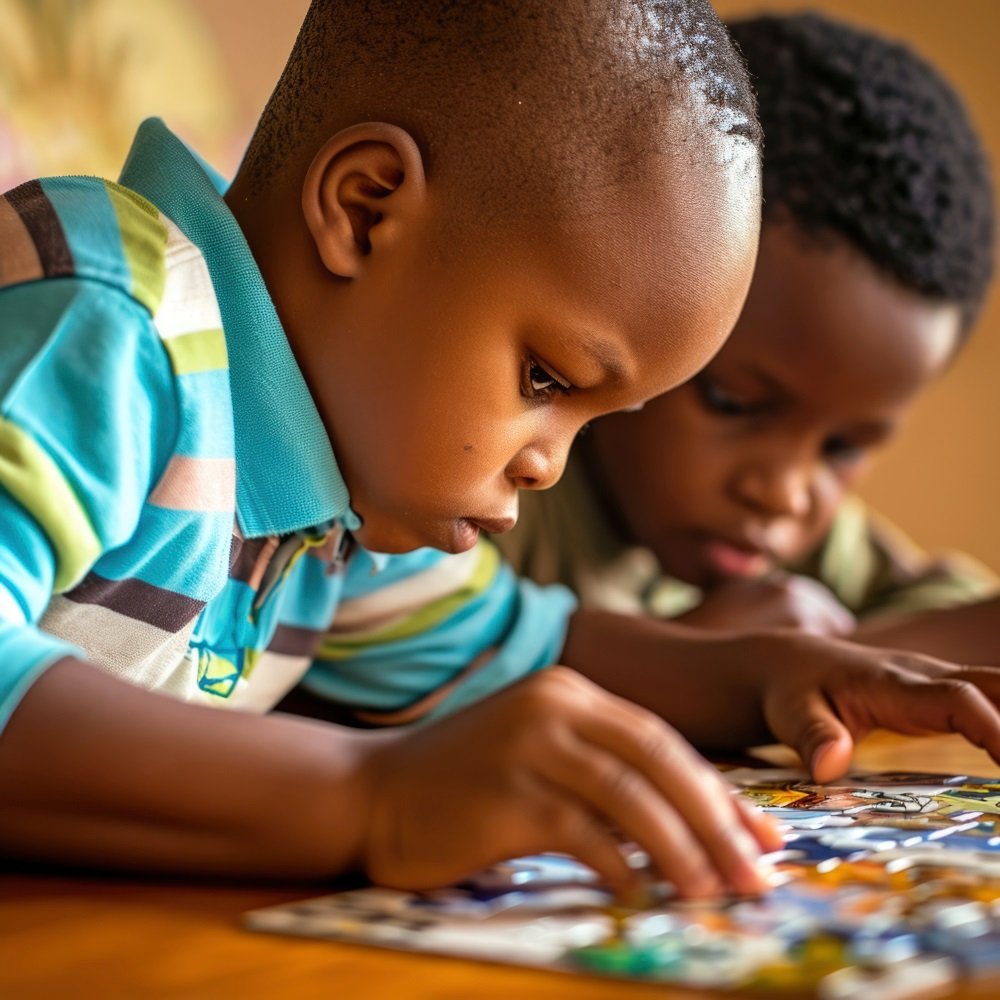
Common Autism Myths and Misconceptions Parents Should Avoid
Misinformation about autism can influence how families respond to their children's needs. Across some African communities, cultural beliefs, social stigma, and misleading health advice may discourage parents from seeking professional guidance. However, autism awareness for parents helps families separate scientific evidence from harmful assumptions.
The table below addresses common misconceptions.
|
Common myth |
What parents should know |
|
Vaccines cause autism. |
Extensive scientific research shows no causal link between vaccines and autism. |
|
Poor parenting causes autism. |
Parenting styles do not cause autism. |
|
Autistic children lack emotions. |
Autistic children experience emotions and express them in different ways. |
|
Autism only affects boys. |
Autism affects children of all genders, although girls may experience delayed identification. |
|
Autism requires a cure. |
Autism has no cure, but appropriate support can improve wellbeing, communication, and daily participation. |
The World Health Organization provides evidence-based information that helps families challenge these misconceptions.
Parents should also question anyone promising miracle treatments or guaranteed results. Instead, prioritise qualified professionals, trustworthy research, and approaches that respect your child's dignity.

Autism Support and Resources for Parents in Africa
Finding reliable autism support can feel challenging, especially when specialist services concentrate in major cities or families face financial difficulties. However, several organisations and public institutions provide information, advocacy, and guidance that parents can explore.
|
Organisation or resource |
How it can help parents |
|
Autism education, awareness resources, and inclusion advocacy |
|
|
Disability inclusion guidance and children's rights resources |
|
|
Regional public health information and health system guidance |
|
|
Autism awareness, advocacy, and information for families in South Africa |
Parents can also contact public teaching hospitals, paediatric departments, disability organisations, and local parent-support networks.
Furthermore, the United Nations Convention on the Rights of Persons with Disabilities (CRPD) promotes equal access to education, healthcare, and community participation. Article 24 addresses inclusive education, while Article 25 covers access to healthcare.
Although national laws and available services differ across African countries, these principles can help parents understand their children's rights and advocate for appropriate support.
How Africa Autism Alliance Supports Parents and Families
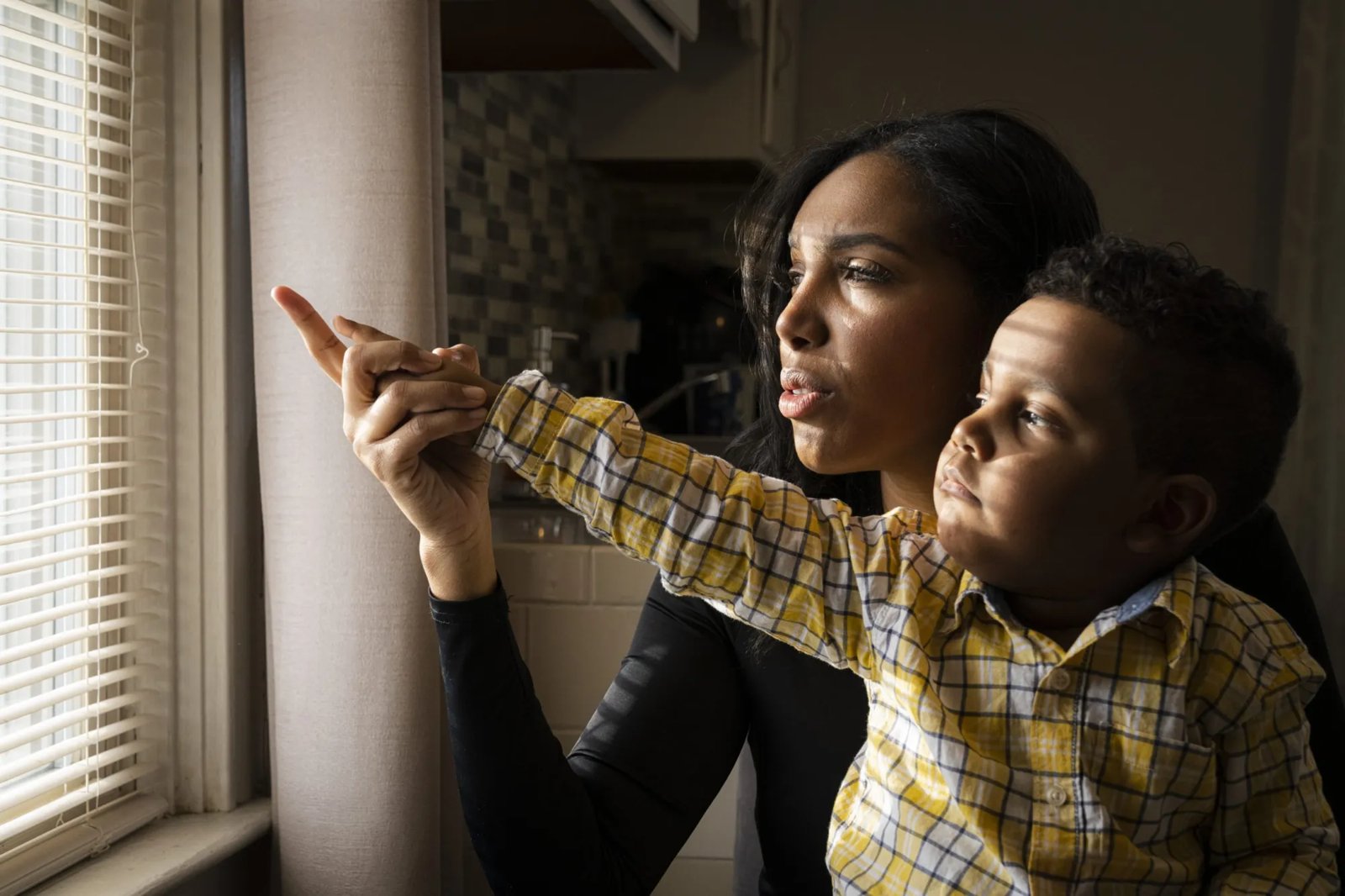
Here, we help parents move from confusion to informed action through education, practical resources, and inclusion advocacy.
Our initiatives offer several ways to support families:
- Free educational resources: Explore our autism toolkits, including an early-signs leaflet for parents and practical school resources.
- Professional connections: Use our health specialist directory to explore relevant healthcare professionals.
- Autism centre directory: Discover available services through our autism centres directory.
- Community education: Our awareness initiatives help schools, healthcare providers, and organisations create more welcoming environments.
Our goal goes beyond raising awareness. We want families to experience meaningful inclusion in classrooms, healthcare settings, and everyday community life.
Explore our resources or contact our team to learn more about the support and educational opportunities available.