Parents across Africa often face a quiet struggle when choosing the right support tools for children on the autism spectrum. Many toys on the market are not designed for sensory needs, communication challenges, or developmental delays. This gap can lead to frustration, meltdowns, and missed learning opportunities at home and in school. The truth is that the right autism toys can improve focus, calm anxiety, and support learning through play. According to the Centers for Disease Control and Prevention, early support and structured play can significantly improve development outcomes in children with autism. Still, many families struggle to find affordable, effective, and culturally relevant options within African communities.
Parents often ask difficult questions while searching for solutions. Which autism toys actually help with sensory regulation and not just entertainment? How can a simple toy improve communication or reduce stress? What toys are safe, affordable, and easy to use at home or in school settings? Where can families in Africa find trusted recommendations without wasting money on products that do not work?
This guide provides clear answers and practical solutions. It explores the best autism toys for sensory support, learning, and play, helping parents make informed decisions with confidence. Most importantly, we are committed to guiding families toward the right tools, resources, and support systems tailored to African realities, ensuring every child has the opportunity to learn, grow, and thrive.
Check out our resourcesWhat are autism toys?
Autism toys are specially designed tools that help children with autism learn, play, and feel calm. These toys focus on how a child thinks, feels, and responds to the world. Unlike regular toys, autism toys are created to support sensory needs, communication, and skill development.

How autism toys support development and daily learning
Autism toys help children build important life skills simply and engagingly. They turn everyday play into learning opportunities.
Key benefits include:
- Improve focus and attention
- Support speech and communication skills
- Develop fine and gross motor skills
- Encourage independence and confidence
Many African countries support inclusive learning through policies like South Africa’s Education White Paper 6, which promotes tools and support systems for learners with disabilities.
The role of sensory play in emotional regulation
Sensory play is a major part of toys for autism. It helps children manage stress, anxiety, and strong emotions.
Children with autism may be:
- Sensory seekers: Always looking for movement, sound, or touch
- Sensory sensitive: Easily overwhelmed by noise, light, or textures
Autism toys help create a balance. They allow children to calm down, stay focused, and feel safe in their environment.

Types of Autism Toys for Different Needs
#1. Sensory Autism Toys (Touch, Sound, Sight)
These toys stimulate the senses and help children stay calm and focused.
- Fidget toys and stress balls (touch)
- Light projectors and visual boards (sight)
- Musical toys and sound puzzles (hearing)
#2. Motor Skill Development Toys
Motor skill toys help children improve body movement and coordination.
- Building blocks and puzzles
- Bead threading and stacking toys
- Trampolines and balance boards

#3. Cognitive and Learning Autism Toys
These toys support thinking, memory, and problem-solving.
- Matching games and sorting sets
- Alphabet and number puzzles
- Cause-and-effect toys
#4. Social and Communication Toys
These toys help children interact and connect with others.
- Role-play toys (kitchen sets, dolls)
- Turn-taking games
- Picture cards and communication boards
Best Autism Toys for Sensory Support
#1. Tactile Toys (Texture and Touch Exploration)
Tactile toys help children explore different textures and improve touch tolerance.
- Playdough and kinetic sand
- Textured balls and sensory bins
- Putty and slime kits
#2. Visual Stimulation Toys (Lights and Movement)
Visual toys help children who enjoy colors, patterns, and movement.
- LED light toys
- Spinning toys and sensory bottles
- Projection lamps for calming effects
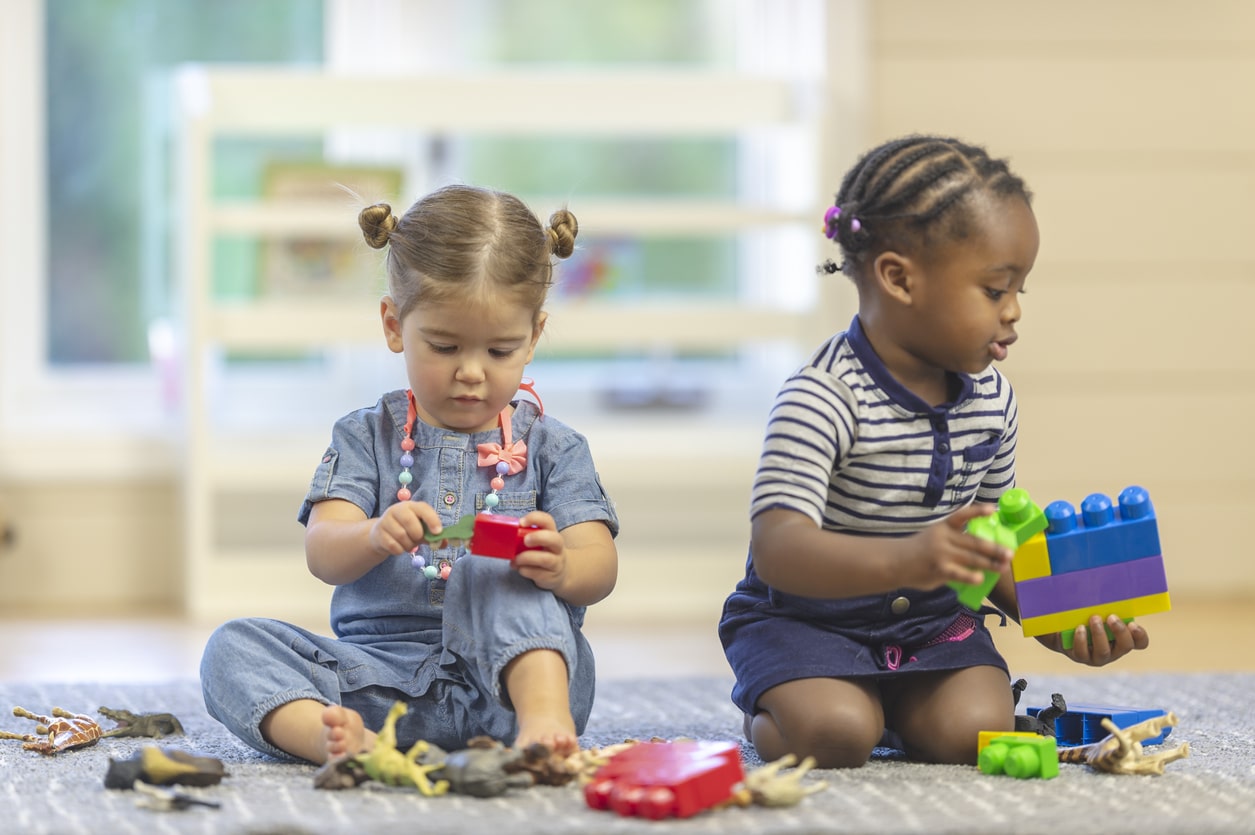
#3. Auditory Toys (Sound and Music Engagement)
Auditory toys support listening skills and sound processing.
- Musical instruments
- Talking books
- Sound puzzles with simple audio
#4. Movement-Based Toys (Balance and Coordination)
These toys support body awareness and physical activity.
- Swings and rocking chairs
- Trampolines and hopper balls
- Scooter boards and tunnels
Autism Toys for Learning and Skill Development
Autism toys are not just for fun. They are powerful tools that help children learn key life skills through play. The right toys support growth in thinking, movement, communication, and emotional control, especially in inclusive learning systems that are being promoted across Africa.
#1. Fine Motor Skill Toys
Fine motor skills help children use their hands for writing, dressing, and daily tasks.
Examples of autism toys for fine motor skills:
- Bead threading and lacing kits
- Building blocks and stacking toys
- Pegboards and puzzles
Benefits:
- Improves hand strength and coordination
- Supports writing readiness
- Builds independence

#2. Problem-Solving and Cognitive Toys
These autism toys help children think, plan, and understand cause and effect.
Examples include:
- Shape sorters and matching games
- Simple coding toys and logic puzzles
- Memory and sequencing games
Benefits:
- Improves focus and attention
- Builds reasoning and decision-making skills
- Encourages independent learning
#3. Language and Communication Support Toys
Communication can be challenging for many children with autism. These toys make learning easier.
Examples:
- Picture cards and flashcards
- Talking books and sound boards
- Role-play toys like kitchen sets
Benefits:
- Supports speech development
- Improves understanding of words and actions
- Encourages social interaction
#4. Emotional and Self-Regulation Toys
These autism toys help children manage emotions and stay calm.
Examples:
- Fidget toys and stress balls
- Weighted toys and blankets
- Calm-down sensory kits
Benefits:
- Reduces anxiety and stress
- Helps children stay focused
- Encourages emotional control

How To Choose the Right Autism Toys for Your Child
Choosing autism toys requires careful understanding of a child’s unique needs. The right choice can improve learning, while the wrong one may cause frustration.
#1. Understanding sensory preferences (seekers vs avoiders)
Children respond differently to sensory input.
|
Type |
Behavior |
Best Toy Type |
|
Sensory Seekers |
Always moving, touching, or making noise |
Movement toys, textured toys |
|
Sensory Sensitive |
Easily overwhelmed by noise or light |
Calm, soft, low-noise toys |
#2. Matching toys to developmental level, not age
A child’s ability matters more than age.
- Choose toys that match current skills
- Avoid toys that are too easy or too difficult
- Look for toys that grow with the child
#3. Safety, durability, and simplicity considerations
Safety is important, especially for young children.
Key tips:
- Choose non-toxic and strong materials
- Avoid toys with small removable parts
- Select simple toys with clear purpose
Many African countries follow safety and child protection standards supported through frameworks like the UNICEF child development guidelines.
Age-Based Guide to Autism Toys
Every stage of growth requires different types of autism toys.
Autism Toys for Toddlers
Toddlers need simple and safe toys that support early development.
Best options:
- Soft sensory toys
- Stacking rings and shape sorters
- Musical toys with gentle sounds
Focus:
- Basic motor skills
- Sensory exploration
- Early communication
Autism Toys for Preschool Children
Preschoolers begin to explore learning and social interaction.
Best options:
- Puzzles and matching games
- Pretend play toys
- Visual schedules and learning cards
Focus:
- Problem-solving
- Social skills
- Language development
Autism Toys for Older Kids and Teens
Older children need more advanced and engaging autism toys.
Best options:
- Strategy games and memory tools
- STEM and coding toys
- Stress-relief and focus tools
Focus:
- Critical thinking
- Independence
- Emotional regulation
Benefits of Using Autism Toys at Home and School
Autism toys play an important role in helping children learn, stay calm, and build everyday skills. These tools support both home routines and classroom learning when used correctly.
- Improves focus and attention: Structured and repetitive play helps children stay engaged for longer periods. Simple toys like puzzles, fidget tools, and matching games reduce distractions and support concentration during lessons or homework.
- Supports emotional regulation: Sensory toys such as weighted items or tactile tools help children manage stress, anxiety, and overstimulation. This aligns with guidance from the World Health Organization on creating supportive environments for children with developmental conditions.
- Encourages independent play and confidence: Children gain confidence when they can complete tasks on their own. Autism toys designed with clear outcomes help build independence and reduce frustration.
- Enhances school participation: In inclusive classrooms, these toys support learning as encouraged under policies like the South African Schools Act, which promotes equal access to education.

Common Mistakes to Avoid When Choosing Autism Toys
Choosing the wrong autism toys can reduce their benefits and even create stress for the child.
- Overstimulating toys with too many features: Toys with loud sounds, flashing lights, and multiple functions can overwhelm children who are sensitive to sensory input.
- Toys that do not match the child’s needs: Every child with autism is different. A toy that works for one child may not work for another. Focus on individual strengths and challenges.
- Ignoring sensory sensitivities: Some children avoid certain textures, sounds, or movements. Selecting toys without considering these sensitivities can lead to discomfort or rejection.
- Choosing based on age instead of ability: Developmental level matters more than age. Simple toys can be more effective than complex ones when they match the child’s skill level.
How Africa Autism Alliance Helps Families Choose Autism Toys
Africa Autism Alliance supports families, schools, and caregivers in making the right choices for autism toys through expert guidance and practical resources.
- Personalized guidance for parents and caregivers: The organization helps families understand sensory needs and recommends suitable autism toys for learning, play, and emotional support.
- Training and practical resources: Workshops and training sessions teach how to use autism toys effectively at home and in schools, ensuring long-term benefits.
- Support for inclusive education: Schools receive guidance on integrating autism toys into classrooms, supporting inclusive education policies such as UN Convention on the Rights of Persons with Disabilities.
- Advocacy across Africa: The Alliance works to improve access to tools, resources, and inclusive learning environments for children with autism across the continent.
Frequently Asked Questions About Autism Toys
Do autism toys really help children?
Autism toys can improve focus, emotional control, and skill development when used correctly. Health guidance from the World Health Organization confirms that supportive environments and tools help children with autism develop better daily living skills.
How do I choose the right autism toys for my child?
Focus on your child’s sensory preferences, developmental level, and interests. Some children prefer movement and touch, while others may respond better to visual or quiet toys. Simple and safe options usually work best.
Are autism toys only for children with autism?
Autism toys can also benefit children with ADHD, sensory processing challenges, or developmental delays. Many of these toys support general learning and emotional development for all children.
Are expensive autism toys better than simple ones?
Price does not determine effectiveness. Simple toys that match a child’s needs often provide better results than expensive or complex options.
How can parents and schools get support in choosing autism toys?
Organizations like Africa Autism Alliance provide guidance, training, and resources to help families and schools select and use the right autism toys effectively.