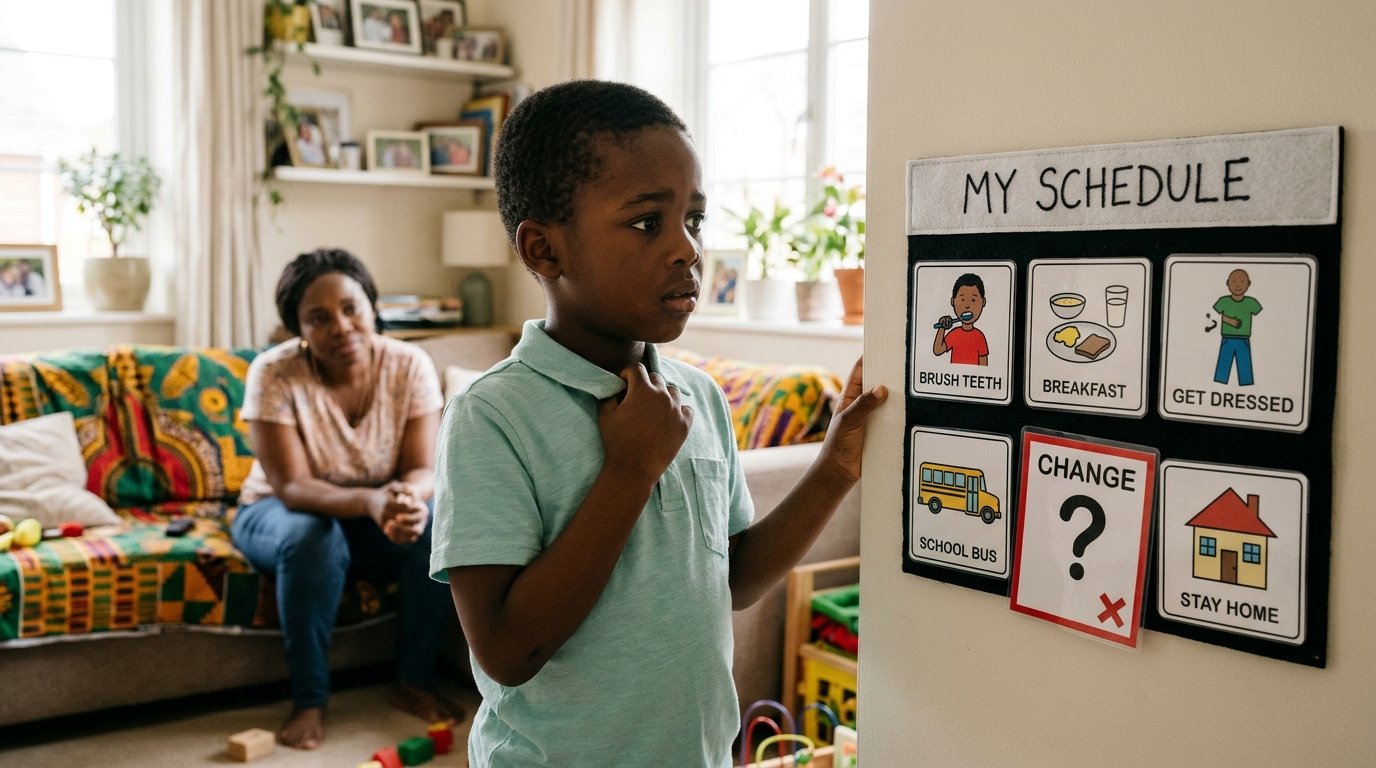
Your child finally says their first word, yet months later, everyday conversations still feel difficult. Meanwhile, other children seem to reach milestones much faster, leaving you worried about what comes next. Understanding autism development stages helps you recognise how growth can differ over time. According to the CDC, experienced professionals can reliably diagnose autism by age two, although many children receive diagnoses much later.
As your child grows, new challenges may emerge around communication, friendships, learning, and independence. Conflicting advice from relatives, limited specialist support, and uncertainty about future milestones can make parenting even more stressful. However, every autistic child follows a unique developmental path.
At Africa Autism Alliance, we help families understand these differences through practical education and guidance. This guide explores autism development from early childhood through adulthood, common changes at each stage, and ways to support your loved one's progress.
Talk to a health specialist
Understanding Autism Development Stages
Every autistic person follows a unique developmental journey. Some children begin speaking early but struggle with social communication, while others develop language later or communicate through gestures and pictures. Understanding autism development stages helps parents recognise these differences and provide appropriate support as their children grow.
Autism affects how people communicate, interact, process sensory information, and experience their surroundings. However, autism does not progress through fixed stages, and development can follow different patterns throughout life.
The World Health Organization (WHO) explains that autistic people's abilities and support needs vary considerably and may change over time.
The table below provides a general overview of developmental periods and possible support needs.
|
Age group |
Developmental focus |
|
Birth–3 years |
Early communication, movement, and social engagement |
|
3–5 years |
Language, play, emotional expression, and early learning |
|
6–12 years |
Classroom learning, friendships, and daily routines |
|
13–17 years |
Puberty, emotional wellbeing, identity, and independence |
|
18 years and above |
Employment, relationships, community participation, and adult responsibilities |
These age groups provide a useful guide rather than a timetable. Your child's strengths, experiences, and support needs matter more than reaching every milestone at a particular age.

Early Autism Development Stages: Birth to 3 Years
During the first three years, babies and toddlers develop important communication, movement, and social skills. Parents often begin noticing differences while feeding, playing, or interacting with their children.
Some autistic toddlers reach expected milestones, while others develop certain skills later or show uneven progress across different areas.
Early Communication and Social Development
Babies gradually learn to communicate through sounds, facial expressions, gestures, and shared attention.
For example, a toddler might point towards a favourite toy to show interest, imitate familiar sounds, or look towards a caregiver during play.
Autistic children may develop these abilities differently. Some communicate through gestures rather than speech, while others show strong interest in objects but less interest in conventional social games.
The Centers for Disease Control and Prevention (CDC) provides developmental milestone checklists that parents can use to monitor early childhood development.
Developmental Differences Parents May Notice
Certain patterns may encourage parents to seek professional developmental advice.
These include:
- Limited use of gestures, such as pointing or waving.
- Inconsistent responses when someone calls the child's name.
- Differences in eye contact or shared attention.
- Delayed spoken language or loss of previously acquired words.
- Repeated movements or strong reactions to particular sounds and textures.
One characteristic alone does not confirm autism. However, persistent developmental concerns deserve professional attention, particularly when a child loses previously acquired skills.
Autism Development During Preschool Years (Ages 3–5)
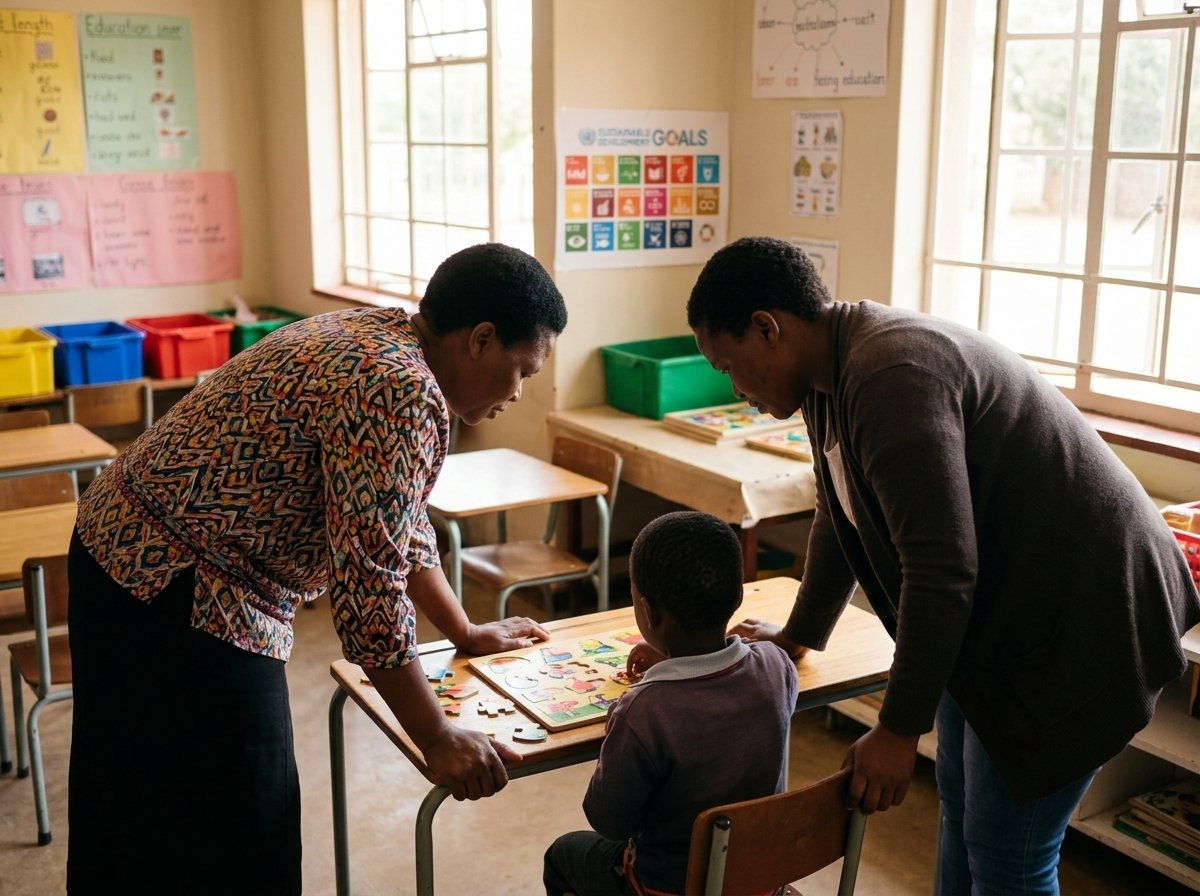
Preschool introduces new experiences, including group activities, classroom routines, and interactions with unfamiliar children. These changes may reveal strengths and support needs that parents rarely notice at home.
For some autistic children, structured learning encourages new abilities. Others may need additional support with communication, transitions, or unfamiliar environments.
Language, Play, and Emotional Development
Preschool children often develop more complex communication and imaginative play. However, autistic children may express themselves through different communication methods or prefer particular play patterns.
For example, a child might repeatedly arrange toy cars instead of using them in pretend games. Another might enjoy storytelling but struggle to explain frustration.
Parents and teachers can support development through:
- Picture cards and visual communication tools.
- Play activities that follow the child's interests.
- Clear explanations before changing activities.
- Opportunities to express emotions without pressure.
- Support from speech and language therapists when appropriate.
The goal involves strengthening communication and participation rather than forcing children to copy every behaviour of their peers.

Preparing Your Child for Early Education
Starting nursery or preschool can feel overwhelming when children encounter unfamiliar teachers, crowded classrooms, and new expectations.
Parents can make this transition easier through simple preparation.
For example, visit the school before the first day, introduce your child to the teacher, and practise parts of the daily routine at home.
The UNICEF guidance on inclusive education encourages learning environments that accommodate children with different abilities and support needs.
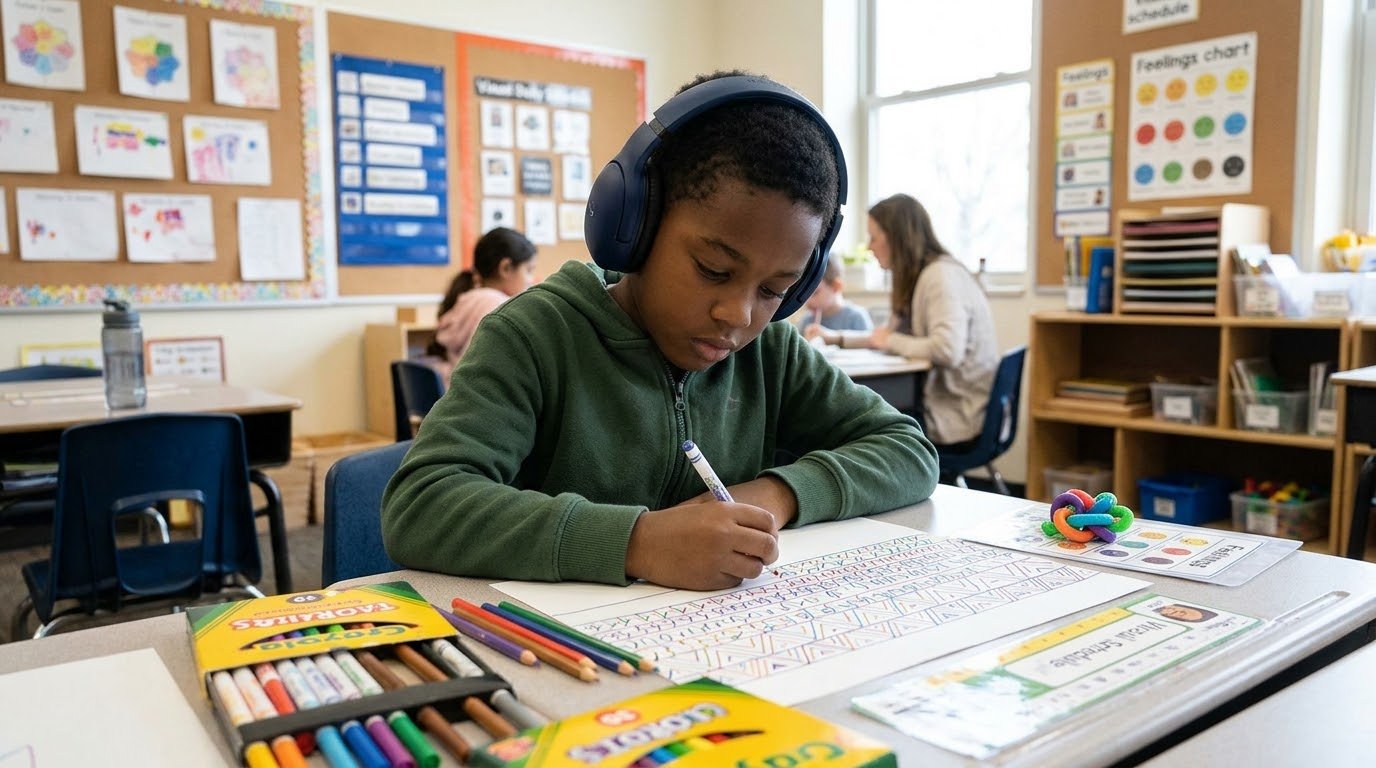
You can also discuss reasonable classroom adjustments, such as visual schedules, flexible seating, or quiet spaces, with school staff.

Autism Development During School Age (Ages 6–12)
As children enter primary school, academic expectations increase, friendships become more complex, and daily routines demand greater independence.
During this period, autistic children may demonstrate strong abilities in particular subjects while needing additional guidance with classroom instructions, group activities, or organisation.
Learning, Friendships, and Social Interaction
Autistic children learn in different ways. Some enjoy reading, mathematics, or creative activities, while others benefit from visual explanations, practical demonstrations, or additional processing time.
Social experiences also vary. A child may want friendships but struggle to understand unspoken social expectations. Another may prefer a small circle of friends or enjoy spending time alone.
Parents and teachers can encourage positive experiences through:
- Clear instructions that break complicated tasks into smaller steps.
- Shared activities based on the child's interests.
- Respect for different communication styles.
- Classroom discussions that encourage kindness and prevent bullying.
The United Nations Convention on the Rights of Persons with Disabilities (CRPD), Article 24, recognises the right of persons with disabilities to inclusive education.
This principle encourages schools to provide appropriate support instead of excluding children due to developmental differences.
Managing Sensory Needs and School Challenges
Imagine a child trying to concentrate while classmates talk loudly, chairs scrape against the floor, and bright lights fill the classroom. For an autistic learner with sensory sensitivities, these everyday experiences may cause significant discomfort.
Such challenges can affect concentration, participation, and emotional well-being.
Parents can work with teachers to identify helpful adjustments, including quieter learning areas, planned movement breaks, and alternative ways to complete classroom activities.
Regular communication between home and school also helps adults recognise difficulties early and respond consistently.
Autism Development During Teenage Years (Ages 13–17)
Adolescence brings physical changes, stronger emotions, growing responsibilities, and new social expectations. Autistic teenagers experience puberty like other teenagers, although sensory differences, communication needs, and changing routines may influence how they manage these experiences.
Parents can support teenagers through respectful conversations, practical guidance, and opportunities to make personal choices.
Puberty, Emotions, and Changing Social Needs
Puberty introduces changes in body development, personal hygiene, relationships, and emotional experiences.
Some autistic teenagers may struggle to describe unfamiliar feelings or manage changes to their bodies. Others may experience increased anxiety around friendships, social expectations, or school transitions.
Helpful approaches include:
- Explaining puberty through clear, age-appropriate language.
- Discussing personal boundaries, consent, and healthy relationships.
- Providing privacy and respecting personal preferences.
- Encouraging teenagers to communicate discomfort in ways that suit them.
- Seeking professional mental health support when emotional difficulties affect daily life.
The NICE guideline on autism in children and young people provides recommendations for supporting autistic children and teenagers, including their physical and mental health needs.
Building Independence and Life Skills
Teenagers often begin taking greater responsibility for everyday activities. However, independence does not look the same for everyone.
Some autistic teenagers may manage schoolwork independently but need help planning journeys or handling money. Others may require ongoing assistance with personal care.
Parents can introduce practical skills gradually, including:
- Preparing simple meals safely.
- Managing personal belongings and school schedules.
- Understanding money and everyday purchases.
- Practising safe travel where appropriate.
- Making informed choices about personal interests and future education.
Focus on meaningful progress rather than comparing your teenager with others. Support should match their abilities, preferences, and safety needs.
Autism Development in Adulthood (Ages 18 and Above)
Autism continues throughout adulthood, but personal experiences, abilities, and support needs can change. Some autistic adults pursue higher education, build careers, and live independently, while others benefit from ongoing assistance.
Adulthood also introduces new responsibilities involving employment, finances, healthcare, and relationships.
Education, Employment, and Relationships
Autistic adults may pursue university education, vocational training, entrepreneurship, or employment based on their interests and abilities.
However, inaccessible recruitment processes, workplace discrimination, and limited accommodations can create unnecessary barriers.
Employers and educational institutions can improve accessibility through clear communication, predictable expectations, flexible working arrangements, and appropriate sensory adjustments.
Relationships also remain an important part of adult life. Autistic adults may develop friendships, romantic relationships, and family connections in ways that reflect their personal preferences.
The CRPD, Article 27, recognises the right of persons with disabilities to work on an equal basis with others, including access to inclusive working environments.
Independent Living and Ongoing Support
Independent living does not always mean managing every responsibility without assistance. Instead, it involves having meaningful choices and appropriate support to participate in everyday life.
For example, one autistic adult may live alone but need help managing appointments. Another may prefer supported housing or assistance from family members.
Important areas of adult support include:
- Healthcare: Accessing professionals who understand autism and respect communication preferences.
- Financial management: Learning budgeting skills or receiving assistance with complex financial decisions.
- Community participation: Joining social groups, recreational activities, or local organisations.
- Emotional wellbeing: Accessing appropriate mental health support when necessary.
- Personal decision-making: Encouraging autonomy while respecting individual support needs.
The World Health Organization highlights the importance of accessible healthcare, community inclusion, and support throughout life.
Families can also explore our resource centre for educational information that encourages greater understanding and inclusion across African communities.
Ultimately, adulthood does not mark the end of development. Autistic people can continue learning, building relationships, developing skills, and pursuing meaningful goals throughout their lives.
Explore autism centresFactors That Influence Autism Development Over Time
No two autistic people experience development in the same way. While genetics and individual neurological differences influence development, everyday experiences, health conditions, and access to appropriate support can also shape a person's progress.
Understanding these factors helps families approach autism development stages with realistic expectations rather than comparing children against fixed timelines.
Several factors can influence developmental experiences:
- Genetics and individual differences: Genetic factors contribute significantly to autism, while each person's unique abilities and characteristics influence how they learn and communicate.
- Access to appropriate support: Speech and language therapy, occupational therapy, and individualised educational support may help develop specific skills and improve daily participation.
- Physical and mental health: Sleep difficulties, anxiety, epilepsy, or other health conditions can affect concentration, comfort, and everyday functioning.
- Family and community environments: Understanding caregivers, accessible schools, and supportive communities can encourage participation and emotional wellbeing.
- Sensory experiences: Noise, lighting, crowded spaces, and other environmental factors may influence comfort, learning, and behaviour.
Importantly, these factors do not determine a child's worth or guarantee particular developmental outcomes. Instead, they help parents identify support that matches their child's circumstances.

How Parents and Caregivers Can Support Development at Every Stage
Supporting an autistic person's development involves understanding their changing needs, respecting their choices, and helping them build meaningful skills.
Rather than focusing only on developmental milestones, parents and caregivers should consider what improves the person's comfort, confidence, communication, and participation.
The following approaches can help across different life stages.
|
Support approach |
How parents and caregivers can apply it |
|
Set realistic goals |
Focus on useful skills that match the person's interests and abilities. |
|
Encourage personal choices |
Offer age-appropriate opportunities to make decisions. |
|
Maintain open communication |
Listen to concerns and respect different communication methods. |
|
Work with professionals |
Review support plans as needs and circumstances change. |
|
Support emotional wellbeing |
Recognise stress, celebrate achievements, and encourage enjoyable activities. |
|
Plan important transitions |
Prepare early for changes involving school, healthcare, employment, or living arrangements. |
For example, a parent might initially focus on helping a young child communicate daily needs. Years later, that same family may prioritise school participation, personal safety, or preparation for employment.
The UNICEF guidance on inclusive education highlights the importance of removing barriers that prevent children with disabilities from participating fully in learning.
Ultimately, effective support should grow with the person rather than follow a rigid programme.

When to Seek Professional Guidance About Developmental Changes
Developmental differences do not always indicate a medical problem. However, sudden changes in communication, behaviour, movement, or emotional wellbeing deserve careful attention.
Parents and caregivers should seek professional guidance when changes affect everyday functioning, cause significant distress, or raise concerns about physical or mental health.
Consider contacting a qualified healthcare professional when you notice:
- Loss of previously acquired skills: Your child stops using familiar words, gestures, or abilities they previously demonstrated.
- Persistent sleep difficulties: Sleep problems begin affecting daytime wellbeing, learning, or family life.
- Significant behavioural changes: Sudden distress, withdrawal, or self-injurious behaviour suggests possible pain, illness, or unmet needs.
- Growing emotional difficulties: Anxiety, persistent sadness, or overwhelming stress interferes with daily activities.
- New physical symptoms: Seizures, unexplained pain, or changes in movement require medical attention.
Seek urgent medical care for a first seizure, prolonged seizure, serious injury, or immediate safety concerns.
The National Institute for Health and Care Excellence (NICE) recommends considering physical health, mental health, communication needs, and environmental factors when assessing difficulties experienced by autistic children and young people.
In many African countries, parents can begin with a paediatrician, family doctor, or public teaching hospital. These professionals can recommend relevant specialists when necessary.
Remember, professional support should address the person's wellbeing and specific difficulties rather than attempt to eliminate harmless autistic characteristics.

How Africa Autism Alliance Supports Autistic Individuals and Families
Understanding autism across different life stages requires reliable information, supportive communities, and opportunities for inclusion.
Here, we promote autism understanding and inclusion across African communities through educational resources, awareness initiatives, and advocacy.
Our work helps families and communities take practical steps towards more accessible environments.
We support this goal through:
- Autism education: Our resource centre provides articles that help families and caregivers understand autism-related experiences.
- Practical resources: Our free toolkits offer educational materials for parents, schools, and organisations.
- Access to information: Our health specialist directory helps families explore relevant professional services.
- Community inclusion: Our advocacy encourages greater acceptance and accessibility in schools, workplaces, and public spaces.
We recognise that meaningful support extends beyond childhood. Autistic teenagers and adults also deserve opportunities to pursue education, employment, relationships, and independent decision-making.
Explore our resources to learn how families, educators, and communities can contribute to a more inclusive Africa.
Talk to us