
A child’s development can bring moments of joy, but also questions that leave parents worried: At what age does autism appear? The World Health Organization (WHO) notes that autism characteristics can appear during early childhood, although diagnosis often happens much later. For African families, delayed access to developmental support, limited awareness, or uncertainty about where to seek help can make those early concerns even harder.
Could your child’s delayed speech, limited response to their name, repetitive play, or unusual reaction to sounds mean something more? How early can signs of autism appear, and what should parents look for without turning every developmental difference into a cause for fear? How to detect early signs of autism also raises an important question: when should a parent seek professional guidance?
This guide explains the early signs, developmental ages to watch, and steps families can take when concerns arise. We provide accessible information on autism to help African parents and caregivers understand these signs and find appropriate support.
Talk to a health specialistAt What Age Does Autism Usually Appear?
Early Autism Signs in the First 12 Months
Some babies may show differences in social communication, such as limited eye contact, reduced social interaction, or little response to people around them. One early sign alone does not indicate autism.

Autism Signs Between 12 and 24 Months
Signs may become easier to notice as communication and social skills develop. Parents might notice limited pointing, reduced response to their name, delayed communication, repetitive play, or strong reactions to changes.
Autism Signs After Age 2
Some children show clearer characteristics after their second birthday. Others may develop skills typically at first and later show differences. This variation means no single age applies to every child.
Autism Regression and Loss of Skills
Some children lose previously acquired language, social or communication skills, often during the second year of life. A noticeable loss of skills deserves prompt developmental assessment.
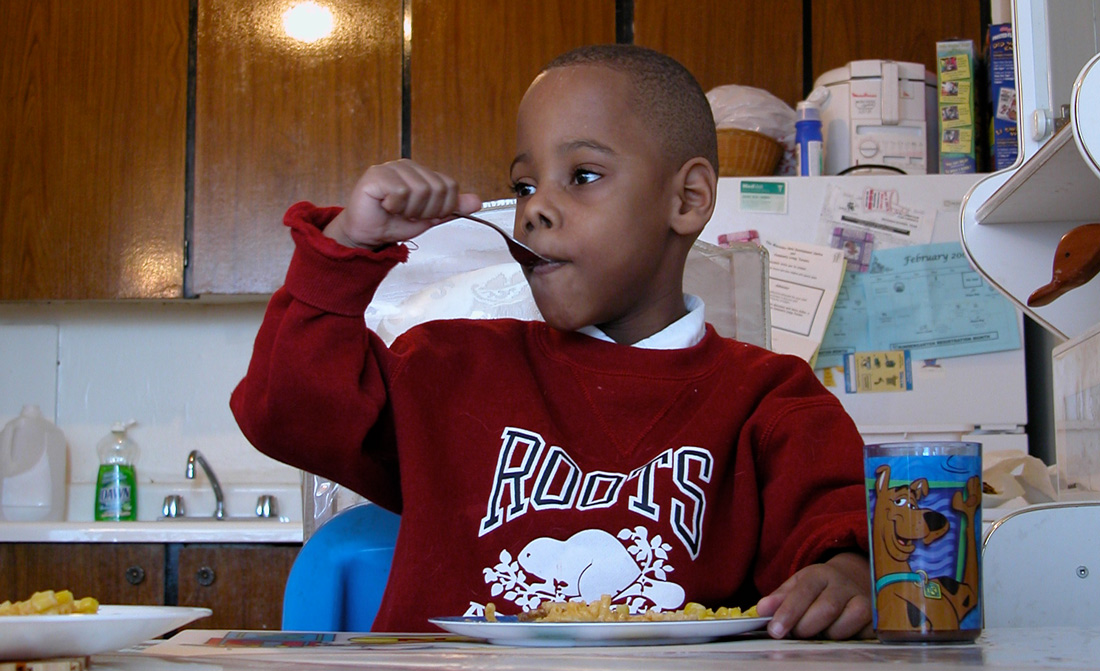
How Early Can Signs of Autism Appear?
How early can signs of autism appear? Some characteristics can emerge during infancy, although parents may only recognise them clearly as their child grows. WHO recommends monitoring child development through routine maternal and child healthcare.
Early Social and Communication Differences
Parents may notice limited eye contact, reduced social smiling, little back-and-forth interaction, or limited use of gestures such as pointing and waving.
Repetitive Behaviours and Strong Interests
Some children may repeat movements, focus strongly on particular objects, or use toys in repetitive ways.
Sensory Differences and Unusual Responses
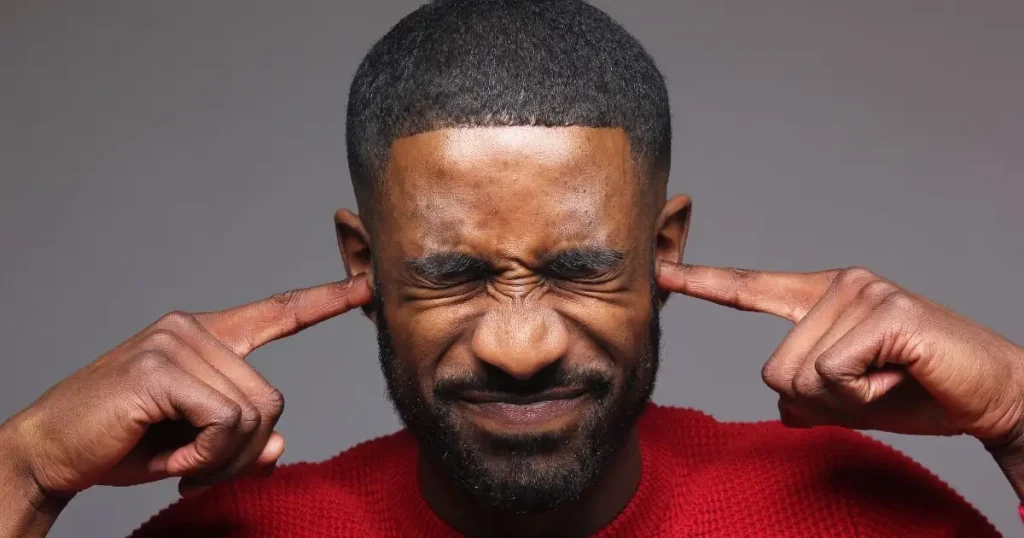
A child may react strongly to sounds, lights, textures, smells, or touch. Some children may also seek particular sensory experiences.
Differences in Play and Social Interaction
Limited pretend play, reduced interest in social games, or difficulty joining interactions can provide additional developmental clues.
These characteristics can also occur in children without autism, so parents should avoid making conclusions from one behaviour.
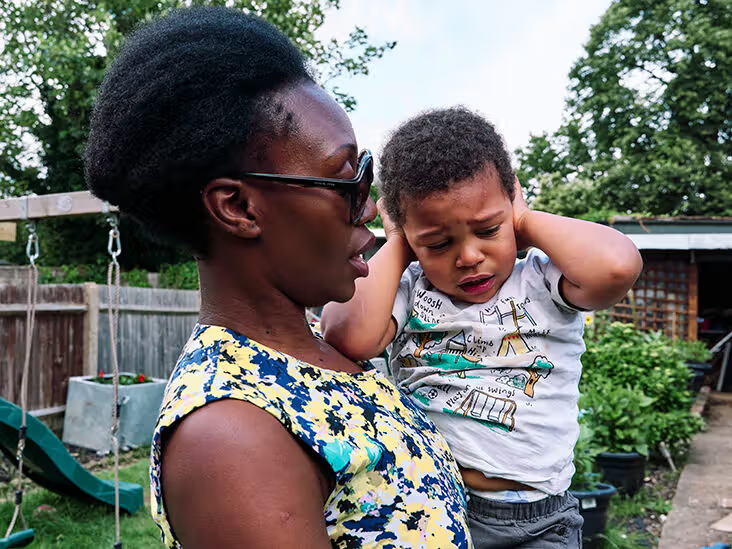
How to Detect Early Signs of Autism
Knowing how to detect early signs of autism starts with understanding your child's development and watching for consistent patterns.
#1. Track Developmental Milestones
Pay attention to communication, gestures, play, social interaction and other developmental skills. WHO recommends developmental monitoring as part of routine child healthcare.
#2. Notice Changes in Communication and Behaviour
Keep a simple record of concerns, including when they occur and whether your child's skills change over time. This information can help a healthcare professional understand the child's development.
#3. Use Autism Screening Tools
Validated screening tools can help identify children who may need further assessment. The American Academy of Pediatrics recommends autism-specific screening during the 18- and 24-month periods.
Screening does not provide a diagnosis. It simply helps determine whether a professional assessment could help.
#4. Seek a Professional Developmental Assessment
Parents should not wait for a child to reach a particular age if developmental concerns arise. A paediatrician or appropriately trained developmental professional can assess the child's communication, behaviour and developmental history.
Early Autism Signs Parents Should Not Ignore
Several characteristics occurring together deserve closer attention, especially when they affect communication, relationships or everyday activities.
Limited Eye Contact or Social Smiling
A child may rarely use eye contact to communicate or show limited social responses to familiar people.
Little Response to Name or Gestures
Consistently ignoring their name or using few gestures such as pointing, waving or showing objects can warrant developmental review.
Delayed Speech or Communication
Limited babbling, few words or difficulty communicating needs may require assessment. Speech delay alone does not confirm autism.
Repetitive Movements or Behaviours
Repeated body movements, repetitive play or intense interest in particular objects may occur alongside other autistic characteristics.
Strong Distress Around Changes
Some children experience significant distress when routines, activities or familiar surroundings change.
Loss of Previously Learned Skills
A noticeable loss of language, social or communication skills deserves prompt medical attention rather than a wait-and-see approach.
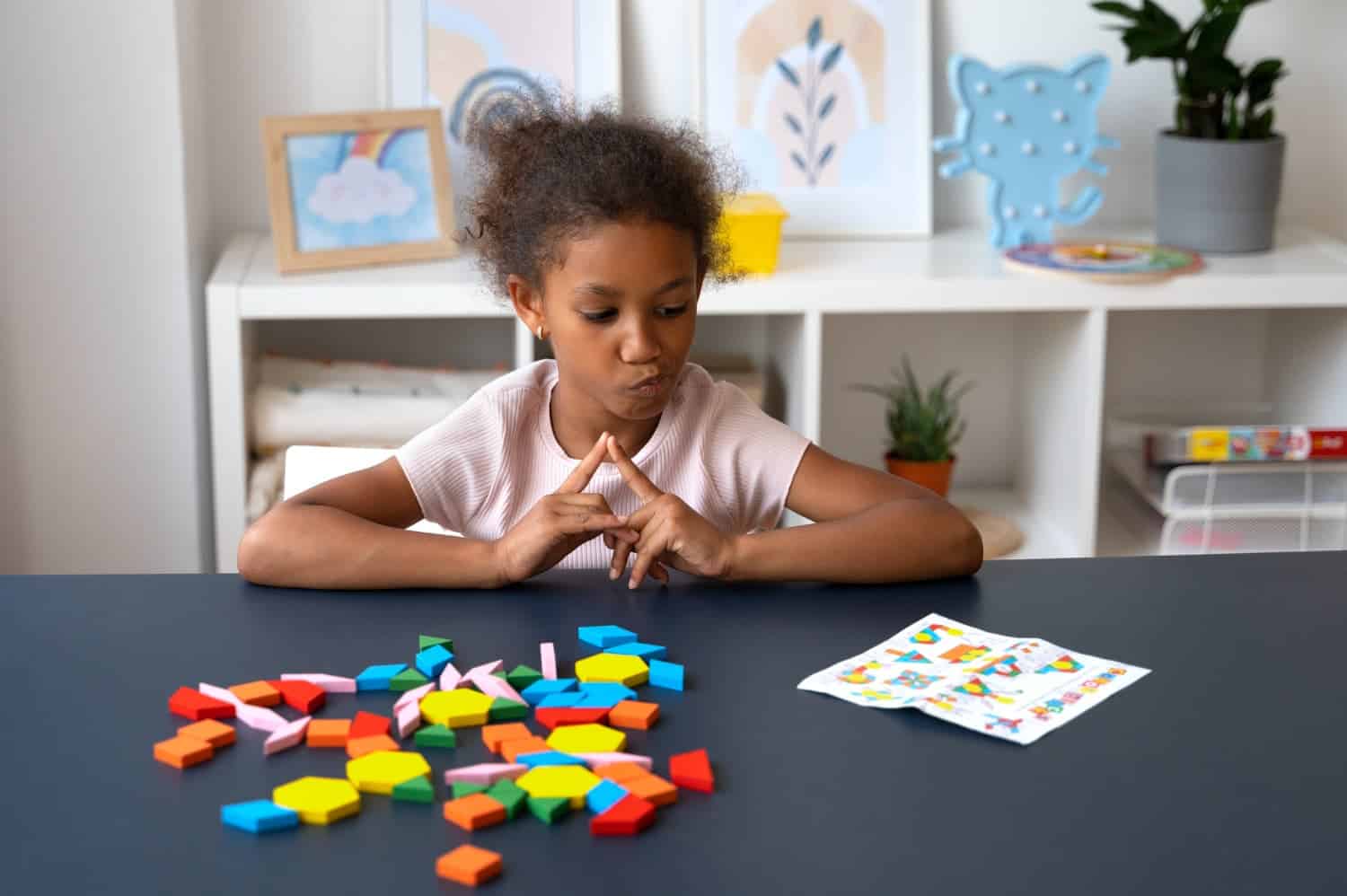
How Autism Is Diagnosed in Young Children
Autism diagnosis involves more than checking one behaviour. A qualified professional considers a child’s development, communication, social interaction, behaviour and developmental history to understand the child as a whole.
Developmental and Behavioural Screening
Screening helps identify children who may need a closer assessment. The American Academy of Pediatrics recommends developmental screening at 9, 18 and 30 months, with autism-specific screening at 18 and 24 months.
A screening result does not confirm autism. It simply helps determine whether further evaluation could help.
What a Professional Assessment Involves
A formal assessment may involve observing the child, speaking with parents or caregivers, reviewing developmental history and using structured assessment tools. Professionals may include a developmental paediatrician, child psychologist, speech-language therapist or occupational therapist.
For African families, access may differ between countries and communities. Parents can start with a paediatrician or qualified child-development professional and request appropriate referrals when needed.
Can Autism Be Reliably Diagnosed Before Age 2?
Yes. WHO notes that autism can generally be diagnosed around age 2, although recognition before 12 months can prove difficult.

Why Early Autism Identification Matters
Early identification gives families more time to understand a child's strengths and support their needs. WHO recommends monitoring child development through routine healthcare and notes that timely, evidence-based interventions can improve communication, social interaction and quality of life.
Starting Support as Early as Possible
Early recognition can help families access appropriate developmental, educational and communication support sooner rather than waiting for difficulties to become more pronounced.
Supporting Communication and Development
Support can focus on communication, social participation, learning, daily skills and other areas important to the individual child. WHO recommends evidence-based psychosocial interventions for autistic children.
Helping Families Understand Their Child's Needs
A clear assessment can replace uncertainty with useful information. It can also help parents, teachers and healthcare professionals work toward consistent support at home, school and within the community.
How Africa Autism Alliance Supports Families
Autism Awareness and Education
Africa Autism Alliance provides accessible information that helps families understand autism, recognise developmental concerns and make informed decisions.
Early Identification Resources for Parents
Families can use educational resources from Africa Autism Alliance to learn more about early autism signs and when professional guidance may help.
Connecting Families With Reliable Information
The Alliance promotes greater autism understanding and inclusion across Africa, helping families find trustworthy knowledge rather than relying on myths or stigma.
Talk to usFrequently Asked Questions About Early Autism Signs
At what age does autism appear?
Autism characteristics can emerge during early childhood. Some children show differences during the first two years, while others become easier to identify later.
How early can signs of autism appear?
Some signs can become noticeable during infancy, although reliable recognition becomes easier as children develop more social and communication skills.
What are the first signs of autism in babies?
Possible early signs include limited social interaction, reduced eye contact, limited response to people and differences in communication or gestures.
Can autism signs appear after age 2?
Yes. Some children show clearer characteristics later, particularly when social and communication demands increase.
Can a child show autism signs and still develop normally?
Children can show individual behaviours associated with autism without having autism. Professional assessment provides a clearer answer.
Does delayed speech always mean autism?
No. Speech delay can have many causes. Other developmental characteristics and the child's overall history also matter.
Can autism signs disappear or change over time?
Some characteristics can change as children develop. Some children can also experience regression involving previously acquired skills.
How can parents detect early signs of autism?
Monitor developmental milestones, notice persistent differences and discuss concerns with a qualified healthcare professional.
When should I seek an autism assessment?
Seek professional advice whenever you have ongoing concerns about communication, social development, behaviour or a loss of previously acquired skills.
Can autism be diagnosed before age 2?
Yes. WHO states that diagnosis can generally become possible around age 2.