Many families notice certain behaviours in boys and men but struggle to understand what they mean. Missed communication cues, strong attachment to routines, sensory sensitivities, emotional frustration, or difficulty building relationships often leave parents, partners, teachers, and even the individual searching for answers. Learning to recognise autism symptoms in guys and autism symptoms in male individuals can open the door to earlier support and a better quality of life. Research published in The Lancet Psychiatry estimates that around 61.8 million people worldwide live with autism. Despite growing awareness, many boys and men still remain undiagnosed or receive support much later, especially in regions with limited autism services. Early recognition helps families replace confusion with understanding and confidence.
Could repeated routines, intense interests, or discomfort in social situations point to autism? Why do some boys receive a diagnosis during childhood while many men only discover autism later in life? How can parents, caregivers, teachers, or partners recognise the difference between normal personality traits and signs that deserve professional attention? Which behaviours commonly appear in autistic males, and when should someone seek an autism assessment?
This guide answers those questions using clear, practical information designed for families across Africa. You will learn how autism symptoms in guys and autism symptoms in male individuals may appear during childhood, adolescence, and adulthood, understand when professional assessment becomes important, and discover ways to provide meaningful support at home, school, work, and within the community. We remain committed to promoting autism awareness, empowering families with trusted resources, and advocating for inclusive communities where autistic boys and men receive the understanding, respect, and opportunities they deserve.
Talk to a health specialistEarly Autism Symptoms in Male Children
Early recognition gives children a better chance to receive timely support. Every child develops at a different pace, so one sign alone does not confirm autism. A combination of ongoing behaviours often gives healthcare professionals a clearer picture.
#1. Social Communication Differences
Young boys with autism may communicate differently from other children of the same age.
Common signs include:
- Limited eye contact during conversations
- Difficulty understanding facial expressions or body language
- Taking words very literally
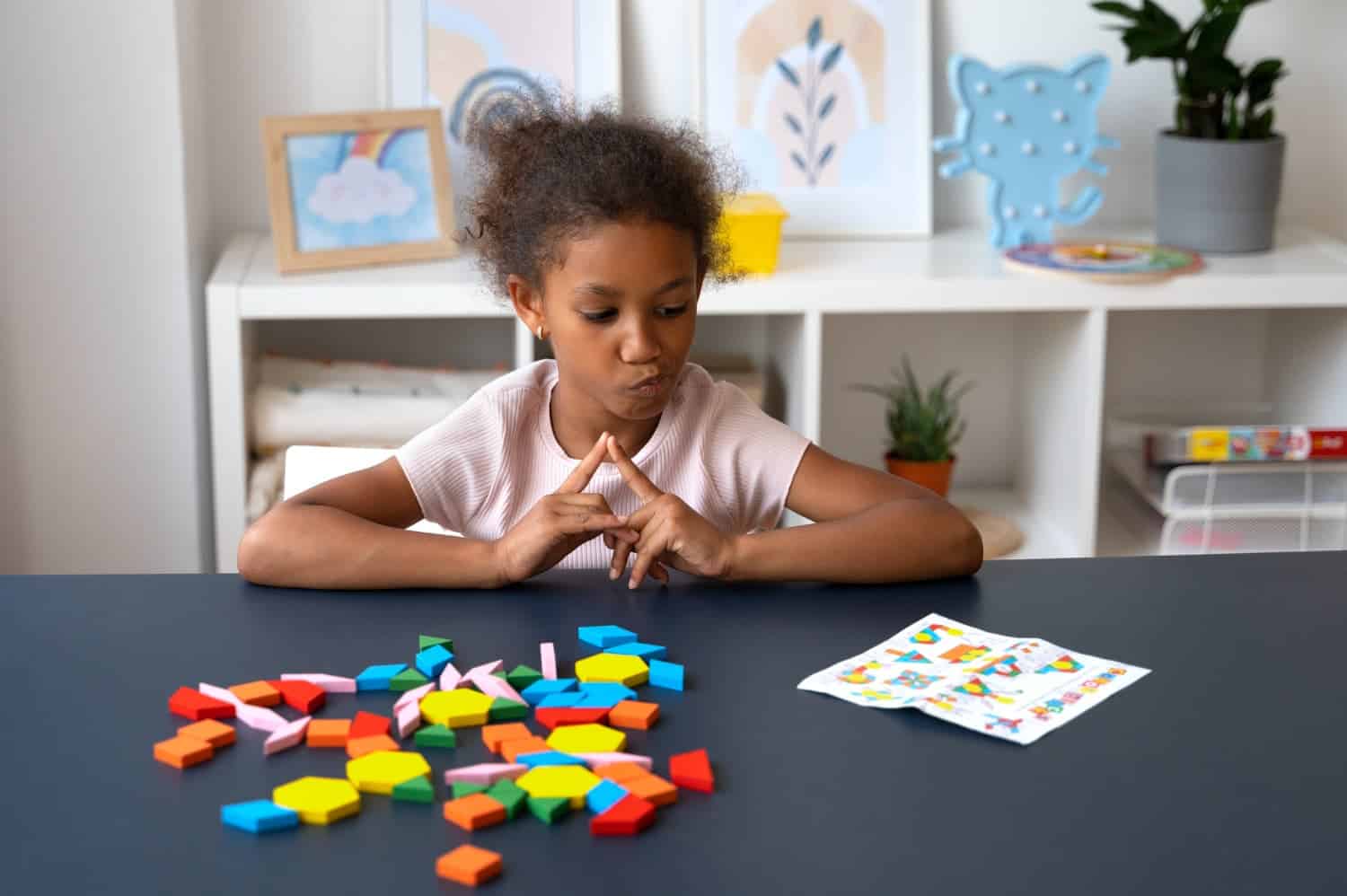
- Preferring to play alone most of the time
- Finding it difficult to start or maintain conversations
- Responding less to their name or social interaction
#2. Repetitive Behaviours and Strong Interests
Many autistic children enjoy routines and repeated activities that help them feel comfortable.
Examples include:
- Repeating words, sounds, or movements
- Lining up toys or arranging objects repeatedly
- Becoming deeply interested in one topic
- Playing with toys in the same way every time
- Feeling upset when routines suddenly change
#3. Sensory Sensitivities in Everyday Life
Sensory experiences can feel much stronger or much weaker for autistic children.
Some children may:
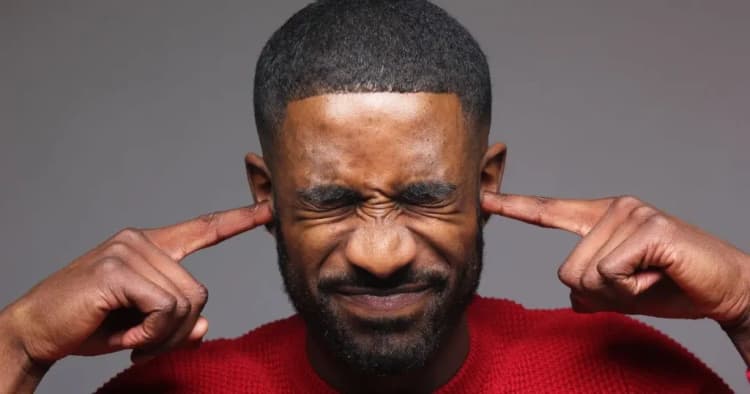
- Cover their ears around loud sounds
- Avoid certain clothing textures
- Reject foods with particular smells or textures
- Feel overwhelmed in crowded places
- Seek movement, pressure, or spinning activities
#4. Emotional and Behavioural Signs
Emotional responses may look different from those of other children.
Possible signs include:
- Frustration during unexpected changes
- Difficulty expressing emotions with words
- Emotional meltdowns after sensory overload
- Trouble switching between activities
- Anxiety in unfamiliar places or situations
Parents who notice several of these behaviours over time should discuss their concerns with a qualified developmental paediatrician, psychologist, psychiatrist, or speech and language therapist for a full assessment.

Autism Symptoms in Guys During the Teenage Years
Teenage years bring new social expectations, school responsibilities, and emotional changes. Those demands can make autism symptoms in guys easier to notice, especially if earlier signs received little attention.
#1. Social and Friendship Challenges
Teenage boys often want friendships but may struggle with the unwritten rules of social interaction.
Common challenges include:
- Finding small talk difficult
- Missing jokes, sarcasm, or hidden meanings
- Preferring one or two close friends
- Feeling exhausted after social events
- Struggling to understand peer expectations
#2. Changes During Puberty
Puberty introduces emotional, physical, and social changes that many autistic teenagers find difficult to manage.
Some teenagers may experience:
- Increased anxiety
- Greater need for routines
- Emotional overwhelm during stressful situations
- Confusion about changing friendships
- Difficulty understanding romantic relationships
#3. School and Daily Life Difficulties
School demands often increase during adolescence.
Teenage boys may:
- Perform very well in favourite subjects
- Struggle with planning and organisation
- Find group projects stressful
- Feel overwhelmed in noisy classrooms
- Experience bullying or social isolation
- Avoid school due to anxiety or sensory overload
Teachers who recognise these challenges can provide appropriate classroom adjustments that improve learning and participation. Inclusive education also aligns with the United Nations Convention on the Rights of Persons with Disabilities (UNCRPD), which promotes equal access to education for learners with disabilities.

Autism Symptoms in Adult Males
Many adults only recognise their autistic traits after years of feeling different. Some receive a diagnosis after their child receives one or after seeking help for workplace, relationship, or mental health challenges.
#1. Social Communication Challenges
Adult men with autism often communicate honestly and directly but may struggle with social expectations.
Common signs include:
- Difficulty reading body language
- Taking language literally
- Finding casual conversation tiring
- Preferring meaningful discussions over small talk
- Limited eye contact during conversations
- Difficulty expressing feelings
#2. Sensory Processing Differences
Sensory sensitivities often continue into adulthood.
Many autistic men may:
- Feel overwhelmed in crowded environments
- Avoid bright lights or loud sounds
- Notice smells or textures more intensely
- Wear certain clothing for comfort
- Need quiet spaces after busy days
#3. Preference for Routine and Predictability
Routine often provides stability and reduces stress.
Many adults prefer:
- Fixed daily schedules
- Planning activities in advance
- Familiar environments
- Clear instructions at work
- Predictable routines instead of sudden changes
Unexpected disruptions can increase anxiety or make it difficult to focus.
#4. Emotional Regulation and Mental Wellbeing
Some autistic adults find emotional regulation challenging, particularly during stressful situations.
They may experience:
- Anxiety in unfamiliar environments
- Emotional exhaustion after social interaction
- Difficulty identifying personal emotions
- Increased stress during major life changes
- Burnout after prolonged masking or sensory overload
Mental health support should always consider autism alongside other possible conditions instead of treating symptoms separately.
#5. Special Interests and Repetitive Behaviours
Strong interests often continue throughout adulthood and can become valuable personal or professional strengths.
Examples include:
- Deep knowledge in one subject
- Enjoyment of structured hobbies
- Repetitive movements that reduce stress, sometimes called stimming
- Preference for collecting information or objects
- Exceptional attention to detail and pattern recognition
These strengths can support education, careers, and everyday life when families, employers, and communities provide understanding and reasonable support. We continue to promote autism awareness, practical resources, and inclusive communities that help autistic boys and men thrive across Africa.

Common Autism Symptoms in Male Across Different Ages
#1. Difficulty Understanding Social Cues
Many autistic boys and men find unspoken social rules difficult to understand. Social situations may feel confusing, especially when other people expect them to "read between the lines."
Common signs include:
- Missing facial expressions or body language
- Finding it difficult to know when someone wants to end a conversation
- Struggling to recognise sarcasm or teasing
- Feeling unsure about social expectations
- Taking longer to build friendships
#2. Literal Thinking and Communication
Many autistic people prefer clear and direct communication. Figurative language, jokes, or hidden meanings can create confusion.
Some signs include:
- Taking words literally
- Preferring honest and straightforward conversations
- Asking detailed questions for clarity
- Finding vague instructions difficult to follow
- Speaking at length about favourite topics
#3. Limited Eye Contact and Non-Verbal Communication
Eye contact and body language vary from one autistic person to another. Some people avoid eye contact because it feels uncomfortable, while others simply communicate differently.
Possible signs include:
- Limited or inconsistent eye contact
- Fewer hand gestures during conversations
- Difficulty interpreting facial expressions
- Speaking with a flat or formal tone
- Finding face-to-face conversations more demanding than text or written communication
#4. Strong Focus on Specific Interests
Many autistic males develop deep knowledge about subjects they enjoy. These interests often become valuable strengths in education, careers, or hobbies.
Examples include:
- Learning large amounts of information about one topic
- Spending long periods practising a favourite hobby
- Remembering facts and details easily
- Enjoying structured activities with clear goals
- Showing exceptional attention to detail
#5. Sensory Sensitivities
Sensory experiences often remain part of daily life throughout different ages.
Common examples include:
- Loud sounds causing discomfort
- Bright lights becoming distracting
- Certain clothing fabrics feeling uncomfortable
- Strong smells triggering stress
- Crowded environments leading to sensory overload
#6. Resistance to Unexpected Change
Many autistic people feel more comfortable with predictability.
Common behaviours include:
- Preferring familiar routines
- Planning activities ahead of time
- Feeling anxious when schedules suddenly change
- Finding unexpected events stressful
- Needing extra time to adjust to new environments

Why Autism Symptoms in Guys Sometimes Go Unnoticed
Many people recognise autism only after years of unanswered questions. Mild traits, strong academic performance, or limited awareness can delay recognition, especially where autism services remain limited.
#1. Symptoms That People Mistake for Personality Traits
Some autistic behaviours may appear to others as personality differences instead of developmental traits.
Examples include:
- Quiet or reserved behaviour
- Preference for spending time alone
- Strong attention to detail
- Honest communication
- Deep focus on hobbies
Those behaviours alone do not confirm autism, but a combination of traits may deserve further assessment.
#2. Learning to Mask or Hide Difficulties
Some boys and men learn to copy social behaviours in order to fit into school, work, or community settings. This coping strategy often reduces visible signs without removing the daily effort behind them.
Masking may involve:
- Copying facial expressions
- Rehearsing conversations
- Hiding sensory discomfort
- Forcing eye contact
- Avoiding situations that feel overwhelming
Long-term masking can contribute to stress, anxiety, or emotional exhaustion.
#3. Late Recognition in Adults
Many adults only begin exploring autism after noticing lifelong patterns that affect work, relationships, or parenting. Some also seek assessment after a child or family member receives an autism diagnosis.
Receiving a diagnosis later in life can improve self-understanding and open access to professional support where services remain available.
Conditions That Can Look Similar to Autism
Several conditions share symptoms with autism. A healthcare professional should always complete a full assessment before making any diagnosis. Careful evaluation helps identify the right support while avoiding incorrect conclusions.
Autism and ADHD
Autism and Attention-Deficit/Hyperactivity Disorder (ADHD) often share traits such as attention difficulties, impulsive behaviour, and executive functioning challenges. Many people live with both conditions at the same time.
Key differences often include:
|
Autism |
ADHD |
|
Strong preference for routine |
Difficulty maintaining routines |
|
Social communication differences |
Impulsive communication |
|
Restricted interests |
Frequently changing interests |
|
Sensory sensitivities common |
Sensory issues may occur but vary |
Autism and Anxiety Disorders
Anxiety can develop alongside autism or exist on its own. Social situations, unfamiliar environments, or sensory overload may increase anxiety for autistic individuals.
Anxiety alone does not explain lifelong differences in communication, sensory processing, and repetitive behaviours.
Autism and Depression
Depression affects mood, motivation, and daily functioning. Some autistic people also experience depression, especially after years of misunderstanding or limited support.
Healthcare professionals consider developmental history carefully to separate autistic traits from symptoms linked to depression.

Rights and Support for Autistic Males in Africa
Every autistic child, teenager, and adult deserves equal opportunities to learn, work, receive healthcare, and participate fully in society. Several international and African human rights frameworks encourage governments to promote inclusion, protect dignity, and improve access to services for people with disabilities, including autism.
Disability Rights and Inclusive Education
Many African countries support inclusive education through national disability policies and international agreements. Two important frameworks include the United Nations Convention on the Rights of Persons with Disabilities (UNCRPD) and the African Charter on the Rights and Welfare of the Child. These frameworks encourage equal access to education, healthcare, protection from discrimination, and participation in community life.
Workplace Rights and Community Support
Many autistic adults perform exceptionally well when workplaces provide practical adjustments such as clear communication, structured tasks, predictable routines, and supportive environments. Community organisations, schools, employers, and healthcare providers all play an important role in reducing stigma and creating inclusive spaces where autistic males can thrive.
Why Early Identification Improves Quality of Life
Early recognition helps children receive educational support sooner, while teenagers and adults gain a better understanding of their strengths and challenges. Appropriate intervention may improve communication, emotional well-being, independence, and confidence. Families also gain practical guidance that helps them provide better long-term support.
WHO explains that early identification and timely intervention improve developmental outcomes and participation throughout life.

How Africa Autism Alliance Supports Males with Autism
We work to improve autism awareness, education, advocacy, and access to trusted information across Africa. We encourage early recognition, supports families with practical resources, and promotes inclusive communities where autistic individuals receive respect, understanding, and equal opportunities.
Autism Awareness and Education
We shares reliable educational resources that help families, schools, healthcare professionals, and communities recognise autism earlier and respond with confidence.
Guidance for Individuals and Families
We connect families with practical information, professional guidance, and trusted resources that support informed decisions throughout the autism journey.
Building Inclusive Communities Across Africa
We promote acceptance, inclusion, and collaboration among schools, employers, policymakers, healthcare providers, and community leaders to improve the lives of autistic people across the continent.
Talk to usFrequently Asked Questions About Autism Symptoms in Guys
Can autism symptoms change with age?
Yes. Some symptoms become easier to manage with support and experience, while others become more noticeable as school, work, and social expectations increase.
Why do some males receive a late autism diagnosis?
Many people adapt to challenges, develop coping strategies, or receive incorrect diagnoses for other conditions. Limited autism awareness and restricted access to assessment services also contribute to delayed diagnosis.
Can autistic men live independently?
Many autistic men live independently, complete higher education, maintain careers, and build successful relationships. Individual support needs differ from person to person.
Who can diagnose autism in males?
Clinical psychologists, psychiatrists, developmental paediatricians, neurologists, and multidisciplinary autism assessment teams can diagnose autism using recognised clinical guidelines.
What happens during an autism assessment?
Healthcare professionals review developmental history, observe communication and behaviour, interview family members when appropriate, and complete structured clinical assessments before making a diagnosis.