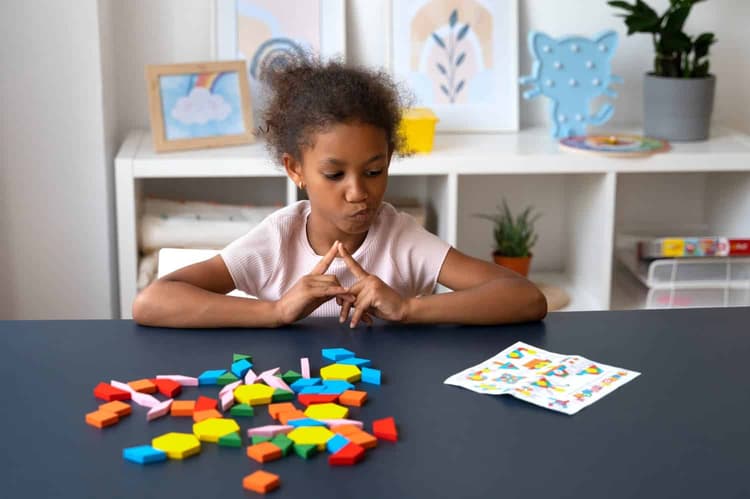
Many families search for the signs of autism in female teens after years of confusion, unanswered questions, and emotional struggles. A teenage girl may appear quiet, shy, or highly independent while silently battling sensory overload, social exhaustion, anxiety, or the constant pressure to fit in. Many girls also learn to hide autistic traits, making recognition much more difficult than many people expect. Many autistic girls spend years hiding their challenges through social masking, making autism more difficult to recognise until the teenage years or adulthood. This can delay assessment and access to appropriate support. Delayed recognition can affect education, friendships, confidence, mental wellbeing, and access to the right support, especially in many African communities where autism awareness continues to grow.
Could frequent social exhaustion point to autism? Why does a teenage girl copy other people's behaviour just to fit in? Could strong interests, sensory sensitivities, emotional burnout, or difficulty understanding friendships signal something more than ordinary teenage challenges? How can parents, teachers, and caregivers recognise early signs without making assumptions? Which professionals provide autism assessments, and when should families seek support?
This guide explains the signs of autism in female teens in simple, practical language. You will learn how autism commonly presents in adolescent girls, how those signs differ from boys, and when professional assessment becomes important. You will also discover practical advice for parents, educators, and caregivers, together with trusted resources from us that promote autism awareness, early recognition, and inclusive support for families across Africa. Early understanding can help every teenage girl receive the respect, opportunities, and support she deserves.
Check out our resourcesEarly Signs of Autism in Female Teens
Recognising the signs of autism in female teens can feel difficult because many girls learn to hide their challenges. Some may appear quiet, friendly, or highly independent while struggling with communication, sensory experiences, or emotional regulation. Early recognition helps families seek the right support and create an environment where teenage girls can thrive. The World Health Organization (WHO) encourages early identification and access to appropriate care for autistic people.

#1. Social Communication Differences
Many autistic female teens want friendships but may find social situations confusing or exhausting. Conversations, body language, and unspoken social rules often create challenges.
Common signs include:
- Difficulty understanding jokes, sarcasm, or hidden meanings
- Limited eye contact or forced eye contact
- Copying how friends speak or behave to fit in
- Taking words very literally
- Feeling exhausted after social events
#2. Emotional and Behavioural Signs
Emotions often become more difficult to manage during the teenage years. Some girls hide their feelings at school and release stress once they return home.
You may notice:
- Strong emotional reactions to small changes
- Frequent anxiety before social situations
- Perfectionism and fear of making mistakes
- Difficulty expressing feelings clearly
- Long periods of emotional exhaustion
#3. Sensory Sensitivities and Daily Challenges
Sensory differences often form some of the earliest signs of autism in female teens. Everyday experiences may feel overwhelming even when others seem comfortable.
Examples include:
|
Sensory Trigger |
Possible Response |
|
Loud noises |
Covering ears or leaving the area |
|
Bright lights |
Headaches or discomfort |
|
Clothing labels |
Refusing certain clothes |
|
Strong smells |
Feeling sick or distressed |
|
Crowded spaces |
Anxiety or shutdown |
#4. Special Interests and Repetitive Behaviours
Special interests often bring comfort and confidence. Female teens may develop deep knowledge about favourite subjects while repeating routines or small behaviours that help them stay calm.
These interests may include:
- Animals
- Music
- Art
- Books
- Fashion
- Favourite celebrities
- Nature or environmental topics
Small repetitive behaviours such as hair twirling, tapping fingers, or organising personal items may also appear. These behaviours often help reduce stress rather than seek attention.
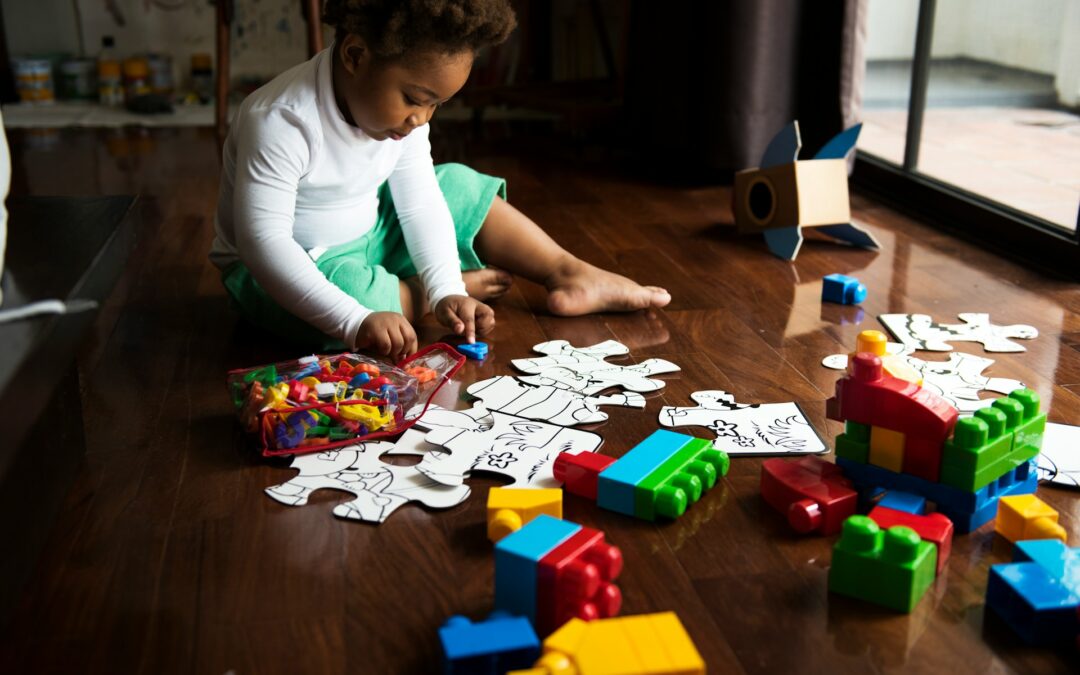
Common Signs of Autism in Female Teens
Every autistic teenager experiences autism differently. Some signs remain subtle, while others become more noticeable during puberty as schoolwork, friendships, and daily responsibilities increase. Looking at several behaviours together provides a clearer picture than focusing on only one characteristic.
#1. Difficulty Making and Keeping Friendships
Many female teens enjoy spending time with others but struggle to maintain close friendships. Social expectations can feel confusing and emotionally demanding.
Possible signs include:
- Having only one close friend
- Losing friendships suddenly
- Feeling left out during group conversations
- Finding small talk difficult
- Preferring online conversations over face-to-face interactions
#2. Masking or Hiding Autistic Traits
Many girls become experts at hiding autistic characteristics. This process, often called masking or camouflaging, can delay recognition for years.
Examples include:
- Copying classmates' behaviour
- Rehearsing conversations before speaking
- Smiling to hide confusion
- Forcing eye contact despite discomfort
- Hiding sensory difficulties
Masking often increases emotional fatigue and burnout after long school days.
#3. Strong Need for Routine and Predictability
Daily routines provide comfort and reduce uncertainty. Unexpected changes may trigger anxiety even when the change seems small.
Examples include:
- Following the same morning routine every day
- Feeling upset when plans change suddenly
- Preferring familiar places and activities
- Becoming anxious without advance notice
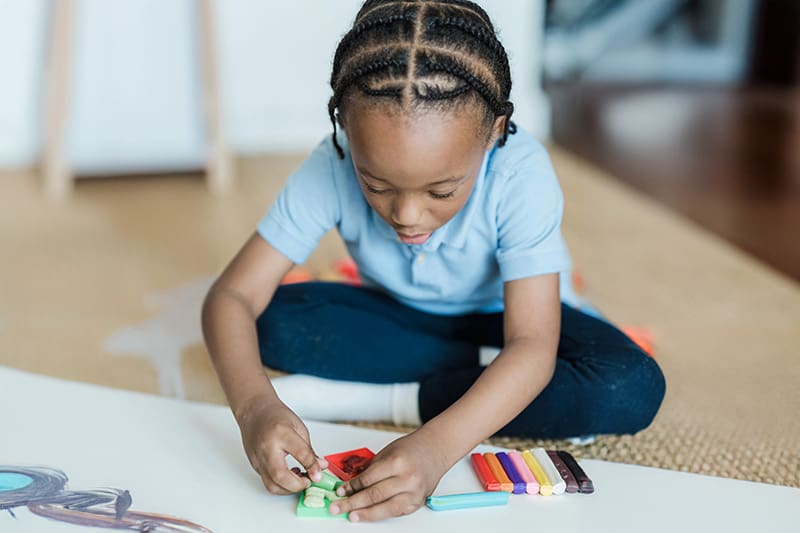
#4. Anxiety, Emotional Overload, and Burnout
Constantly trying to meet social expectations can become exhausting. Emotional overload may build slowly before reaching a breaking point.
Warning signs include:
- Feeling mentally drained after school
- Withdrawing from family or friends
- Increased irritability
- Frequent crying in private
- Needing long periods alone to recover
#5. Sensory Sensitivity to Noise, Clothing, Food, or Light
Many autistic girls react strongly to everyday sensory experiences. Certain sounds, textures, or environments may become overwhelming.
Common triggers include:
- School bells
- Crowded buses
- Bright classrooms
- Food textures
- Clothing fabrics
- Strong perfumes
#6. Intense Interests That Blend with Peers
Unlike boys whose interests sometimes stand out, female teens often choose interests that match those of friends while developing unusually deep knowledge.
Examples include:
- Reading every book from one author
- Learning everything about a favourite musician
- Spending hours creating artwork
- Researching animals or science topics
- Collecting detailed information about favourite hobbies

Signs of Autism in Female Teens at School
School often highlights the signs of autism in female teens because classrooms demand communication, organisation, teamwork, and flexibility throughout the day. Teachers and parents should look beyond academic performance, since good grades do not always reflect emotional wellbeing. Inclusive education also aligns with the African Charter on the Rights and Welfare of the Child, which supports equal educational opportunities for every child.
#1. Academic Strengths and Hidden Struggles
Many autistic female teens perform well academically but quietly struggle with daily demands.
Possible signs include:
- Excellent memory for favourite subjects
- Strong attention to detail
- Difficulty starting assignments
- Perfectionism that slows progress
- Becoming overwhelmed with multiple deadlines
#2. Social Challenges in the Classroom
Social interaction often becomes more complex during secondary school.
Challenges may include:
- Difficulty joining conversations
- Misunderstanding jokes or sarcasm
- Avoiding group discussions
- Feeling isolated during break times
- Worrying about saying the wrong thing
#3. Coping with Group Activities and School Changes
Group work and unexpected schedule changes can increase stress.
Examples include:
- Anxiety before presentations
- Difficulty sharing tasks during projects
- Feeling uncomfortable with substitute teachers
- Struggling after timetable changes
- Needing extra time to adjust to new routines
Schools that provide reasonable accommodations help autistic students participate more confidently. The United Nations Convention on the Rights of Persons with Disabilities (UNCRPD) encourages inclusive education and equal participation for learners with disabilities.

Signs of Autism in Female Teens at Home
Home often becomes the safest place for autistic female teens to release stress built up throughout the day. Parents may notice behaviours that teachers or classmates never see. Open communication and consistent support can make a significant difference.
#1. Emotional Meltdowns After School
Holding emotions inside all day can leave a teenager emotionally exhausted.
Parents may notice:
- Crying after school
- Irritability without a clear reason
- Needing quiet time alone
- Avoiding conversation immediately after arriving home
- Feeling physically exhausted after social interaction
#2. Difficulty Managing Daily Changes
Unexpected events at home may create frustration or anxiety.
Examples include:
- Becoming upset when dinner times change
- Struggling with last-minute family plans
- Preferring predictable household routines
- Feeling stressed during holidays or travel
Simple preparation and clear communication often reduce anxiety.
#3. Family Relationships and Communication
Family members sometimes misunderstand autistic behaviours as stubbornness or shyness. Honest conversations and supportive routines help build trust and confidence.
Parents can support their daughters through:
- Listening without judgment
- Giving clear and simple instructions
- Respecting sensory needs
- Creating predictable routines
- Celebrating strengths alongside challenges
Families seeking trusted guidance can turn to us for practical resources, autism education, and advocacy that promote understanding, acceptance, and inclusion across African communities.
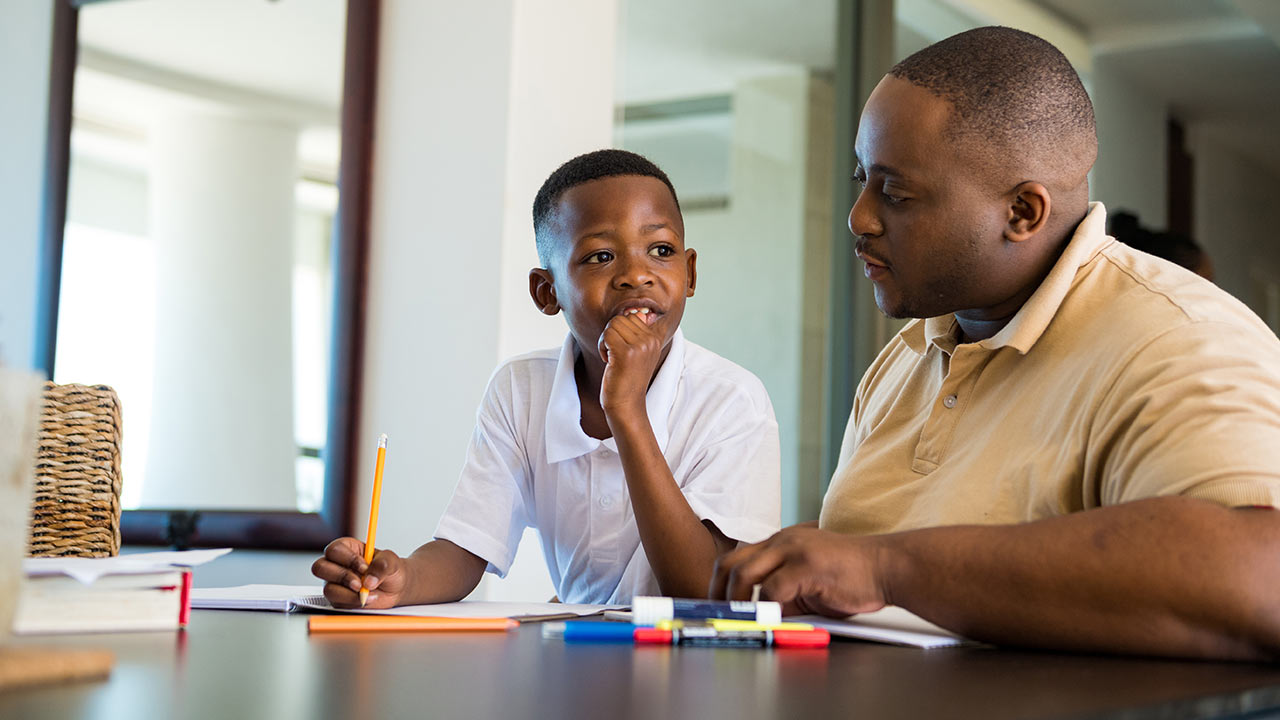
Why Autism in Female Teens Often Goes Unnoticed
Many families recognise the signs of autism in female teens much later than expected. Female teens often develop ways to hide their challenges, making autism less noticeable at home, school, or in social settings. Greater awareness helps families recognise these signs earlier and seek the right support.
Masking and Social Camouflaging
Many autistic girls consciously or unconsciously hide behaviours that might make them appear different. Although masking may help them fit in socially, it often creates emotional exhaustion.
Common examples include:
- Copying classmates' behaviour or speech
- Practising conversations before social events
- Forcing eye contact despite discomfort
- Hiding sensory sensitivities
- Smiling even when feeling overwhelmed
Long-term masking may increase stress, anxiety, and burnout.
Misdiagnosis as Anxiety or Depression
Some signs of autism in female teens closely resemble anxiety or depression. Emotional distress, social withdrawal, or exhaustion may receive treatment without recognising the underlying autism.
Professionals often consider several possibilities before making a diagnosis because more than one condition can exist at the same time. A comprehensive autism assessment helps provide a clearer understanding of a teenager's needs.
Gender Bias in Autism Recognition
Autism research and diagnostic practices historically focused more on boys, making autism in girls easier to overlook. Female teens often display less obvious repetitive behaviours while showing stronger social motivation, which may delay recognition.
Growing awareness continues to improve autism identification among girls, encouraging earlier access to appropriate support and intervention.
Signs That Can Look Like Autism but Need Professional Assessment
Several conditions share characteristics similar to autism. Looking at one behaviour alone cannot confirm an autism diagnosis. Qualified healthcare professionals consider lifelong developmental history, communication patterns, behaviour, and daily functioning before reaching a conclusion.
Autism and ADHD
Autism and Attention-Deficit/Hyperactivity Disorder (ADHD) can occur together, but they remain separate neurodevelopmental conditions.
Some shared features include:
- Difficulty focusing
- Executive functioning challenges
- Social difficulties
- Emotional regulation problems
Autistic girls often prefer predictable routines, while ADHD commonly involves impulsivity and difficulty maintaining routines.
Autism and Anxiety Disorders
Anxiety commonly affects autistic teenagers, particularly during social situations or unexpected changes. Anxiety alone, however, does not explain lifelong differences in communication, sensory processing, or repetitive behaviours.
Professional assessment helps distinguish between autism, anxiety, or both conditions together.
Autism and Social Anxiety
Social anxiety involves fear of negative judgment during social situations. Autism involves differences in understanding and navigating social communication from early development.
Some autistic girls experience both conditions at the same time, making professional evaluation especially important.
Autism and Other Mental Health Conditions
Other conditions may share some features with autism, including:
- Depression
- Obsessive-Compulsive Disorder (OCD)
- Learning disabilities
- Trauma-related conditions
Accurate assessment helps identify the right combination of supports rather than relying on assumptions.

When Should Parents Seek an Autism Assessment?
Parents do not need to wait until difficulties become severe before seeking professional advice. Early assessment provides greater clarity and opens opportunities for appropriate educational, emotional, and social support. The World Health Organization (WHO) encourages early identification and intervention to improve long-term outcomes.
Signs That Should Not Be Ignored
Parents should consider speaking with a healthcare professional if several signs continue over time.
Examples include:
- Persistent difficulty making friendships
- Strong sensory sensitivities
- Emotional meltdowns after school
- Extreme distress when routines change
- Ongoing communication challenges
- Constant masking followed by exhaustion
Who Can Diagnose Autism in Female Teens?
Only qualified professionals can diagnose autism.
Assessment may involve:
- Developmental paediatricians
- Clinical psychologists
- Child and adolescent psychiatrists
- Multidisciplinary autism assessment teams
Families should seek professionals with experience assessing autism in girls, since female presentations often differ from those seen in boys.
What Happens During an Autism Assessment?
An autism assessment usually includes several steps rather than a single test.
Professionals may:
- Discuss developmental history
- Observe communication and behaviour
- Assess sensory experiences
- Gather information from parents or caregivers
- Review school reports where appropriate
Assessment focuses on understanding strengths, challenges, and support needs rather than placing labels.

Rights and Support for Autistic Girls in Africa
Every autistic girl deserves equal access to education, healthcare, dignity, and community participation. Families across Africa can advocate for these rights using national disability laws alongside international agreements that promote inclusion.
Disability Rights and Inclusive Education
Many African countries continue strengthening inclusive education policies for children with disabilities. The United Nations Convention on the Rights of Persons with Disabilities (UNCRPD) promotes equal access to education, healthcare, and participation for people with disabilities.
The African Charter on the Rights and Welfare of the Child also encourages protection, development, and equal opportunities for every child across Africa.
Support Available for Families Across Africa
Support may include:
- Autism awareness programmes
- Parent education
- School inclusion initiatives
- Community advocacy groups
- Professional assessment and intervention services
Access varies across countries, making trusted organisations an important source of guidance.
Why Early Intervention Makes a Difference
Early intervention helps female teens develop communication, emotional regulation, social confidence, and daily living skills before challenges become more complex.
Early support can also:
- Improve school participation
- Strengthen family relationships
- Reduce emotional stress
- Build independence and confidence
- Encourage long-term wellbeing

How Africa Autism Alliance Supports Female Teens and Their Families
We work alongside families, educators, professionals, and communities to improve autism awareness and support across Africa.
Autism Awareness and Family Education
We provide reliable information that helps parents recognise the signs of autism in female teens, understand autism, and make informed decisions about support.
Resources for Parents, Schools, and Caregivers
The organisation shares practical resources that encourage inclusive learning, strengthen caregiving skills, and improve collaboration between families, schools, and healthcare professionals.
Building Inclusive Communities Across Africa
We promotes acceptance, inclusion, and equal opportunities through advocacy, partnerships, and community engagement, helping autistic girls reach their full potential across Africa.
Talk to a health specialistFrequently Asked Questions About Signs of Autism in Female Teens
Why do girls with autism often receive a late diagnosis?
Many girls learn to copy social behaviours and hide their difficulties, making autism less obvious. Healthcare professionals may also mistake autistic traits for anxiety, shyness, or other conditions, which can delay diagnosis.
How do signs of autism in female teens differ from boys?
Female teens often mask their autistic traits, maintain a few close friendships, and develop interests that appear socially typical. Boys may display more noticeable repetitive behaviours and communication differences, making autism easier to recognise in some cases.
Can autism symptoms become more noticeable during puberty?
Yes. Puberty often brings greater social expectations, emotional changes, and academic demands. These challenges can make autistic traits more noticeable, especially when masking becomes difficult to maintain.
What does masking mean in autistic girls?
Masking refers to hiding or copying behaviours to fit in socially. A teenage girl may imitate friends, rehearse conversations, or force eye contact to avoid appearing different. Masking can become mentally and emotionally exhausting over time.
Can a teenage girl have autism and still have friends?
Yes. Many autistic teenage girls have friends and enjoy social relationships. Some may prefer one or two close friendships rather than large social groups, while others may need extra time to build meaningful connections.
What conditions can look similar to autism in teenage girls?
Conditions such as ADHD, anxiety disorders, social anxiety, depression, and certain learning difficulties may share similar characteristics. Only a qualified professional can determine whether autism, another condition, or a combination of conditions best explains a teenager's experiences.
Who can diagnose autism in female teens?
Qualified professionals such as developmental paediatricians, clinical psychologists, child and adolescent psychiatrists, or multidisciplinary autism assessment teams can diagnose autism after a comprehensive evaluation.
What happens during an autism assessment for teenagers?
An autism assessment usually includes interviews with parents and the teenager, developmental history, observation of communication and behaviour, and standardised assessment tools. The goal focuses on understanding strengths, challenges, and support needs.
How can parents support a teenage girl with autism?
Parents can support their daughter through patience, predictable routines, open communication, sensory-friendly environments, and collaboration with schools and healthcare professionals. Encouragement and understanding also help build confidence and independence.
Can autistic teenage girls succeed in school?
Yes. Many autistic teenage girls perform well academically and achieve their goals with appropriate understanding and support. Reasonable accommodations, inclusive teaching, and early intervention can improve both learning and wellbeing.