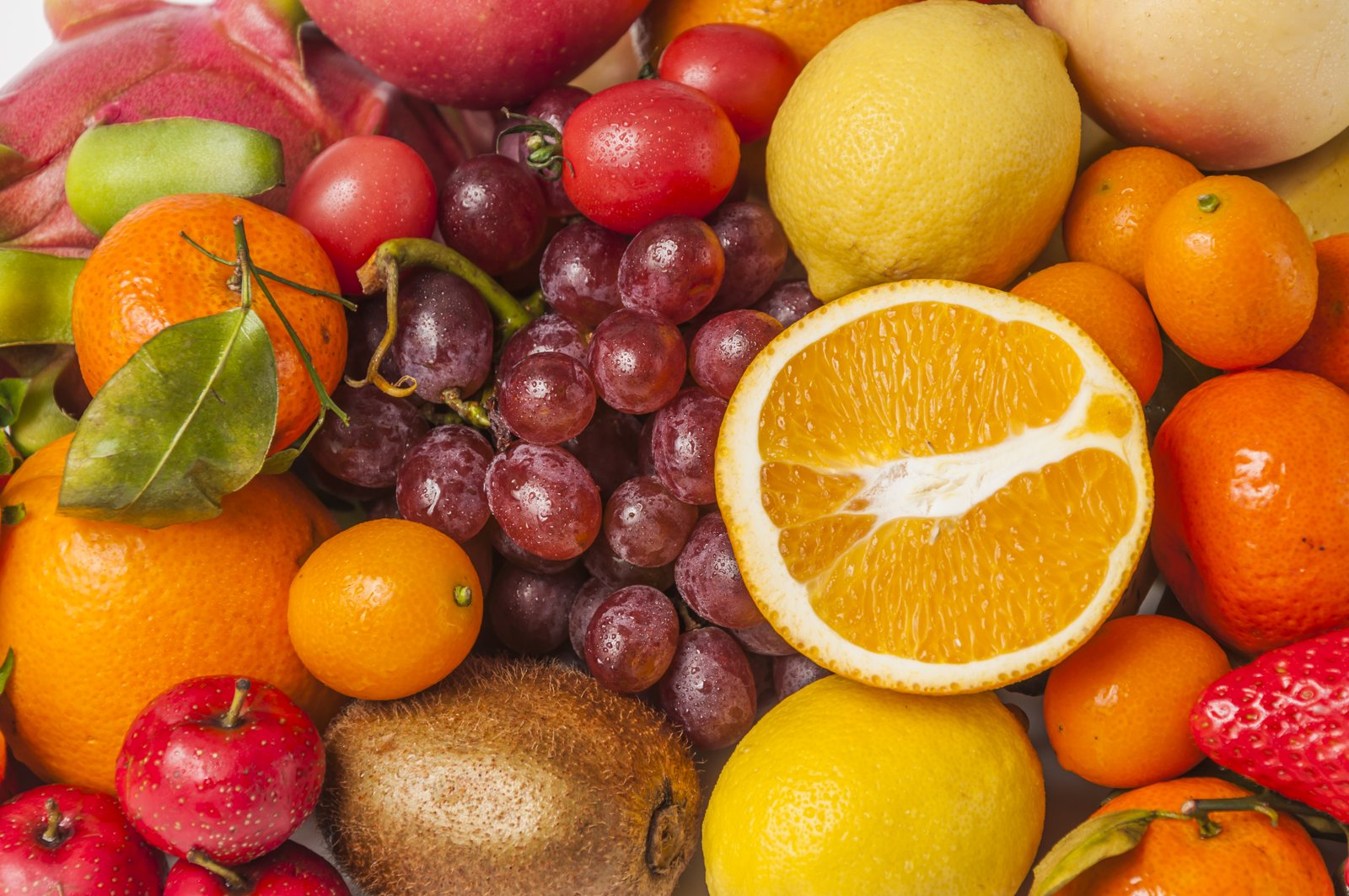
Mealtimes can turn stressful when a child accepts only a handful of foods, rejects familiar meals because of texture or smell, or becomes distressed when a preferred food disappears. Parents may wonder whether picky eating and autism connect, especially when feeding difficulties also affect family routines, school meals, growth, or nutrition. Research shows food selectivity occurs frequently among autistic children, with studies linking it to sensory differences, taste, texture, and rigid eating patterns.
Could your child eat the same food every day without complaint? Do certain colours, smells, textures, temperatures, or brands trigger refusal? Could avoiding vegetables, fruits, meat, or unfamiliar African foods affect nutrition? When should picky eating raise concern, and how can parents tell ordinary food preferences apart from autism-related autism eating habits?
In this guide we explore the connection between picky eating and autism in clear, practical form. You’ll learn why some autistic children develop restricted food preferences, which eating patterns deserve attention, how families can support healthier mealtimes without unnecessary pressure, and when professional guidance may help. We also consider the foods and family routines common across African communities, helping parents and caregivers make informed decisions while supporting each child’s individual needs.
What Does Picky Eating Mean in Autism?
Picky Eating vs Selective Eating
Picky eating often describes a child who refuses some foods but still accepts a reasonable variety. Selective eating better describes some autistic children who accept only a small group of foods and strongly reject others because of texture, smell, appearance, taste, or presentation.
How Autism Can Affect Eating Habits
Picky eating and autism can connect through sensory differences, routines, communication challenges, or discomfort during eating. A child may prefer familiar meals and struggle when parents introduce something new. These autism eating habits can vary greatly, so one child's food preferences may look very different from another's.
 Is Being Sensitive to Loud Noises A Sign of Autism?
Why Do Some Autistic Children Have Restricted Eating Habits?
#1. Sensory Differences With Food
Texture, temperature, smell, colour, and taste can strongly influence food choices. A child might accept crunchy foods but reject soft foods, or prefer foods with a consistent texture. Sensory differences can make certain meals uncomfortable rather than simply unwanted.
#2. Preference for Routine and Familiar Foods
Some children feel more comfortable when meals follow a predictable pattern. Changes to a familiar brand, recipe, plate, or preparation method may cause refusal.
#3. Difficulty With New Foods
New foods introduce unfamiliar smells, textures, colours, and tastes. A child may need repeated, low-pressure exposure before feeling comfortable enough to taste something unfamiliar.
#4. Gastrointestinal Problems and Eating Difficulties
Stomach discomfort can also affect eating. Constipation, reflux, abdominal pain, or diarrhoea may make meals unpleasant. Some autistic children may struggle to explain this discomfort, especially when communication difficulties exist.
Parents should discuss persistent digestive symptoms with a paediatrician rather than assuming food refusal comes from autism.
#5. Oral Motor and Chewing Challenges
Some children struggle with chewing, biting, or moving food around the mouth. These difficulties can make harder foods uncomfortable and encourage a preference for softer meals. An occupational therapist, speech and language therapist, or other qualified professional can assess feeding and oral-motor concerns.
 Autism Symptoms in Males to Watch Out For | Health Guide
Common Autism Eating Habits Parents May Notice
Parents may notice patterns such as:
- Eating only a small number of foods.
- Rejecting foods because of texture, smell, colour, or temperature.
- Wanting meals prepared in exactly the same way.
- Becoming distressed when different foods touch.
- Accepting only particular brands or familiar products.
- Eating the same meal repeatedly.
- Refusing foods that previously caused discomfort.
- Showing strong preferences for crunchy, soft, dry, or smooth foods.
These behaviours alone cannot confirm autism. Professionals consider eating patterns alongside the child's wider development and health.
How Picky Eating Can Affect an Autistic Child’s Health
#1. Nutritional Gaps
A very limited diet can reduce intake of important nutrients. Removing entire food groups may increase the risk of nutritional deficiencies, particularly when a child eats very few foods.
#2. Growth and Development
Children need adequate energy, protein, vitamins, minerals, and other nutrients for healthy growth. Persistent food restriction can affect weight gain and development, making professional nutritional advice important when concerns arise.
The World Health Organization (WHO) highlights the importance of appropriate health and support services for autistic people.
#3. Mealtime Stress and Family Routines
Restricted eating can turn ordinary family meals into stressful events. Parents may worry about whether their child has eaten enough, while children may experience pressure around unfamiliar foods. A calm, predictable approach can help reduce conflict.
 Signs of Autism in Female Teens | Health Guide
When Food Restriction Becomes a Health Concern
Seek professional advice when a child:
- Eats an extremely small range of foods.
- Loses weight or struggles to grow.
- Shows persistent stomach or bowel problems.
- Frequently chokes, gags, or struggles to chew.
- Becomes highly distressed around meals.
- Eats non-food items.
How Parents Can Encourage New Foods
Start With Familiar Foods
Connect new foods with foods your child already accepts. For example, if your child likes rice, you could gradually introduce rice with a small portion of vegetables, beans, or a familiar protein. Familiar smells, textures, and presentation can make change feel less difficult.
Introduce New Foods Gradually
Small steps often work better than expecting a child to eat a full serving immediately. Let your child first look at, smell, touch, or taste a new food. Repeated, pressure-free exposure can help build familiarity over time.
Give Your Child Safe Choices
Offer two suitable options rather than asking an open-ended question. For example, ask whether your child prefers banana or orange with breakfast. This gives the child some control while still encouraging variety.
 Autism Symptom Checklist for Adults | Full Guide
Make Mealtimes Predictable
Keep meals and snacks around consistent times. A predictable routine can reduce uncertainty and help children understand what to expect.
Involve Children in Food Preparation
Simple tasks such as washing vegetables, stirring food, choosing fruit, or arranging food on a plate can increase familiarity. Parents can also introduce new foods during shopping or cooking before expecting the child to taste them.
Use Positive and Neutral Food Language
Avoid describing foods as “bad” or using pressure to make a child eat. Talk about taste, texture, colour, smell, or what the food provides. Positive encouragement can make exploration feel safer.
 Best Daily Routines for Autism in Children
What Parents Should Avoid During Mealtimes
Avoid Forcing Children to Eat
Forcing food can increase distress and make mealtimes more difficult. Encourage exploration without turning every new food into a demand.
Avoid Using Food as a Punishment
Removing meals or preferred foods as punishment can create additional anxiety around eating. Keep discipline separate from feeding.
Avoid Making Every Meal a Battle
A calm approach helps protect the relationship between the child and food. Parents can set reasonable expectations while allowing the child time to adjust.
Avoid Removing All Preferred Foods at Once
Preferred foods can provide a reliable source of nutrition while families work towards greater variety. Remove foods only when a healthcare professional recommends a specific change.
 Best Autism Toys for Sensory, Learning, and Play Support
Supporting Healthy Eating in African Families
Adapting Familiar African Foods
Healthy eating does not require families to abandon familiar meals. Parents can adapt foods such as rice, beans, yam, plantain, potatoes, vegetables, fish, eggs and other locally available foods according to the child's needs and accepted textures.
The WHO recommends a varied diet containing different food groups to support healthy growth and development.
Building Variety Around Foods Your Child Accepts
Start with foods the child already tolerates and gradually expand within the same food group. A child who accepts soft yam, for example, may eventually explore other soft or similarly prepared foods.
Supporting Children at Home and School
Parents can share useful feeding information with teachers and caregivers. Consistent routines and clear communication can prevent unnecessary pressure during school meals.
Respecting Cultural Food Preferences
African families have diverse cuisines, traditions, and mealtime routines. Healthy autism eating habits should fit the family's culture while still meeting the child's nutritional needs.
 How to Become a Certified Autism Specialist
How Africa Autism Alliance Supports Families
Autism Awareness and Reliable Information
We help families access clear, practical information about autism, including everyday challenges that can affect children and caregivers.
Guidance for Parents and Caregivers
Families can use reliable information to better understand autism-related needs and make informed decisions about seeking professional support.
Promoting Inclusive Communities Across Africa
We promote greater awareness, understanding and inclusion so autistic children and their families can participate more fully in home, school and community life.