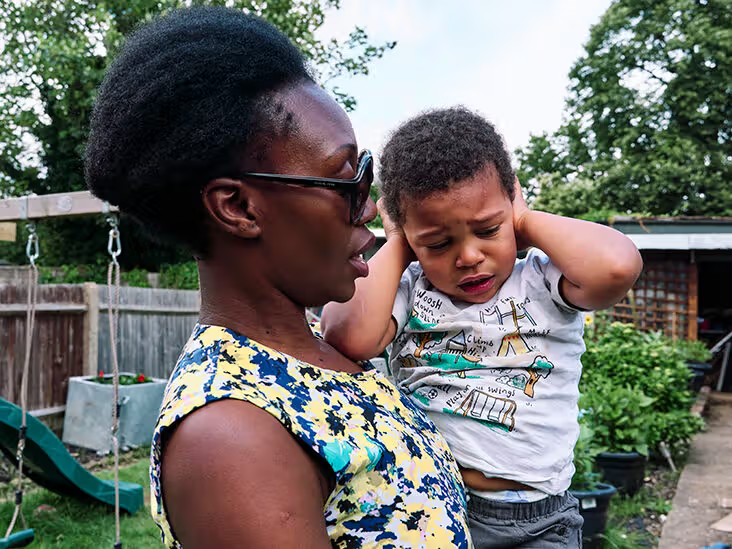
Many parents notice their child covering their ears, crying during school assemblies, avoiding busy markets, or becoming distressed when a motorcycle passes. Such moments often lead to one important question: is being sensitive to loud noises a sign of autism? Sound sensitivity can appear in autistic people, although it does not confirm autism on its own. Research suggests that hyperacusis, a reduced tolerance to everyday sounds, affects about 41% of autistic individuals at any given time, while many experience it at some point during their lives. This sensory difference can make ordinary sounds feel overwhelming, painful, or exhausting, affecting learning, communication, sleep, and family life. Many children across Africa remain undiagnosed due to limited awareness and access to assessment services, making early recognition even more important.
Many families also wonder whether sound frequency for autism differs from person to person, whether certain noises trigger stronger reactions than others, and is sound sensitivity a sign of autism or simply part of normal childhood development? Could loud noises point to another condition such as anxiety, ADHD, hearing difficulties, or Sensory Processing Disorder? When should parents seek an autism assessment, and what practical steps can help children feel calmer and safer in noisy environments?
This guide answers those questions using trusted, research-backed information. You will learn why some children react strongly to everyday sounds, how healthcare professionals assess sensory differences, and when sound sensitivity may require further evaluation. You will also discover practical coping strategies, understand the support available across Africa, and learn how we help families access reliable autism education, awareness, and guidance for early intervention.
What Does Sound Sensitivity Mean?
Sound sensitivity means everyday noises feel much louder, more uncomfortable, or even painful than they do for most people. Some children and adults cover their ears, leave noisy places, cry, become anxious, or struggle to concentrate when certain sounds occur. Others may freeze, avoid busy environments, or become upset when they hear sudden noises. Although many people ask, is sound sensitivity a sign of autism, this symptom alone cannot confirm autism. Persistent reactions that interfere with daily life deserve professional attention.
Normal Sound Sensitivity or Something More?
Most people dislike loud or unpleasant noises occasionally. Frequent reactions that interrupt learning, communication, work, sleep, or social activities may suggest an underlying sensory or medical concern. Parents should pay attention to which sounds trigger discomfort, how often the behaviour happens, and whether the reactions become stronger over time. These observations can help healthcare professionals understand the child's needs.
How the Brain Processes Sound
The brain receives and filters thousands of sounds every day, helping people focus on important information while ignoring background noise. Some autistic individuals process sound differently, making ordinary noises feel overwhelming or difficult to filter out. Sensory processing differences form part of the diagnostic criteria for autism in the Diagnostic and Statistical Manual of Mental Disorders (DSM-5-TR) published by the American Psychiatric Association.
Is Being Sensitive to Loud Noises a Sign of Autism?
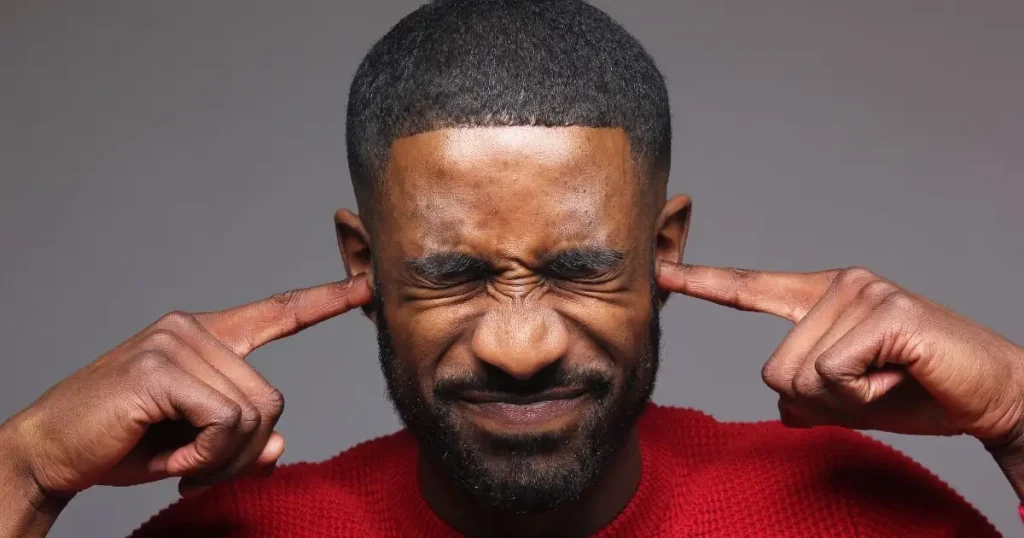
Yes, being sensitive to loud noises can be a sign of autism, but no single behaviour confirms autism. Healthcare professionals consider sound sensitivity alongside social communication, behaviour, sensory processing, developmental history, and everyday functioning before making a diagnosis. Looking at the complete developmental picture leads to a more accurate assessment than focusing on one symptom alone.
Why Sound Sensitivity Happens in Autism
Many autistic people experience sensory processing differences that affect how the brain responds to sound. Loud music, school bells, traffic, crowded markets, or sudden noises may overwhelm the nervous system and trigger distress. Some individuals experience hyperacusis, a condition that makes everyday sounds feel unusually loud or uncomfortable. According to the World Health Organization (WHO), sensory differences commonly occur in autistic people and form part of the broader autism profile.
Understanding Sound Frequency for Autism
Many people search for sound frequency for autism, expecting one specific frequency linked to autism. Current research does not support that idea. No single sound frequency causes, diagnoses, or treats autism. Some autistic individuals react strongly to high-pitched alarms, whistles, hand dryers, or electronic beeps, while others struggle with low-frequency sounds, background noise, or several sound types at once. Every sensory profile remains unique.
Why Sound Sensitivity Alone Cannot Confirm Autism
Children without autism may also react strongly to loud sounds. Anxiety, temporary illness, hearing conditions, sensory processing differences, or stressful environments can produce similar behaviours. A comprehensive developmental assessment provides the most reliable way to identify the underlying cause.
Common Causes of Sound Sensitivity
Several conditions can increase sensitivity to everyday sounds. Understanding the underlying cause helps families choose appropriate support instead of relying on assumptions or isolated symptoms.
#1. Autism and Sensory Processing Differences
Autistic people often process sensory information differently from others. Everyday sounds may distract, overwhelm, or cause discomfort during school lessons, shopping trips, family gatherings, or religious services. These experiences vary from one person to another.
#2. Hyperacusis
Hyperacusis refers to unusually high sensitivity to sound. Common environmental noises may feel painfully loud even though people nearby remain comfortable. Children with hyperacusis often avoid noisy environments or react immediately when exposed to certain sounds.
#3. Anxiety and Emotional Stress
Anxiety can heighten awareness of surrounding sounds. Busy environments, unfamiliar situations, or emotional stress may increase sensitivity and make ordinary background noise harder to tolerate.
#4. Hearing Conditions and Medical Causes
Ear infections, migraines, tinnitus, hearing disorders, or certain medical conditions can also increase sound sensitivity. Sudden changes in hearing or persistent discomfort should receive prompt medical evaluation to identify possible physical causes.
Signs That May Appear Alongside Sound Sensitivity
Sound sensitivity becomes more meaningful when it appears together with other developmental differences. Healthcare professionals assess a child's overall development instead of relying on one behaviour.
|
Sign |
What parents may notice |
|
Social communication differences |
Limited eye contact, delayed speech, difficulty understanding conversations, or challenges reading social cues. |
|
Repetitive behaviours |
Hand flapping, rocking, spinning, repeating words, or other forms of self-stimulatory behaviour (stimming). |
|
Sensory differences |
Strong reactions to bright lights, clothing textures, food textures, smells, touch, or movement alongside sound sensitivity. |
|
Preference for routine |
Distress after unexpected changes, strong preference for predictable routines, or intense interest in specific topics or activities. |
These behaviours do not confirm autism on their own. A qualified healthcare professional should complete a comprehensive developmental assessment before reaching any diagnosis.
Conditions That Can Also Cause Sound Sensitivity
Sound sensitivity does not always point to autism. Several health and developmental conditions can lead to similar reactions. A proper assessment helps identify the real cause and guides the right support.
#1. Sensory Processing Disorder (SPD)
Children with Sensory Processing Disorder (SPD) may struggle to organise and respond to sensory information. Everyday sounds may feel overwhelming even when autism does not exist. Many children benefit from sensory support after professional assessment.
#2. Anxiety Disorders
Anxiety can make the brain stay alert to potential threats. Ordinary sounds may feel louder or harder to ignore during stressful situations. Many children show fewer reactions once anxiety receives proper treatment and support.
#3. Hyperacusis Without Autism
Hyperacusis refers to reduced tolerance for everyday sounds. Children and adults with hyperacusis may find common noises physically uncomfortable or painful without meeting the criteria for autism. An audiologist or ear specialist can help investigate this condition.
#4. Hearing Disorders and Medical Conditions
Certain medical conditions, including ear infections, migraines, tinnitus, hearing loss, or side effects from some medications, can increase sound sensitivity. A medical examination helps rule out these causes before reaching conclusions about autism.
Why Professional Assessment Matters
No single symptom confirms autism. Healthcare professionals consider communication, behaviour, development, sensory processing, and medical history before making a diagnosis. The World Health Organization (WHO) also encourages early identification and appropriate support for autistic individuals.
When Should Parents Seek Professional Advice?
Early support often helps children develop practical skills and reduces everyday challenges. Parents should seek professional advice when sound sensitivity continues or begins affecting normal development.
#1. Signs That Need Medical or Developmental Assessment
Consider an assessment when a child frequently covers their ears, avoids everyday environments, becomes distressed around common sounds, or reacts strongly without an obvious reason.
#2. When Sound Sensitivity Affects Daily Life
Professional advice becomes important when sound sensitivity interferes with learning, communication, sleep, family activities, or participation at school, places of worship, or community events.
#3. Who Can Assess Sound Sensitivity and Autism?
Assessment may involve a paediatrician, developmental paediatrician, psychologist, psychiatrist, audiologist, speech and language therapist, or occupational therapist. Some children benefit from input across several professionals to reach an accurate diagnosis.

Practical Ways to Support Children with Sound Sensitivity
Small changes at home, school, and in the community can help children feel more comfortable without removing every sound from their environment.
#1. Identify Sound Triggers
Notice which sounds, places, or activities cause discomfort. Keeping simple notes can help parents identify patterns and prepare ahead.
#2. Create a Calm, Sensory-Friendly Environment
Provide quiet spaces where children can relax after overwhelming situations. Reducing unnecessary background noise can also improve comfort.
#3. Use Noise-Reduction Tools Appropriately
Noise-reducing headphones or ear defenders may help during very noisy activities such as celebrations, sporting events, or busy shopping centres. Encourage gradual participation instead of avoiding every noisy environment.
#4. Teach Healthy Coping and Self-Regulation Skills
Practice deep breathing, visual schedules, movement breaks, or other calming activities that match the child's needs. Consistent routines often improve confidence during challenging situations.
#5. Work with Healthcare and Education Professionals
Parents, teachers, therapists, and healthcare professionals can work together to develop practical strategies that support learning and daily participation.
Rights and Support for Autistic Individuals in Africa

Autistic individuals deserve equal opportunities to learn, participate, and receive appropriate support throughout life.
Inclusive Education and Disability Rights
Many African countries support inclusive education through national disability policies. The United Nations Convention on the Rights of Persons with Disabilities (UNCRPD) protects the right to education, accessibility, participation, and equal treatment.
Community and Family Support
Family support, community awareness, healthcare services, and inclusive schools can improve participation and reduce stigma. The African Charter on the Rights and Welfare of the Child promotes protection, development, and equal opportunities for every child.
Why Early Identification and Intervention Matter
Early identification helps families understand a child's needs sooner, improves access to therapy and educational support, and encourages stronger long-term outcomes.

How Africa Autism Alliance Supports Families
Autism Awareness and Education
Here, we share reliable autism information that helps families, educators, and communities recognise early signs and understand sensory differences.
Guidance for Parents and Caregivers
The organisation connects families with practical resources that support informed decisions throughout the assessment and support journey.
Promoting Inclusive Communities Across Africa
We promote acceptance, inclusion, and greater awareness so autistic individuals can participate fully in education, employment, and community life.
Frequently Asked Questions About Sound Sensitivity and Autism
What causes sound sensitivity in autism?
Many autistic people process sensory information differently, making certain sounds feel louder, more distracting, or uncomfortable than they do for others.
What does sound frequency for autism mean?
The term refers to the fact that some autistic people react more strongly to certain sound frequencies, such as high-pitched alarms or buzzing noises. No single frequency causes or diagnoses autism.
Can someone have sound sensitivity without autism?
Yes. Anxiety, hyperacusis, hearing conditions, sensory processing differences, and some medical conditions can also cause sound sensitivity.
What sounds commonly trigger autistic children?
Many children react to alarms, fireworks, vacuum cleaners, hand dryers, traffic, crowded classrooms, or sudden unexpected noises. Triggers vary from person to person.
How can parents help children with sound sensitivity?
Parents can identify triggers, create calm environments, teach coping strategies, and seek professional advice when sound sensitivity affects daily life.