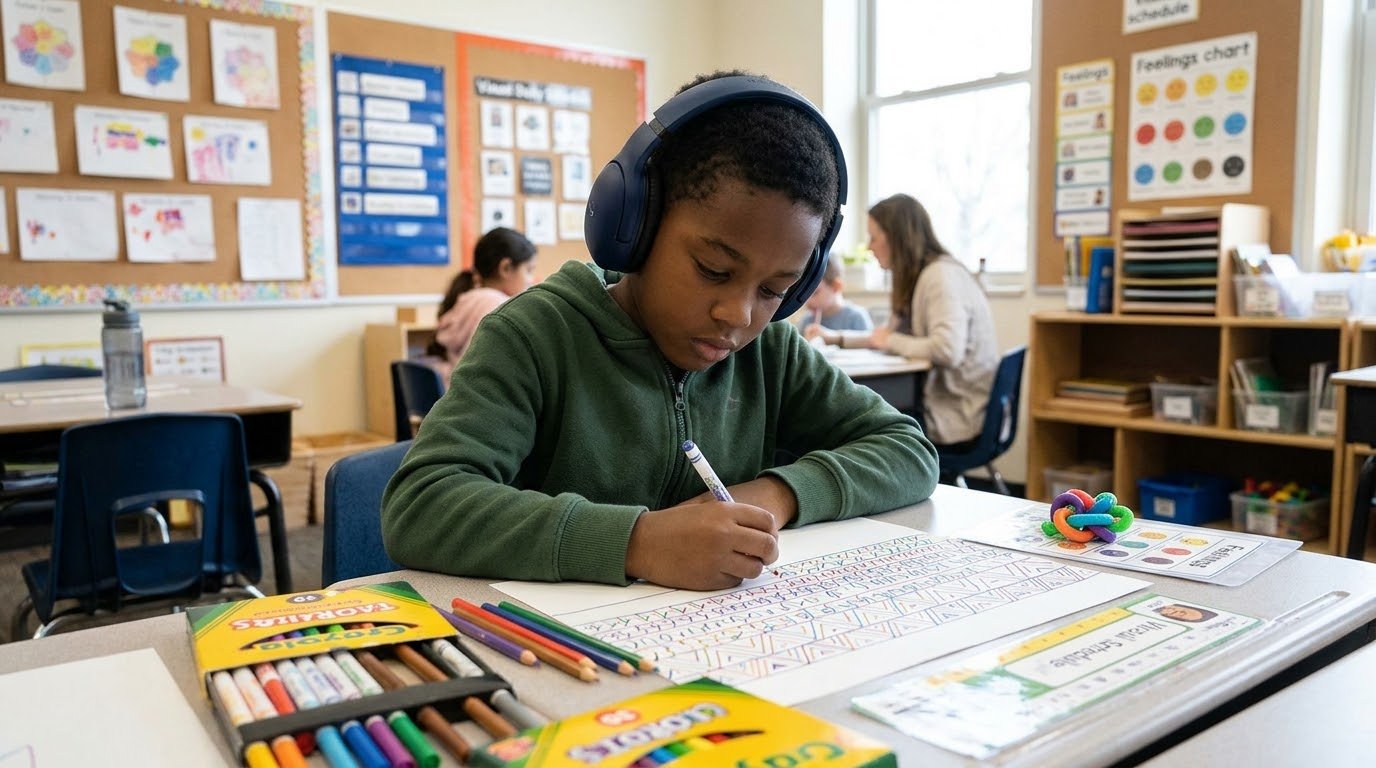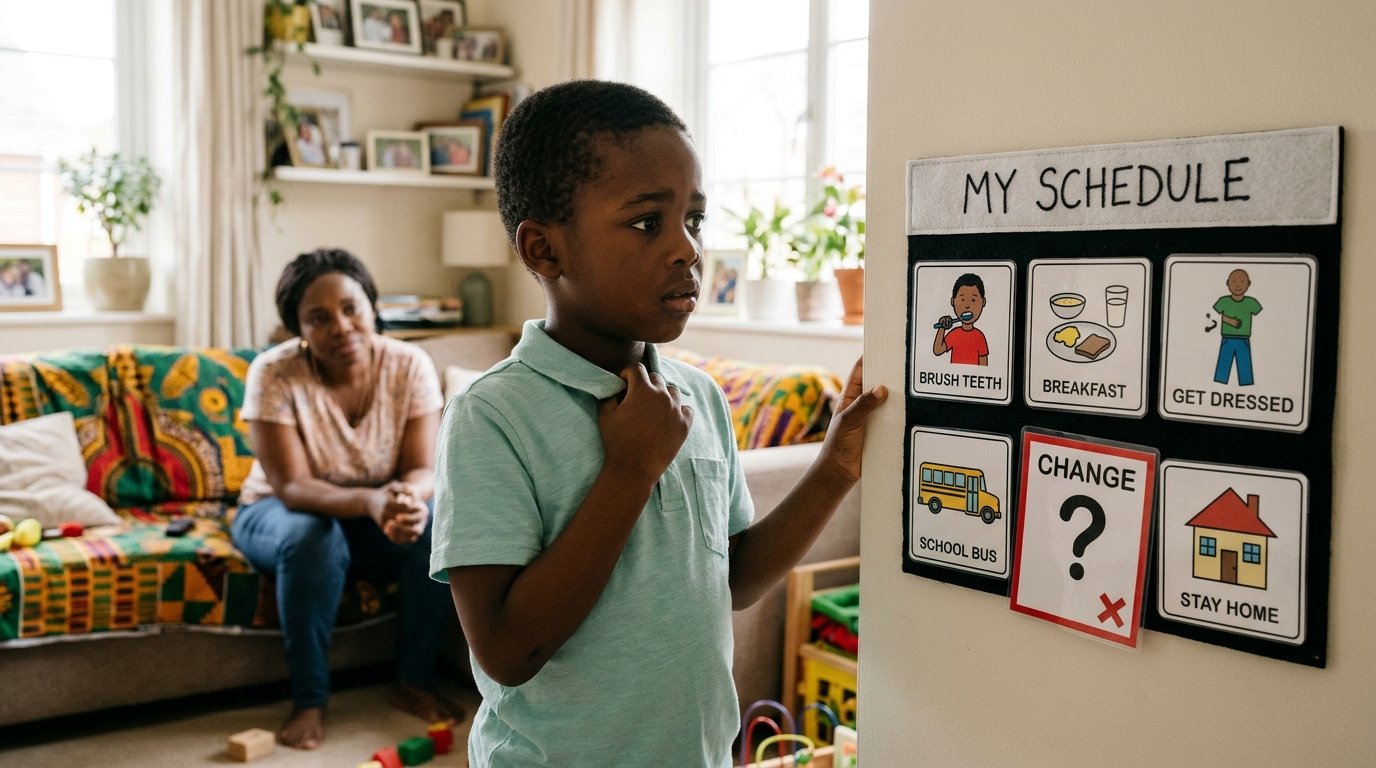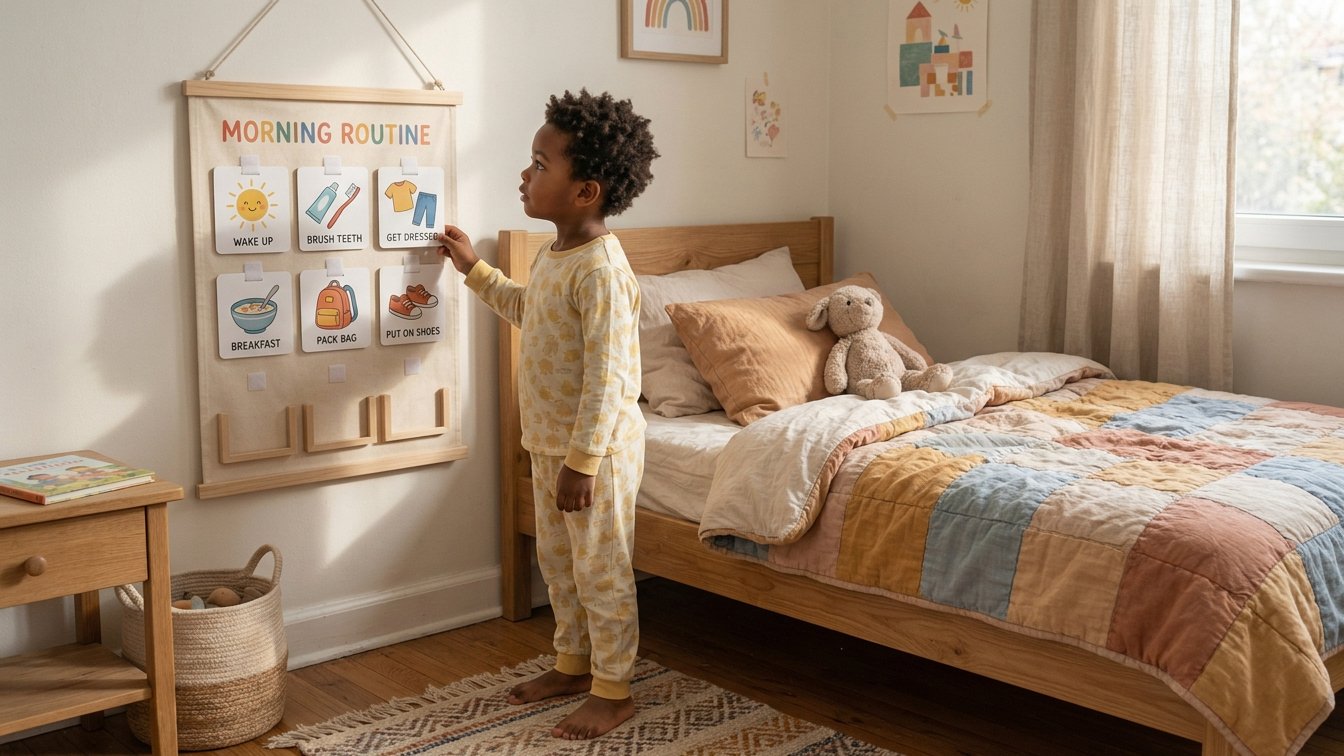
It's 7 a.m., and your child refuses to leave bed. Breakfast remains untouched, getting dressed triggers tears, and the school bus arrives in 20 minutes. For many families, these stressful moments make an autism morning routine difficult to manage. According to the National Autistic Society, predictable routines and visual supports can help autistic people manage daily activities and reduce uncertainty.
However, sensory discomfort from clothing, unexpected schedule changes, sleep difficulties, and pressure to hurry can turn simple morning tasks into overwhelming experiences. Meanwhile, parents struggle to balance school schedules, household responsibilities, and their child's need for extra processing time.
At Africa Autism Alliance, we believe calmer mornings begin with understanding your child's needs. This guide shares practical steps for building a predictable morning routine, managing sensory challenges, reducing stress, and helping your child start each day with greater confidence.
Talk to a health specialistWhy Morning Routines Matter for Autistic Children
A predictable morning helps autistic children understand what comes next and prepare for daily activities without unnecessary pressure. For children who find sudden changes difficult, familiar routines can reduce uncertainty and support emotional comfort.
A well-planned autism morning routine can help your child:
- Feel more secure: Familiar activities provide a sense of predictability.
- Manage transitions: Clear steps make moving from one activity to another easier.
- Build confidence: Repeating manageable tasks helps children practise everyday skills.
- Improve communication: Visual schedules and simple instructions help children understand expectations.
- Reduce morning stress: A flexible routine gives families more time to respond to unexpected difficulties.
The National Autistic Society recommends visual supports and structured approaches to help autistic people organise activities and manage daily responsibilities.
However, routines should support your child's wellbeing rather than force strict compliance. Allow flexibility when your child feels tired, overwhelmed, or uncomfortable.

Common Morning Challenges for Children with Autism
Morning difficulties often involve more than reluctance to wake up or prepare for school. Sleep patterns, sensory experiences, communication differences, and unexpected changes can influence how your child responds to everyday tasks.
For example, a child who struggles with loud sounds may find a noisy household overwhelming before leaving for school.
The table below highlights common challenges and their possible causes.
|
Morning challenge |
What might contribute to it |
|
Difficulty waking up |
Poor sleep, fatigue, or changes in sleeping patterns |
|
Refusing certain clothes |
Uncomfortable seams, tight collars, or irritating fabrics |
|
Avoiding breakfast |
Food textures, strong smells, or limited appetite |
|
Resisting toothbrushing |
Sensitivity to toothpaste flavours or brushing sensations |
|
Difficulty leaving home |
Anxiety about school, transport, or unexpected changes |
|
Becoming distressed when rushed |
Limited processing time or overwhelming demands |
The National Institute for Health and Care Excellence (NICE) recommends considering sensory sensitivities, communication needs, physical health, and environmental factors when understanding distress in autistic children.
Rather than assuming your child deliberately refuses to cooperate, observe what happens before each difficult moment. Understanding the underlying concern helps you choose a more supportive response.

How to Create an Autism Morning Routine: Step-by-Step Guide
Creating a practical morning routine starts with understanding your child's abilities, preferences, and daily responsibilities. You do not need a complicated schedule. Instead, organise essential activities into manageable steps that your child can recognise and follow.
#1. Prepare Clothes, School Items, and Breakfast the Night Before
Morning preparation becomes easier when you complete some tasks before bedtime.
For example, imagine searching for missing school shoes while your child struggles to choose comfortable clothes. Preparing these items earlier removes unnecessary decisions during an already busy morning.
Try these simple preparations:
- Let your child choose comfortable clothes for the following day.
- Pack schoolbooks, lunchboxes, and other essential items.
- Discuss breakfast choices and prepare ingredients when possible.
- Place shoes, bags, and personal belongings in familiar locations.
Involving your child in suitable preparations can also encourage participation and a sense of control.
#2. Create a Visual Morning Schedule
Some autistic children understand daily instructions more easily through pictures, symbols, or written reminders.
A visual schedule helps your child recognise each activity without relying entirely on repeated verbal instructions.
For example, your schedule might show:
Example visual morning schedule
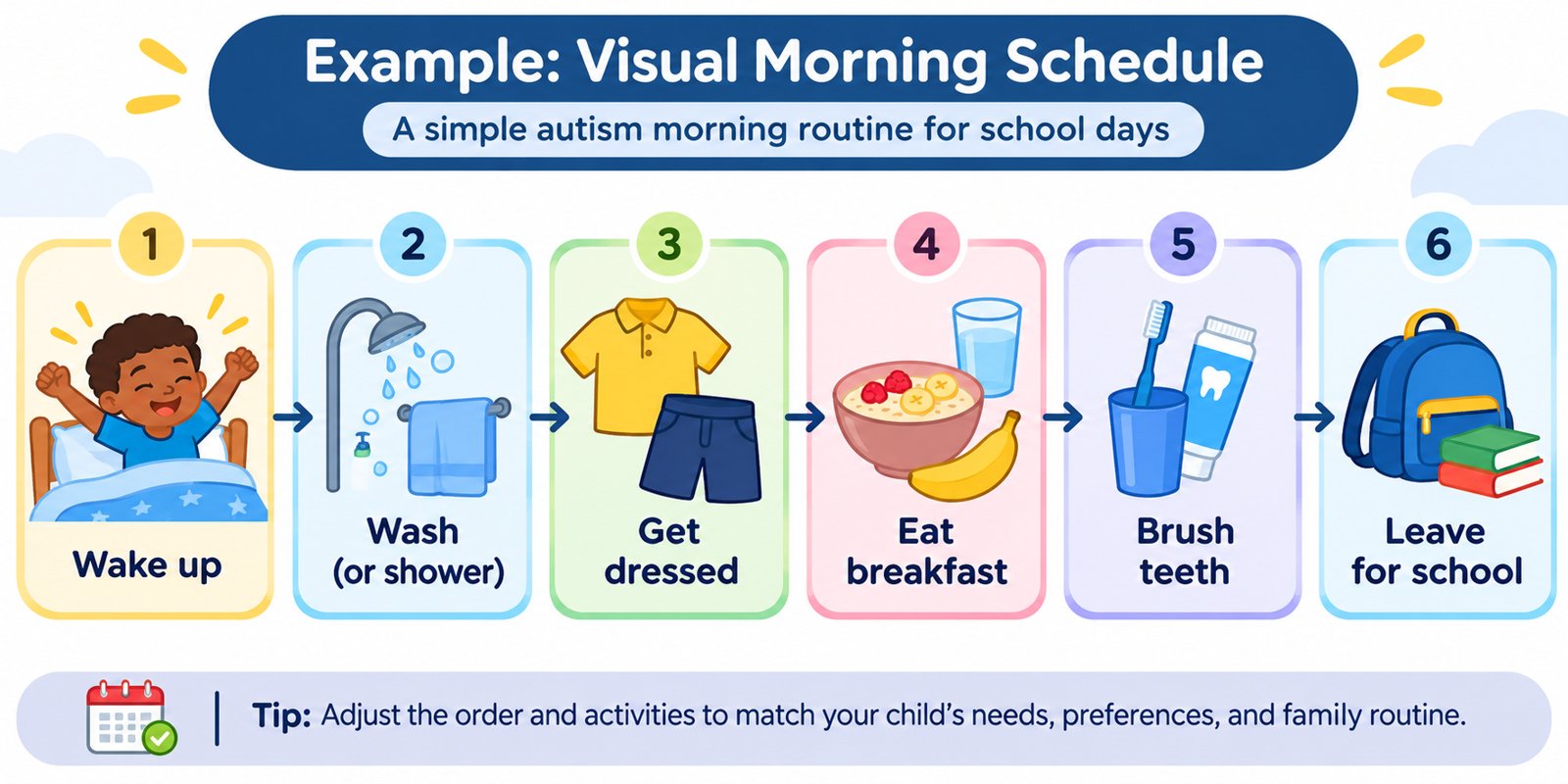
Allow your child to point at or mark each completed activity. You can also use real photographs if your child understands them more easily than symbols.
#3. Allow Extra Time for Each Morning Activity
Rushing can increase distress, particularly when your child needs additional time to process instructions or adjust between activities.
Instead of expecting every task to take five minutes, observe how long your child comfortably needs.
For example, if dressing usually takes 15 minutes, include that time in your schedule rather than repeatedly urging your child to hurry.
Also, consider a short break between demanding activities. A few quiet minutes may help your child prepare for the next task.
#4. Use Gentle Reminders and Positive Encouragement
Clear communication can make morning activities easier to understand.
Use short instructions, such as "Put on your shoes", rather than giving several directions at once.
You can also:
- Offer simple choices when possible.
- Give advance notice before changing activities.
- Recognise effort without demanding perfection.
- Use a calm voice during difficult moments.
- Avoid punishment when sensory discomfort or distress prevents participation.
The goal involves building trust and confidence, not rewarding children only when they complete every task exactly as planned.
Example of a Simple Autism Morning Routine for School Days
A morning timetable helps parents organise essential activities while giving children enough time to prepare for school. However, every child follows a different pace, so adjust the schedule according to your child's sleep needs, sensory preferences, and school starting time.
The following example shows how you can organise a 90-minute autism morning routine.
|
Time |
Morning activity |
How to support your child |
|
6:30–6:40 a.m. |
Wake up |
Open curtains gradually and allow a gentle start. |
|
6:40–6:55 a.m. |
Wash and use the toilet |
Provide familiar toiletries and respect sensory preferences. |
|
6:55–7:10 a.m. |
Get dressed |
Offer comfortable clothing and help when necessary. |
|
7:10–7:30 a.m. |
Eat breakfast |
Serve familiar foods in a comfortable eating space. |
|
7:30–7:40 a.m. |
Brush teeth and prepare |
Use preferred toothpaste and simple reminders. |
|
7:40–7:50 a.m. |
Quiet activity or break |
Allow reading, drawing, or another calming activity. |
|
7:50–8:00 a.m. |
Prepare to leave |
Check school items and explain the journey ahead. |
Note: This timetable provides an example, not a required schedule. Adjust the timing, activities, and order to suit your child's needs.
For example, some children prefer brushing their teeth before breakfast, while others need additional time to wake up. You can also include a favourite activity between demanding tasks to make the morning more manageable.
The CDC's guidance on developmental monitoring encourages parents to observe children's individual development and discuss concerns with healthcare professionals.

How to Manage Sensory Challenges During Morning Routines
Everyday morning activities can involve sounds, smells, textures, and physical sensations that cause discomfort for some autistic children. A running generator, scratchy school uniform, or strong toothpaste flavour may make an otherwise familiar routine difficult.
Understanding your child's sensory preferences helps you make practical adjustments without forcing them to tolerate unnecessary discomfort.
Managing Clothing, Bathing, and Toothbrushing Sensitivities
Personal care activities can create sensory challenges, particularly when children experience discomfort from touch, temperature, or unfamiliar textures.
Consider these adjustments:
- Clothing: Choose soft fabrics, remove irritating labels, and offer seamless socks when possible.
- Bathing: Check water temperature, use gentle washing materials, and explain each step before starting.
- Toothbrushing: Explore soft-bristled toothbrushes and suitable mild-flavoured toothpaste.
- Hair care: Allow breaks during brushing or styling and avoid pulling tightly on sensitive areas.
- Personal hygiene: Introduce unfamiliar products gradually and respect your child's reactions.
For example, if your child dislikes water touching their face, offer a soft washcloth and allow them to participate in washing at their own pace.
The NICE autism guideline for children and young people recognises sensory sensitivities as an important consideration when planning appropriate support.
If toothbrushing or bathing causes persistent pain or distress, consult an appropriate healthcare professional to identify possible physical or sensory concerns.

Creating a Calm Breakfast and Dressing Environment
A busy household can expose children to several sensory demands at once. Television sounds, cooking smells, conversations, and bright lighting may make breakfast or dressing uncomfortable.
You can create a calmer environment through simple changes:
- Reduce background noise: Lower television volume and limit unnecessary distractions.
- Adjust lighting: Use comfortable lighting rather than harsh overhead lights when possible.
- Respect food preferences: Offer familiar, nutritious options without forcing uncomfortable textures.
- Create a dressing space: Choose a quiet area where your child can change clothes comfortably.
- Provide sensory breaks: Allow short periods of quiet when your child shows signs of discomfort.
For example, if your child struggles with strong breakfast smells, prepare food earlier or allow them to eat away from the cooking area.
Remember that sensory needs differ. Some children prefer quiet surroundings, while others enjoy familiar music or movement during morning activities.
The most effective morning environment supports your child's comfort, safety, and participation rather than following one strict approach.

How to Help Your Autistic Child Become More Independent in the Morning
Independence begins with small opportunities to make choices and complete everyday tasks. Rather than expecting your child to manage everything alone, encourage them to practise activities that match their abilities and comfort level.
You can gradually build independence into your child's autism morning routine through these approaches:
- Start with one manageable task: Encourage your child to put on socks, pack a lunchbox, or collect their schoolbag before introducing additional responsibilities.
- Break tasks into smaller actions: Teach dressing through simple steps, such as picking up a shirt, putting arms through the sleeves, and adjusting the clothing.
- Offer meaningful choices: Let your child select between two suitable outfits or breakfast options.
- Reduce assistance gradually: Provide help when necessary, then allow your child to complete familiar steps independently.
- Respect their pace: Recognise progress without comparing their abilities with those of other children.
Remember, independence does not mean completing every task without assistance. Your child can develop confidence while continuing to receive appropriate support.

What to Do When Your Child Struggles with Morning Transitions
Moving from a favourite activity to an unfamiliar or demanding task can cause distress for some autistic children. For example, your child may enjoy breakfast but struggle when you announce that everyone must leave immediately.
When transitions become difficult, focus on understanding the cause rather than forcing your child to move faster.
Try these practical strategies:
- Identify the difficult transition: Notice whether distress occurs before dressing, leaving home, or entering school.
- Give advance notice: Explain upcoming changes using familiar words, pictures, or an appropriate countdown.
- Offer limited choices: Let your child choose between two acceptable ways to complete the next activity.
- Respond calmly to distress: Reduce demands, offer reassurance, and allow recovery time when safe.
- Review recurring difficulties: Speak with teachers or healthcare professionals when transitions repeatedly cause significant distress.
For example, if your child regularly becomes upset before school, explore possible concerns such as bullying, separation anxiety, sensory discomfort, or classroom difficulties.
A successful transition does not always happen quickly. Sometimes, giving your child additional time prevents greater difficulties later.

How Africa Autism Alliance Supports Parents and Caregivers
Supporting an autistic child requires understanding, patience, and access to trustworthy information. At Africa Autism Alliance, we help families strengthen their knowledge of autism and create more supportive everyday environments.
Through our educational resources and free autism toolkits, parents can explore practical guidance on communication, sensory needs, and inclusive learning.
Our advocacy also encourages families, schools, and communities across Africa to recognise and respect autistic children's individual needs.
Talk to us